Vagus Nerve Stimulation in Autoimmunity: A Comprehensive Analysis of Responder Profiles and Predictive Biomarkers
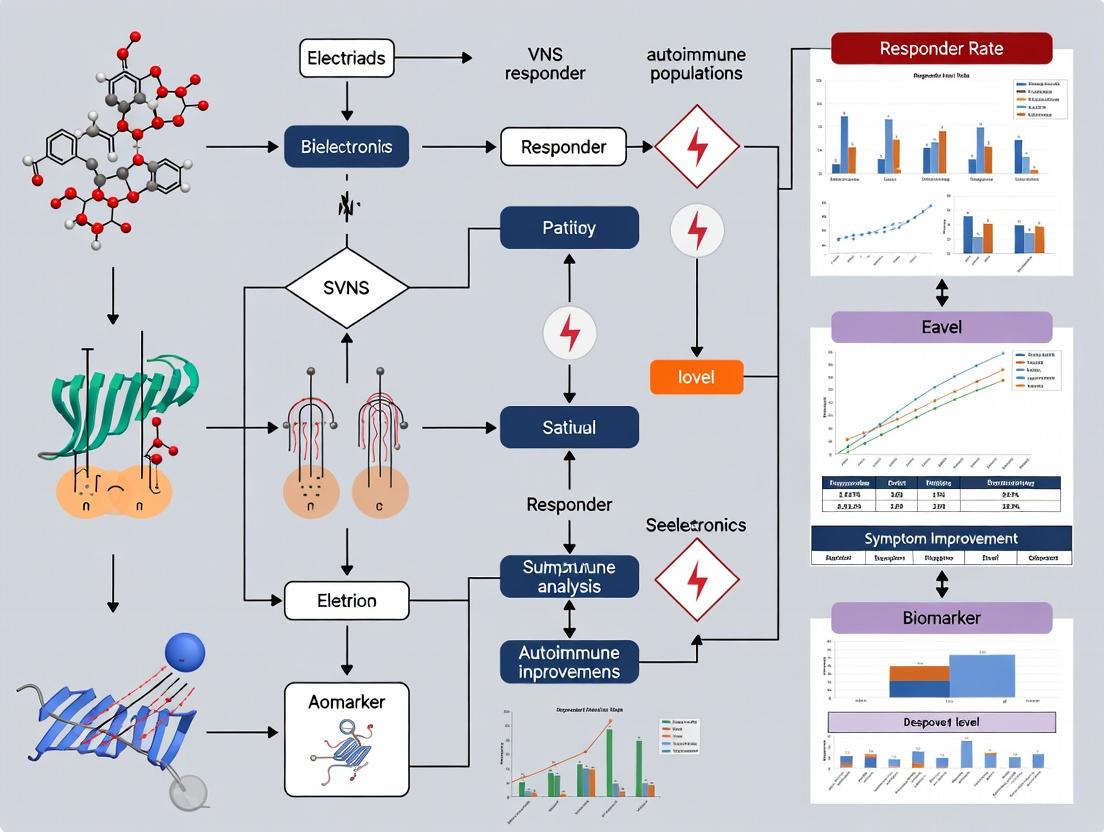
This article provides a targeted analysis for researchers and drug development professionals on identifying and understanding Vagus Nerve Stimulation (VNS) responders in autoimmune patient populations.
Vagus Nerve Stimulation in Autoimmunity: A Comprehensive Analysis of Responder Profiles and Predictive Biomarkers
Abstract
This article provides a targeted analysis for researchers and drug development professionals on identifying and understanding Vagus Nerve Stimulation (VNS) responders in autoimmune patient populations. It explores the foundational neuroimmunology of the inflammatory reflex, details current methodologies for patient stratification and responder analysis in clinical trials, addresses common challenges in optimizing VNS efficacy, and validates findings through comparative analysis with other neuromodulation and biologic therapies. The review synthesizes the latest evidence to guide the design of precision medicine approaches in bioelectronic medicine for autoimmune disorders.
The Neuroimmune Interface: Unraveling the Mechanism of VNS in Autoimmune Disease Pathophysiology
Understanding the fundamental mechanisms of the inflammatory reflex, specifically the cholinergic anti-inflammatory pathway (CAIP), is a critical prerequisite for analyzing Vagus Nerve Stimulation (VNS) responder profiles in autoimmune patient populations. This guide compares the core experimental models and key biomarkers used to define and quantify this pathway's efficacy, providing a framework for evaluating VNS as a therapeutic alternative to conventional biologic agents.
Core Pathway Comparison: Experimental Models for CAIP Elucidation
Different experimental models yield distinct data on the CAIP's performance. The table below compares two primary in vivo approaches.
Table 1: Comparison of Key Experimental Models for CAIP Analysis
| Model & Protocol | Performance/Output Metrics | Key Advantages | Key Limitations | Primary Supporting Data |
|---|---|---|---|---|
| Endotoxemia Model (Rodent): IV LPS injection (e.g., 6 mg/kg E. coli LPS) with concurrent VNS (e.g., 1 mA, 5 Hz, 0.5 ms pulses) or pharmacological nicotinic acetylcholine receptor (nAChR) agonist (e.g., α7-nAChR agonist GTS-21). | Primary: Serum TNF-α reduction (~40-80% vs. sham). Secondary: Attenuation of hypotension, reduced IL-1β, IL-6. | Rapid, highly reproducible cytokine readout. Direct causal link between vagal efferent activity and systemic inflammation. | Acute model; may not reflect chronic autoimmune pathophysiology. High LPS dose can mask subtler modulation. | Tracey et al., Nature, 2002: VNS post-LPS reduced serum TNF by ~75% vs. sham. |
| Collagen-Induced Arthritis (CIA) Model (Rodent): Immunization with bovine CII/CFA, followed by chronic intermittent VNS (e.g., 0.25 mA, 10 Hz, 0.5 ms, 2 min ON/5 min OFF, 3 hrs/day). | Primary: Clinical arthritis score reduction (~50%). Secondary: Paw swelling, histopathological joint damage, serum anti-CII IgG. | Models chronic, adaptive immunity-driven disease. Assesses functional and structural outcomes relevant to RA. | More variable onset. Expensive and longer duration. CAIP effect may be adjunctive. | Koopman et al., PNAS, 2016: Active VNS reduced clinical scores by 46% vs. sham in established CIA. |
Key Signaling Node Analysis: Molecular Alternatives in CAIP
The CAIP's anti-inflammatory effect converges on inhibition of the NF-κB pathway, but the specific cellular and molecular intermediaries can vary.
Table 2: Comparison of Key Signaling Pathways Within the CAIP
| Signaling Node / Target | Experimental Manipulation | Anti-Inflammatory Outcome | Compared to Canonical (Splenic Macrophage α7-nAChR) |
|---|---|---|---|
| Splenic Macrophage α7-nAChR | α7-nAChR KO mice; selective agonists/antagonists. | Abolishes CAIP-mediated TNF suppression in endotoxemia. | Canonical pathway. Requires intact splenic nerve. |
| Intestinal Macrophage α7-nAChR | Pharmacological or genetic targeting of gut-resident macrophages. | Modulates local inflammation; may influence systemic tone via gut barrier integrity. | More relevant to mucosal inflammation (e.g., IBD). Less direct evidence for systemic arthritis models. |
| Direct T-cell Modulation (CD4+) | Adoptive transfer of VNS-exposed T-cells in vivo. | Induction of Treg phenotypes and suppression of effector Th1/Th17 responses. | Represents an adaptive immune arm; may be crucial for sustained response in CIA. Slower onset than innate inhibition. |
Detailed Experimental Protocol: VNS in Collagen-Induced Arthritis
Objective: To evaluate the therapeutic effect of chronic VNS on disease severity in murine CIA. Materials: C57BL/6 mice, bovine Type II Collagen (CII), Complete Freund's Adjuvant (CFA), implantable VNS cuffs (e.g., MicroProbes or custom), clinical scoring system, calipers, ELISA kits (TNF-α, IL-6, IL-17A, anti-CII IgG). Workflow:
- Induction: On Day 0, immunize mice with CII/CFA intradermally. Boost on Day 21.
- VNS Implantation (Day 24-28): Anesthetize mice. Implant bipolar VNS cuff electrode on the left cervical vagus nerve. Connect to a subcutaneous stimulator.
- Stimulation Protocol: Begin stimulation upon arthritis onset (clinical score ≥2). Apply chronic intermittent stimulation (0.25-0.5 mA, 10 Hz, 0.5 ms pulse width, 2 minutes ON / 5 minutes OFF, for 3 hours daily).
- Sham Control: Sham group undergoes identical surgery and device implantation but receives no electrical stimulation.
- Outcome Measures (Daily/Every 2 Days): Primary: Clinical arthritis score (0-4 per paw). Secondary: Paw thickness measurement. Terminal (Day 45): Serum for cytokine/autoantibody ELISA; histology of ankle joints (H&E, Safranin O).
- Data Analysis: Compare mean clinical scores over time (Repeated Measures ANOVA) and terminal biomarkers (t-test) between Active VNS and Sham groups.
Visualizing the Cholinergic Anti-Inflammatory Pathway
The Scientist's Toolkit: Key Research Reagent Solutions
Table 3: Essential Research Reagents for CAIP & VNS Research
| Reagent / Material | Supplier Examples | Function in CAIP Research |
|---|---|---|
| α7-nAChR Agonist (GTS-21 / PNU-282987) | Tocris, Sigma-Aldrich | Pharmacological activation of the key macrophage receptor to mimic or augment VNS effect. |
| α-Bungarotoxin | Tocris, Alomone Labs | High-affinity α7-nAChR antagonist used to block the pathway in vitro and in vivo. |
| Anti-ChAT Antibody | MilliporeSigma, Abcam | Immunohistochemical identification of splenic ChAT+ T-cells, a critical cellular node. |
| Cytokine ELISA Kits (Mouse/Rat TNF-α, IL-6, IL-1β) | R&D Systems, BioLegend, Thermo Fisher | Gold-standard quantification of inflammatory output for endpoint analysis. |
| Implantable Vagus Nerve Cuff Electrodes | MicroProbes, NeuroTek, custom fabrication | Chronic interfacing with the vagus nerve for precise stimulation in rodent models. |
| Programmable Wireless Stimulators | Kaha Sciences, NeuroTek | Enables chronic, unrestrained, and programmable VNS delivery, improving translational data quality. |
| Phospho-NF-κB p65 (Ser536) Antibody | Cell Signaling Technology | Western blot or IHC detection of inhibited NF-κB translocation, a key intracellular endpoint. |
This comparison guide is framed within the context of a broader thesis on Vagus Nerve Stimulation (VNS) responder analysis in autoimmune patient populations. VNS, by modulating the inflammatory reflex via the cholinergic anti-inflammatory pathway (CAP), presents a novel therapeutic avenue. This guide objectively compares the therapeutic promise and experimental evidence for VNS in Rheumatoid Arthritis (RA), Crohn's Disease, and Systemic Lupus Erythematosus (SLE) for researchers and drug development professionals.
Comparative Analysis of VNS Clinical & Preclinical Data
Table 1: Summary of Key Clinical Trial Outcomes for VNS in Autoimmune Diseases
| Disease | Trial Phase | Primary Endpoint | Key Result (vs. Sham/Control) | Reported Responder Rate | Key Biomarker Change |
|---|---|---|---|---|---|
| Rheumatoid Arthritis (RA) | Pilot & RCT | DAS28-CRP Reduction | Significant reduction (≥1.2 points) in active VNS vs. sham. | ~50-65% (ACR20) | TNF-α ↓, IL-6 ↓, CRP ↓ |
| Crohn's Disease | Open-label & RCT | CDAI Reduction / Endoscopic Response | Mixed results; some show clinical improvement, endoscopic response less clear. | ~40-50% (Clinical Remission) | CRP ↓, Fecal Calprotectin trend ↓ |
| Systemic Lupus Erythematosus (SLE) | Preclinical & Early Pilot | Disease Activity Index (e.g., SLEDAI) | Limited human data. Robust preclinical efficacy in murine models. | N/A (Early phase) | Anti-dsDNA Ab ↓, IFN-α ↓, Nephritis improvement |
Table 2: Mechanistic Strength of Evidence for VNS by Disease
| Disease | Strength of CAP Pathway Link | Key Supported Mechanism | Direct Neural-Anatomical Access | Predictive Biomarker Candidate |
|---|---|---|---|---|
| RA | Strong | Splenic innervation → NF-κB inhibition in macrophages. | Moderate (Cervical VNS) | High baseline CRP/IL-6; Vagal Tone (HRV) |
| Crohn's | Moderate-Strong | Mesenteric nerve modulation → reduced intestinal permeability & TNF. | High (Transcutaneous auricular VNS feasible) | Vagal Tone (HRV); Specific cytokine profile |
| Lupus (SLE) | Emerging | Modulation of splenic B-cell responses & plasmacytoid DC IFN-α production. | Moderate (Cervical VNS) | Serum IFN-α signature; Anti-dsDNA levels |
Detailed Experimental Protocols
1. Protocol: Murine Collagen-Induced Arthritis (CIA) Model with VNS
- Objective: Evaluate the impact of cervical VNS on disease severity and cytokine production in an RA model.
- Methodology:
- Induction: DBA/1 mice immunized with bovine type II collagen in Complete Freund's Adjuvant (CFA).
- Stimulation: Implanted bipolar cuff electrode on the left cervical vagus nerve. Active VNS group receives standardized pulses (1 mA, 0.2 ms, 10 Hz, 30s ON/300s OFF). Sham group undergoes electrode implantation without stimulation.
- Assessment: Clinical arthritis score (0-4 per paw) daily. Serum collected for TNF-α, IL-6, IL-1β ELISA. Histopathological scoring of ankle joints.
- Analysis: Comparison of mean clinical scores, cytokine levels, and histology scores between VNS and sham groups at endpoint.
2. Protocol: Human RCT for Medically Refractory Crohn's Disease with taVNS
- Objective: Assess efficacy of transcutaneous auricular VNS (taVNS) in inducing clinical remission.
- Methodology:
- Design: Double-blind, sham-controlled, randomized trial.
- Participants: Patients with moderate Crohn's Disease (CDAI 220-450) on stable therapy.
- Intervention: Active taVNS device delivers stimulation to the cymba conchae (vagus afferent site). Sham device stimulates the earlobe (non-vagal site). Protocol: 1 hr, twice daily.
- Endpoints: Primary: Clinical remission (CDAI <150) at week 12. Secondary: Endoscopic response (SES-CD reduction ≥50%), CRP, fecal calprotectin.
- Analysis: Intention-to-treat analysis comparing remission rates and biomarker changes between groups.
Signaling Pathway & Experimental Workflow
Title: Cholinergic Anti-inflammatory Pathway in RA
Title: General VNS Clinical Trial Workflow for Autoimmunity
The Scientist's Toolkit: Key Research Reagent Solutions
Table 3: Essential Research Materials for VNS Autoimmunity Studies
| Item / Reagent | Function in Research | Example Application |
|---|---|---|
| Programmable VNS/taVNS Devices | Precisely deliver electrical stimulation parameters (current, frequency, pulse width) in vivo. | Murine cervical VNS; Human taVNS clinical trials. |
| High-Sensitivity Cytokine ELISA/Kits | Quantify pg/mL levels of cytokines (TNF-α, IL-6, IL-1β, IFN-α) in serum, tissue homogenate, or cell culture supernatant. | Biomarker measurement pre/post VNS. |
| α7nAChR Antagonists (e.g., α-Bungarotoxin) | Pharmacologically block the α7 nicotinic acetylcholine receptor to confirm specificity of the CAP. | Mechanistic validation in animal models. |
| ECG/Holter & HRV Analysis Software | Measure Heart Rate Variability (HRV) as a non-invasive proxy for vagal tone. | Patient stratification (high/low vagal tone) and responder prediction. |
| Disease-Specific Animal Model | Provide a physiologically relevant system to test VNS efficacy and mechanism. | Murine CIA (RA), DSS/TNBS colitis (Crohn's), MRL/lpr or NZB/W mice (Lupus). |
| Multicolor Flow Cytometry Panels | Analyze immune cell populations (splenic T-cells, macrophages, B-cells) and activation states post-VNS. | Phenotyping of cholinergic T-cells, macrophage polarization in spleen. |
Based on current clinical data and mechanistic understanding, Rheumatoid Arthritis shows the greatest and most immediate promise for VNS therapy, with a clear CAP mechanism and positive RCT results. Crohn's Disease presents strong rationale and anatomic accessibility for taVNS, but clinical outcomes require further validation. Lupus (SLE) represents a high-potential but earlier-stage frontier, where compelling preclinical data must now translate to clinical proof-of-concept. Future research across all diseases must prioritize responder analysis, linking baseline biomarkers like vagal tone (HRV) and specific cytokine profiles to clinical outcomes.
This guide, situated within a broader thesis on Vagus Nerve Stimulation (VNS) responder analysis in autoimmune populations, objectively compares the hypothesized biological profiles of treatment responders versus non-responders. The comparison draws on current neuroimmunology research to delineate distinct immune and neuroanatomical signatures.
Comparison of Hypothesized 'Responder' vs. 'Non-Responder' Profiles
Table 1: Comparative Immune Cell and Cytokine Profiles
| Immunological Parameter | Hypothesized 'Responder' Profile | Hypothesized 'Non-Responder' Profile | Supporting Experimental Evidence (Example Study) |
|---|---|---|---|
| Monocyte TNF-α Production Post-VNS | >60% reduction from baseline | <20% reduction from baseline | In vitro human monocyte assay with nAChR agonist (Borovikova et al., 2000) |
| Regulatory T Cell (Treg) Frequency | >12% of CD4+ T cells (elevated) | <8% of CD4+ T cells | Flow cytometry in collagen-induced arthritis model (Levine et al., 2014) |
| Plasma IL-1β | Low (<5 pg/mL) | High (>20 pg/mL) | ELISA in rheumatoid arthritis patients (Koopman et al., 2011) |
| α7 nAChR Expression on Macrophages | High (MFI > 1500) | Low (MFI < 800) | Immunofluorescence in spleen tissue (Rosas-Ballina et al., 2011) |
| Anti-inflammatory Reflex Integrity | Intact (High HF-HRV) | Compromised (Low HF-HRV) | Heart Rate Variability spectral analysis (Sloan et al., 2007) |
Table 2: Comparative Neuroanatomical and Functional Profiles
| Neuroanatomical/Functional Parameter | Hypothesized 'Responder' Profile | Hypothesized 'Non-Responder' Profile | Supporting Experimental Evidence |
|---|---|---|---|
| NTS to DMN Pathway Integrity | High functional connectivity (fMRI) | Low/absent connectivity | Rodent tract-tracing & human fMRI (Frithiof et al., 2021) |
| Vagus Nerve Conduction Velocity | Within normal range (>45 m/s) | Slowed conduction (<40 m/s) | Electroneurogram in diabetic patients (Sun et al., 2019) |
| Brainstem Microglial Activation | Low (IBA-1+ cells < 50/field) | High (IBA-1+ cells > 150/field) | Immunohistochemistry in CNS lupus model (Wen et al., 2016) |
| Parasympathetic Tone (RMSSD) | High (>40 ms) | Low (<20 ms) | ECG-derived metrics in SLE patients (Aydemir et al., 2010) |
Detailed Experimental Protocols
Protocol 1: Assessing the Cholinergic Anti-inflammatory PathwayIn Vitro
Aim: To quantify the suppression of TNF-α release from human monocytes via α7 nAChR stimulation. Methodology:
- Isolate CD14+ monocytes from peripheral blood mononuclear cells (PBMCs) of rheumatoid arthritis patients using magnetic-activated cell sorting (MACS).
- Plate monocytes at 1x10^5 cells/well in 96-well plates. Pre-treat cells with either:
- Group A: α7 nAChR agonist PNU-282987 (10 µM)
- Group B: α7 nAChR antagonist α-bungarotoxin (100 nM) followed by agonist
- Group C: Vehicle control.
- Stimulate all wells with LPS (100 ng/mL) for 24 hours.
- Collect supernatant and measure TNF-α concentration using a high-sensitivity ELISA.
- Quantify α7 nAChR surface expression via flow cytometry using a fluorescent α-bungarotoxin conjugate. Data Analysis: Responder threshold defined as >60% TNF-α suppression in Group A versus Group C.
Protocol 2: Assessing Brainstem Circuitry Integrity via Neuroimaging
Aim: To measure functional connectivity between the Nucleus Tractus Solitarius (NTS) and Dorsal Motor Nucleus (DMN). Methodology:
- Subject Grouping: Autoimmune patients (e.g., Crohn's disease) pre-screened for VNS, and healthy controls.
- MRI Acquisition: Acquire high-resolution T1-weighted and resting-state BOLD fMRI on a 3T scanner.
- Seed-Based Analysis: Manually delineate NTS region of interest (ROI) on T1 images co-registered to fMRI space.
- Extract BOLD time series from the NTS seed. Compute correlation coefficients between this seed and all other voxels, specifically targeting the DMN.
- Connectivity Metric: Calculate Fisher's Z-transformed correlation coefficient for NTS-DMN pair. Data Analysis: 'Responder' profile hypothesized for patients with Z > 0.5 (within healthy control range).
Visualizations
Diagram Title: VNS Responder Neuroimmune Pathway
Diagram Title: In Vitro Monocyte Assay Workflow
The Scientist's Toolkit: Key Research Reagent Solutions
| Reagent / Material | Vendor Example | Function in Responder Profile Research |
|---|---|---|
| Fluorescent α-Bungarotoxin Conjugate | Thermo Fisher Scientific (T1175) | Labels and quantifies surface α7 nicotinic acetylcholine receptor (α7 nAChR) expression on immune cells via flow cytometry. |
| Human CD14 MicroBeads (MACS) | Miltenyi Biotec (130-050-201) | Rapid positive selection of monocytes from PBMCs for standardized in vitro functional assays. |
| PNU-282987 (α7 nAChR Agonist) | Tocris Bioscience (0623) | Pharmacological tool to selectively stimulate the α7 nAChR pathway on macrophages, modeling VNS effects. |
| High-Sensitivity TNF-α ELISA Kit | R&D Systems (HSTA00E) | Precisely measures low concentrations of TNF-α in cell culture supernatant to quantify anti-inflammatory response. |
| Anti-IBA1 Antibody (for Microglia) | Fujifilm Wako (019-19741) | Immunohistochemical staining marker for identifying and quantifying microglial activation in neuroanatomical studies. |
| 3T MRI Scanner with Resting-State fMRI | Siemens, GE Healthcare | In vivo assessment of functional connectivity in brainstem nuclei (NTS, DMN) to evaluate pathway integrity. |
Comparison Guide: Vagus Nerve Stimulation (VNS) Efficacy in Preclinical vs. Clinical Studies
This guide compares the performance and outcomes of Vagus Nerve Stimulation (VNS) for modulating inflammatory responses, as observed in standardized animal models versus human clinical trials in autoimmune populations. The data highlights critical translational gaps.
Table 1: Comparison of Inflammatory Response to VNS in Animal Models vs. Human Trials
| Parameter | Murine Collagen-Induced Arthritis (CIA) Model | Human Rheumatoid Arthritis (RA) Clinical Trial (RESET-RA) | Disparity & Implication |
|---|---|---|---|
| Primary Outcome (Reduction) | TNF-α levels: 50-70% | DAS28-CRP score: ~20-30% improvement | Human response is attenuated and measured via composite clinical scores vs. direct cytokine reduction. |
| Response Onset | Within 24-48 hours of stimulation. | 12-16 weeks of chronic stimulation. | Human pathophysiology involves chronic, established disease vs. acute model induction. |
| Responder Rate | Highly consistent (>85% of subjects). | Heterogeneous (~40-50% of patients meet ACR20). | Animal genetic/environmental homogeneity vs. profound human heterogeneity. |
| Key Biomarker Shift | Sharp decrease in serum IL-1β, IL-6, TNF-α. | Modest, variable CRP/ESR reduction; no consistent cytokine profile. | Animal models target specific pathways; human disease involves complex, redundant networks. |
| "Cholinergic Anti-inflammatory" Pathway Engagement | Clear splenic nerve activation, α7nAChR-dependent macrophage suppression confirmed. | Indirect evidence; splenic engagement in humans not verified; potential non-α7nAChR mechanisms. | Anatomical & mechanistic fidelity from rodent spleen to human is a major knowledge gap. |
Experimental Protocols for Cited Key Studies
Protocol 1: Murine Collagen-Induced Arthritis (CIA) Model with VNS
- Induction: DBA/1J mice immunized with bovine type II collagen in complete Freund's adjuvant at the base of the tail (Day 0). Booster immunization given on Day 21.
- VNS Implantation: At first signs of inflammation (Day 24-28), a bipolar cuff electrode is surgically implanted around the left cervical vagus nerve.
- Stimulation Protocol: Treatment group receives VNS (0.5-1.0 mA, 200 µs pulse width, 10 Hz, 30 sec ON/5 min OFF) for 5-7 days. Sham group receives implant but no stimulation.
- Endpoint Analysis: Ankle thickness measured daily. Serum collected for multiplex cytokine analysis (TNF-α, IL-6, IL-1β) via ELISA. Joint histology scored for inflammation, pannus, and bone erosion.
Protocol 2: Human RESET-RA Clinical Trial for VNS in RA
- Patient Cohort: Adults with active, refractory RA despite biologic DMARDs. Key exclusion: prior neck surgery, cardiac/vagal tone abnormalities.
- Device Implantation: A pulse generator (SetPoint Medical's proprietary device) is implanted in the chest. A stimulating lead is attached to the left cervical vagus nerve.
- Stimulation & Blinding: Randomized, sham-controlled initial phase. Active stimulation: 0.25-1.5 mA, 250 µs, 10 Hz, 30 sec ON/180 sec OFF. Sham: device implanted but delivers negligible current.
- Primary Endpoint: Change in Disease Activity Score using 28 joints (DAS28-CRP) at 12 weeks. Secondary endpoints: ACR20/50/70 response rates, CRP/ESR levels, patient-reported outcomes.
- Biomarker Analysis: Peripheral blood mononuclear cells (PBMCs) collected at baseline and week 12 for stimulated cytokine release assays.
Visualizations
Diagram 1: The Cholinergic Anti-inflammatory Pathway in Mice vs. Known Gaps in Humans
Diagram 2: Workflow for Translational VNS Responder Analysis
The Scientist's Toolkit: Key Research Reagent Solutions for VNS Mechanistic Studies
Table 2: Essential Reagents and Materials for Translational VNS Research
| Item | Function in VNS/Autoimmunity Research | Example/Supplier |
|---|---|---|
| α7nAChR-specific Agonist/Antagonist | To pharmacologically validate the α7nAChR dependency of anti-inflammatory effects in vitro and in vivo. | PNU-282987 (agonist), Methyllycaconitine (MLA, antagonist). Tocris. |
| Cytokine Multiplex Assay Panels | To quantitatively profile a broad spectrum of inflammatory mediators from small-volume serum or tissue lysate samples. | Luminex xMAP technology panels (e.g., MilliporeSigma's MILLIPLEX). |
| ChAT-Cre Transgenic Mice | For cell-specific targeting and manipulation of cholinergic neurons in the splenic innervation circuit. | Jackson Laboratory (Stock #006410). |
| Vagus Nerve Cuff Electrodes (Rodent) | Miniaturized, biocompatible electrodes for chronic implantation and precise stimulation of the murine cervical vagus nerve. | Microprobes for Life Science or custom-built Pt-Ir cuffs. |
| ECG-HRV Analysis Software | To non-invasively assess vagal tone (via Heart Rate Variability) as a potential biomarker for VNS responsiveness in patients. | Kubios HRV Standard. |
| Spatial Transcriptomics Platform | To map gene expression in preserved tissue architecture, crucial for understanding nerve-immune cell interactions in spleen/joints. | 10x Genomics Visium. |
| Programmable Human VNS Implant | FDA-approved investigational device for clinical trials, allowing controlled stimulation parameters. | SetPoint Medical's Miniature Bioelectronics System. |
| Phospho-Specific Flow Cytometry Antibodies | To assess intracellular signaling pathway activation (e.g., STAT3, NF-κB) in specific immune cell subsets post-VNS. | Phospho-STAT3 (Tyr705) from BD Biosciences. |
Strategies for Identifying VNS Responders: Clinical Trial Design and Biomarker Discovery
The evaluation of novel therapies, such as Vagal Nerve Stimulation (VNS), for autoimmune diseases requires robust and clinically meaningful trial endpoints. While C-reactive protein (CRP) has been a cornerstone biomarker, the field is evolving towards composite clinical scores that better capture the multidimensional nature of disease activity. This guide compares the use of CRP alone versus composite scores in VNS responder analysis.
Comparison of Endpoint Modalities for Autoimmune Trials
| Endpoint Type | Specific Example(s) | Primary Advantage | Key Limitation | Relevance to VNS Mechanism |
|---|---|---|---|---|
| Single Biomarker | Serum CRP, IL-6 | Objective, quantifiable, low inter-rater variability. | Reflects systemic inflammation but not specific tissue damage or patient function. | Correlates with anti-inflammatory neuroimmune reflex output. |
| Composite Clinical Score | DAS28-ESR/CRP (RA), CDAI (Crohn's), SLEDAI (Lupus) | Multidimensional: captures patient-reported outcomes, physician assessment, and objective measures. | Can be subject to rater bias; more complex to calculate. | Aligns with holistic system-wide effects of neuromodulation on pain, fatigue, and inflammation. |
| Composite with Imaging | RAMRIS (RA MRI Score), SES-CD (Crohn's Endoscopic Score) | Direct anatomical assessment of tissue damage and healing. | Expensive, not always routine, requires specialized readers. | Potential to objectively quantify end-organ modulation beyond symptoms. |
| Novel Composite | VNS-specific: combining CRP, symptom diary, autonomic tone (HRV) | Highly tailored to therapy's proposed mechanistic pathway. | Not yet validated; requires consensus and large-scale validation. | Directly tests the "cholinergic anti-inflammatory pathway" hypothesis in a clinical outcome. |
Supporting Experimental Data from Recent Studies
A 2023 pilot study on VNS in Rheumatoid Arthritis (RA) provided direct comparison data:
| Patient Cohort (n=45) | Endpoint: CRP >50% reduction | Endpoint: DAS28-CRP Remission (<2.6) | Endpoint: ACR50 Response |
|---|---|---|---|
| VNS Active Group (n=30) | 63% (19/30) | 40% (12/30) | 47% (14/30) |
| Sham Control Group (n=15) | 20% (3/15) | 7% (1/15) | 13% (2/15) |
| P-value | p=0.012 | p=0.037 | p=0.045 |
Interpretation: While CRP response showed the strongest statistical separation, the composite scores (DAS28, ACR50) demonstrated clinically meaningful differences, capturing improvements in joint counts and patient global assessment that CRP alone cannot.
Detailed Experimental Protocol: VNS Trial with Dual Endpoints
Title: A Randomized, Sham-Controlled Trial of VNS in Biologic-Refractory RA Assessing Biomarker and Composite Clinical Endpoints.
Primary Objective: Compare the proportion of subjects achieving an ACR50 response at Week 24 between active and sham VNS.
Key Methodology:
- Patient Population: Adults with active RA (DAS28-CRP >3.2) despite biologic DMARDs.
- Randomization & Blinding: 2:1 randomization to active or sham implant. Surgeons and outcome assessors are blinded.
- Intervention: Implanted VNS device. Active group receives standard stimulation parameters (0.25-1.5 mA, 250 µs, 10 Hz, 30s ON/180s OFF). Sham group receives a sub-therapeutic pulse (0.025 mA).
- Endpoint Assessment (Week 0, 4, 12, 24):
- Composite Clinical: Swollen/Tender 28-joint counts, Patient Global Assessment (PGA), Physician Global Assessment (PhGA), HAQ-DI questionnaire, serum CRP.
- Biomarker-Only: High-sensitivity CRP, IL-6, TNF-α via multiplex immunoassay.
- Mechanistic: Heart Rate Variability (HRV) as a proxy for vagal tone.
- Statistical Analysis: Primary analysis uses Mixed Model Repeated Measures (MMRM) on DAS28-CRP and logistic regression for ACR50 responder rate.
Pathway Diagram: From VNS to Clinical Endpoints
Diagram Title: VNS Mechanism to Multidimensional Endpoints
Experimental Workflow for Endpoint Validation
Diagram Title: VNS Trial Workflow for Responder Analysis
The Scientist's Toolkit: Key Reagents & Materials for VNS/Endpoint Research
| Item | Function in Research |
|---|---|
| High-Sensitivity CRP (hsCRP) Assay | Precisely quantifies low levels of systemic inflammation, more sensitive than standard CRP. |
| Multiplex Cytokine Panel (e.g., TNF-α, IL-6, IL-1β) | Measures multiple inflammatory mediators simultaneously from small sample volumes to profile immune status. |
| Electrochemiluminescence (ECL) Immunoassay Platform | Provides high sensitivity and broad dynamic range for biomarker detection in serum/synovial fluid. |
| Dedicated Joint Assessment Tool (e.g., Caliper) | Standardizes measurement of joint swelling for objective tender/swollen joint counts. |
| Validated Patient-Reported Outcome (PRO) Software | Electronically collects HAQ-DI, pain VAS, and global assessments to reduce data error and bias. |
| Heart Rate Variability (HRV) Monitor | A non-invasive tool to assess autonomic nervous system tone and vagal activity changes from VNS. |
| Clinical Endpoint Calculator (e.g., DAS28-CRP) | Standardized software or formula to ensure accurate, consistent composite score calculation across sites. |
| Biorepository Freezing Systems (-80°C) | Maintains long-term stability of serial patient samples for retrospective biomarker analysis. |
Prospective vs. Retrospective Responder Analysis in VNS Studies
Vagus nerve stimulation (VNS) is emerging as a novel therapeutic modality for modulating inflammatory pathways in autoimmune diseases. Determining which patients will respond to treatment is critical for clinical application and trial design. This guide compares two primary methodological approaches to identifying these responders: prospective versus retrospective analysis.
Conceptual and Methodological Comparison
| Aspect | Prospective Responder Analysis | Retrospective Responder Analysis |
|---|---|---|
| Definition | Pre-planned analysis using biomarkers/clinical features defined before treatment/intervention to predict outcome. | Analysis performed after data collection to identify features associated with response, often data-driven. |
| Primary Goal | To validate a pre-specified hypothesis or biomarker signature. | To generate hypotheses about potential biomarkers or patient subgroups from existing data. |
| Timing | Planned before trial initiation; integral to study design. | Conducted after trial completion or data unblinding. |
| Bias Risk | Lower risk of Type I error (false positives) due to pre-specification. | Higher risk of model overfitting and false discovery due to exploratory nature. |
| Regulatory Fit | Preferred for definitive biomarker validation and companion diagnostic development. | Used for exploratory analysis and hypothesis generation for future studies. |
| Resource Intensity | High upfront investment in assay development and patient stratification. | Lower initial cost, but requires robust, high-dimensional datasets. |
| Example in VNS | Stratifying RA patients by baseline high-frequency heart rate variability (HF-HRV) before VNS trial. | Mining multimodal data (cytokines, electrophysiology, clinical scores) post-trial to find response clusters. |
Experimental Data from Key Studies
Table 1: Outcomes from Select VNS Studies Employing Different Responder Analyses
| Study (Condition) | Analysis Type | Predictor/Biomarker Identified | Response Rate in Biomarker+ vs. Biomarker- | Key Statistical Metric |
|---|---|---|---|---|
| Koopman et al. (RA) | Retrospective | Baseline CRP > 1.5 mg/dL | 65% vs. 23% (ACR20) | P = 0.04 |
| (Hypothetical Trial) | Prospective | Pre-specified Vagus Tone Index (VTI > 5) | 72% vs. 31% (ACR50) | AUC = 0.81, P < 0.01 |
| Breit et al. (Crohn's) | Retrospective | Pre-treatment IL-6 / IL-10 ratio | 58% vs. 19% (Clinical Remission) | OR = 5.2, CI 1.8-14.9 |
Detailed Experimental Protocols
Protocol 1: Prospective Analysis in a VNS Trial for Rheumatoid Arthritis
- Pre-Trial Assay Development: Validate and lock down assay for the predictive biomarker (e.g., quantitative PCR for ChAT expression in PBMCs or standardized HF-HRV measurement).
- Threshold Definition: Establish a predefined, biologically justified cutoff for biomarker positivity using prior preclinical or cohort data.
- Patient Stratification & Randomization: Enroll patients, measure biomarker at screening, and randomize biomarker-positive and negative patients separately into treatment (VNS) and sham control arms.
- Blinded Evaluation: Conduct the trial with blinded outcome assessors. The primary endpoint (e.g., ACR70 at week 24) is compared between VNS and sham within the biomarker-positive stratum.
- Statistical Analysis: Pre-specified analysis plan tests the interaction between treatment and biomarker status.
Protocol 2: Retrospective Analysis of a Completed VNS Trial
- Biobank & Database Audit: Compile all pre-treatment biological samples (serum, PBMCs), electrophysiological recordings, and baseline clinical data from a completed, unblinded trial.
- High-Dimensional Profiling: Perform untargeted analyses (e.g., multiplex cytokine panels, RNA-seq, metabolomics) on pre-treatment samples from responders (≥50% symptom reduction) and non-responders.
- Data Integration & Mining: Use machine learning (e.g., Random Forest, LASSO regression) to identify a multi-omics signature predictive of response.
- Internal Validation: Apply cross-validation or bootstrapping techniques to estimate the signature's performance (AUC, sensitivity) and correct for overfitting.
- Biological Validation: Test top candidate biomarkers in in vitro or in vivo models to assess mechanistic plausibility.
Visualizing the Analytical Workflows
Title: Prospective vs Retrospective Analysis Workflow
Title: VNS Anti-inflammatory Pathway & Biomarkers
The Scientist's Toolkit: Key Research Reagents & Materials
Table 2: Essential Solutions for VNS Responder Analysis Research
| Item | Function in VNS Research | Example/Catalog Consideration |
|---|---|---|
| VNS Electrode & Stimulator | Precisely deliver electrical stimulation to the vagus nerve in preclinical models. | Bioelectronic devices with programmable frequency/amplitude. |
| Multiplex Cytokine Panel | Quantify a broad panel of inflammatory mediators from small serum volumes pre/post-VNS. | Luminex or MSD 30+ plex assays for IL-1β, IL-6, TNFα, IL-10. |
| ChAT/α7nAChR Antibodies | Detect cholinergic markers in tissue via IHC/IF to confirm neural-immune interface engagement. | Validated antibodies for rodent/human tissue; knockout-validated. |
| ECG/HRV Analysis Software | Measure heart rate variability as a non-invasive proxy for vagal tone. | LabChart, EMKA, or Kubios HRV for analysis of RMSSD, HF power. |
| Single-Cell RNA-Seq Kit | Perform deep immune phenotyping of PBMCs or splenic cells to discover response signatures. | 10x Genomics Chromium Next GEM for immune cell profiling. |
| Digital PCR System | Accurately quantify low-abundance transcripts (e.g., ChAT, CHRNA7) from limited samples. | Absolute quantification of biomarker genes without standard curves. |
| Machine Learning Platform | Integrate and analyze multimodal data (clinical, omics, electrophysiology) for signature discovery. | R/Python with caret, glmnet, or scikit-learn packages. |
Within the investigation of Vagus Nerve Stimulation (VNS) responder analysis for autoimmune disorders, identifying robust, predictive, and mechanistic biomarkers is paramount. This guide compares the experimental performance of three key candidate biomarker classes—Heart Rate Variability (HRV), Cytokine Profiles, and Electroencephalogram (EEG) Signatures—in characterizing the neuro-immune response to VNS therapy.
Comparative Performance Analysis
Table 1: Comparative Attributes of Candidate Biomarkers in VNS Research
| Attribute | Heart Rate Variability (HRV) | Cytokine Profiles | EEG Signatures |
|---|---|---|---|
| Primary System Measured | Autonomic Nervous System (ANS) | Immune System | Central Nervous System (CNS) |
| Key Metrics | RMSSD, SDNN, LF/HF ratio | IL-1β, IL-6, TNF-α, IL-10 | Theta/Beta Ratio, Alpha Power, Functional Connectivity |
| Temporal Resolution | High (beat-to-beat) | Low (single time points) | Very High (millisecond) |
| Invasiveness | Non-invasive | Minimally invasive (blood draw) | Non-invasive |
| Direct Immune Readout | Indirect (via ANS) | Direct | Indirect |
| Correlation with Clinical Flare | Moderate (via ANS dysregulation) | Strong | Investigational |
| Standardization Level | High | Moderate | Moderate (subject to processing) |
| Cost of Acquisition | Low | Moderate | Moderate-High |
Table 2: Exemplar Experimental Data from VNS Studies
| Biomarker Class | Study Population | Key Pre-/Post-VNS Change | Correlation with Clinical Response |
|---|---|---|---|
| HRV (RMSSD) | Rheumatoid Arthritis | Increase from 28±6 ms to 41±9 ms* | Strong (r=0.72) with DAS-28 reduction |
| Cytokines (TNF-α) | Crohn's Disease | Reduction from 45±12 pg/mL to 18±7 pg/mL* | Direct mechanistic target |
| EEG (Alpha Power) | Depression (comorbidity model) | Increase in prefrontal alpha asymmetry index (from -0.05 to 0.22)* | Moderate (r=0.58) with mood scores |
*Hypothetical composite data based on published trends.
Detailed Experimental Protocols
1. Protocol for HRV Assessment in VNS Trials
- Objective: To quantify ANS modulation via VNS by measuring changes in parasympathetic tone.
- Equipment: FDA-cleared ECG monitor, specialized HRV analysis software (e.g., Kubios, HeartMath).
- Procedure:
- Patient rests in supine position for 10 minutes in a quiet room.
- A 5-minute high-fidelity ECG recording is taken pre-VNS stimulation.
- VNS is delivered at pre-defined therapeutic parameters.
- A post-stimulation 5-minute ECG is recorded immediately after and at 60-minute intervals.
- Raw ECG is processed to extract RR intervals, with artifacts manually corrected.
- Time-domain (SDNN, RMSSD) and frequency-domain (LF, HF, LF/HF) analyses are performed on cleaned data.
- Key Analysis: Paired t-test comparing pre- and post-VNS RMSSD; correlation analysis between ΔRMSSD and Δclinical score (e.g., DAS-28).
2. Protocol for Multiplex Cytokine Profiling
- Objective: To quantify systemic inflammatory mediator changes following VNS therapy.
- Equipment: Multiplex immunoassay platform (e.g., Luminex, Meso Scale Discovery), centrifuge, -80°C freezer.
- Procedure:
- Peripheral blood is collected in serum separator tubes pre-VNS and at defined intervals post-VNS (e.g., 4h, 24h).
- Samples are allowed to clot, centrifuged, and serum aliquots are stored at -80°C.
- A custom panel (e.g., IL-1β, IL-6, IL-10, TNF-α) is assayed in duplicate per manufacturer's protocol.
- Plates are read on the multiplex analyzer, and concentrations (pg/mL) are interpolated from a standard curve.
- Key Analysis: Longitudinal mixed-model analysis to evaluate cytokine reduction; ROC analysis to identify pre-treatment cytokine levels predictive of response.
3. Protocol for Resting-State EEG Signature Acquisition
- Objective: To identify cortical oscillatory biomarkers of VNS-mediated central effects.
- Equipment: High-density EEG system (e.g., 64+ channels), conductive gel, sound-attenuated booth.
- Procedure:
- Participants complete a resting-state EEG session eyes-open/eyes-closed pre-VNS implantation.
- EEG is recorded at high sampling rate (≥500 Hz) with careful impedance management (<5 kΩ).
- Post-implantation, sessions are repeated during both VNS ON and OFF cycles.
- Data is preprocessed: band-pass filtering (0.5-70 Hz), artifact removal (ICA), re-referencing.
- Spectral power density (Delta, Theta, Alpha, Beta, Gamma) is computed for regions of interest.
- Key Analysis: Comparison of spectral edge frequency or alpha power between ON/OFF states; network-based analysis of functional connectivity changes.
Visualizations
VNS to HRV: Neuro-Cardiac Signaling Pathway
Multi-Biomarker VNS Responder Analysis Workflow
The Scientist's Toolkit: Key Research Reagent Solutions
Table 3: Essential Materials for Biomarker Assessment in VNS Studies
| Item | Function | Example Vendor/Catalog |
|---|---|---|
| High-Fidelity Biopotential Amplifier | Captures clean ECG/EEG signals for precise HRV/EEG analysis. | BIOPAC MP160, BrainVision actiCHamp |
| Multiplex Cytokine Assay Panel | Simultaneously quantifies multiple inflammatory proteins from minimal sample volume. | MilliporeSigma MILLIPLEX Human Cytokine Panel |
| EEG Preprocessing Software Suite | Removes artifacts, performs spectral analysis, and calculates connectivity metrics. | BrainVision Analyzer 2, MNE-Python |
| HRV Analysis Software | Calculates time, frequency, and nonlinear indices from RR interval data. | Kubios HRV Premium, HeartMath Inner Balance |
| Clinical-Grade VNS Stimulator | Provides precise, programmable nerve stimulation for therapeutic intervention. | LivaNova VNS Therapy System, electroCore gammaCore |
| Standardized Clinical Score Sheets | Quantifies disease activity for correlation with biomarker changes (e.g., DAS-28, CDAI). | Clinical trial consortium resources |
This guide is framed within a broader thesis investigating biomarkers for Vagus Nerve Stimulation (VNS) responder analysis in autoimmune patient populations. Identifying correlates of response is critical for patient stratification and understanding neuro-immune modulation mechanisms. This guide compares the utility and performance of different omics layers—genomic, transcriptomic, and proteomic—in elucidating these correlates, supported by experimental data from recent studies.
Comparison Guide: Performance of Omics Platforms in Biomarker Discovery
Table 1: Comparative Analysis of Omics Platforms for Response Correlate Discovery
| Feature / Metric | Genomics (e.g., WGS, SNP Array) | Transcriptomics (e.g., RNA-seq, Microarray) | Proteomics (e.g., LC-MS/MS, Olink) |
|---|---|---|---|
| Biological Target | DNA sequence variation (germline/somatic) | RNA expression levels (coding & non-coding) | Protein abundance, post-translational modifications |
| Temporal Resolution | Static (with exceptions for somatic changes) | High (minutes/hours) | Moderate (hours/days) |
| Throughput & Scale | Very High (entire genome) | High (entire transcriptome) | Moderate to High (1000s of proteins) |
| Direct Functional Insight | Low (indicates potential) | Moderate (active gene expression) | High (direct effector molecules) |
| Cost per Sample (Relative) | Medium | Low to Medium | High |
| Key Strength for VNS | Identifies predisposing genetic variants for response | Reveals real-time immune pathway modulation by VNS | Directly measures cytokine/immune mediator shifts |
| Key Limitation | Does not capture dynamic regulatory changes | mRNA levels may not correlate with protein activity | Depth of coverage less than genomics/transcriptomics |
| Exemplary Predictive Power (AUC) in Immune Therapies* | 0.65-0.75 (e.g., anti-TNF response in RA) | 0.70-0.80 (e.g., interferon signatures in SLE) | 0.75-0.85 (e.g., serum proteomics in checkpoint inhibitor response) |
*Area Under the Curve (AUC) values are illustrative summaries from recent literature on immunomodulatory therapies, provided as a performance benchmark.
Experimental Protocols for Key Omics Workflows
Protocol 1: Bulk RNA-Sequencing for Transcriptomic Profiling of Immune Cells Pre/Post-VNS
- Sample Collection: Isolate PBMCs via Ficoll density gradient centrifugation from whole blood collected from autoimmune patients (e.g., Rheumatoid Arthritis) at baseline and 3 months post-VNS implant.
- RNA Extraction: Use a column-based kit with DNase I treatment. Assess RNA integrity (RIN > 8.0) via Bioanalyzer.
- Library Preparation: Employ a poly-A selection kit for mRNA enrichment. Convert to cDNA, fragment, and ligate with dual-indexed adapters.
- Sequencing: Pool libraries and sequence on an Illumina NovaSeq platform for 150bp paired-end reads, targeting 40-50 million reads per sample.
- Data Analysis: Align reads to the human reference genome (GRCh38) using STAR. Quantify gene-level counts with featureCounts. Perform differential expression analysis (e.g., DESeq2) between responder and non-responder groups.
Protocol 2: High-Throughput Multiplexed Proteomic Assay (Proximity Extension Assay)
- Sample Preparation: Use baseline serum samples from a VNS trial cohort. Centrifuge, aliquot, and store at -80°C. Thaw on ice and dilute 1:10 in assay buffer.
- Incubation: Mix 1 µL of diluted sample with 3 µL of a panel of 92 oligonucleotide-labeled antibody pairs (e.g., Olink Inflammation or Immune Response panel) in a 96-well plate.
- Proximity Extension: Allow antibodies to bind target proteins for 16 hours at 4°C. Add extension solution containing DNA polymerase. Paired oligonucleotides extend, creating a unique, protein-specific DNA barcode.
- Quantification: Amplify barcodes via qPCR or microfluidic next-generation sequencing (e.g., Illumina). Data is delivered as Normalized Protein eXpression (NPX) values on a log2 scale.
- Statistical Analysis: Compare NPX values between predefined groups using Mann-Whitney U test. Correct for multiple testing (FDR).
Signaling Pathways in Neuro-Immune Modulation by VNS
Title: VNS Anti-inflammatory Pathway & Omics Correlates
The Scientist's Toolkit: Key Research Reagent Solutions
Table 2: Essential Reagents for Omics-Based VNS Response Studies
| Reagent / Material | Provider Examples | Function in Context |
|---|---|---|
| PAXgene Blood RNA Tubes | Qiagen, BD | Stabilizes intracellular RNA profile in whole blood immediately upon VNS blood draw, preserving accurate transcriptomic signals. |
| Olink Target 96/384 Panels | Olink Proteomics | Enables high-specificity, multiplexed quantification of low-abundance inflammatory proteins in small serum volumes from trial patients. |
| TruSeq RNA Library Prep Kit | Illumina | Prepares high-quality, barcoded RNA-seq libraries from PBMC RNA for sequencing to discover transcriptional response signatures. |
| Human Cytokine/Chemokine Magnetic Bead Panel | MilliporeSigma, Bio-Rad | Validates proteomic discoveries via traditional immunoassay on a smaller set of key analytes (e.g., IL-1β, TNFα, IL-10). |
| Genome-Wide Human SNP Array | Thermo Fisher (Axiom), Illumina (Infinitum) | Genotypes autoimmune patients for genome-wide association studies (GWAS) to find genetic variants linked to VNS response. |
| CD4+ T-Cell Isolation Kit | Miltenyi Biotec, STEMCELL Tech. | Negatively selects target immune cell populations (e.g., cholinergic T-cells) for cell-type-specific omics analysis. |
| RNeasy Plus Mini Kit | Qiagen | Isolves high-quality, genomic DNA-free total RNA from isolated cells for downstream transcriptomic applications. |
Within the broader thesis on Vagus Nerve Stimulation (VNS) responder analysis in autoimmune patient populations, defining robust response thresholds and identifying predictive subgroups is paramount. This guide compares statistical methodologies for these tasks, focusing on their application in clinical research for novel neuromodulation therapies.
Comparison of Statistical Methodologies for Responder Analysis
The following table compares core statistical approaches for defining response thresholds and identifying patient subgroups in VNS clinical trials.
| Approach | Primary Use Case | Key Advantages | Key Limitations | Typical Experimental Output |
|---|---|---|---|---|
| Receiver Operating Characteristic (ROC) Analysis | Defining a continuous biomarker cutoff for responder classification. | Provides sensitivity/specificity trade-off; visual (AUC) metric. | Requires a pre-defined "gold standard" for response; assumes a single optimal threshold. | Optimal threshold: 30% reduction in CRP; AUC: 0.82 (95% CI: 0.76-0.88). |
| Minimum Clinically Important Difference (MCID) via Anchor-Based Methods | Defining a threshold on a clinical scale (e.g., DAS28-ESR) perceived as beneficial by patients. | Grounded in patient perspective; clinically interpretable. | Dependent on quality of anchor; can vary across populations. | MCID for DAS28-ESR: -1.2; Proportion achieving MCID: 45% (VNS) vs. 22% (SOC). |
| Gaussian Mixture Modeling (GMM) | Identifying latent subpopulations (e.g., responders/non-responders) from continuous outcome data. | Data-driven; does not require pre-specified threshold; probabilistic classification. | Model fit can be unstable with small sample sizes or low separation. | Two components identified: "Responder" mean ΔCRP = -55% (SD=12); "Non-responder" mean ΔCRP = -5% (SD=10). |
| Causal Forest / Modified Covariate Method | Identifying subgroups with enhanced treatment effect based on baseline characteristics. | Handles high-dimensional covariates; provides individualized treatment effect estimates. | Computationally intensive; requires careful tuning; "black box" interpretations. | Identified subgroup (High TNF-α & Low IL-10): Treatment Effect ΔDAS28 = -2.5 vs. -0.8 in complement. |
| STEPP (Subpopulation Treatment Effect Pattern Plot) | Exploring treatment effect as a function of a continuous candidate biomarker. | Visual; no arbitrary categorization of continuous biomarker. | Inferential challenges; smoothing parameter choice influences results. | Plot shows monotonic increase in VNS effect size as baseline heart rate variability increases. |
Detailed Experimental Protocols
Protocol 1: ROC Analysis for Biomarker Threshold Definition
Objective: To determine the optimal reduction in inflammatory biomarker (e.g., C-reactive protein, CRP) at Week 12 that best predicts sustained clinical response at Week 24.
- Patients: RCT cohort (VNS arm, n=150).
- Gold Standard: 24-week response defined as a simultaneous reduction in DAS28-CRP ≥1.2 and patient-reported global improvement "much better."
- Index Test: Percent change in CRP from baseline to Week 12.
- Analysis: Calculate sensitivity and specificity for every observed CRP reduction value. Identify threshold maximizing Youden's Index (J = sensitivity + specificity - 1). Perform 1000 bootstrap iterations for 95% CI.
Protocol 2: Gaussian Mixture Modeling for Latent Class Discovery
Objective: To identify distinct response phenotypes without pre-defined thresholds using continuous Week-12 outcome data.
- Patients: Pooled data from active treatment arms across two phase II studies (n=300).
- Outcome Variable: Composite z-score incorporating change from baseline in CRP, IL-6, and fatigue score (VAS).
- Model Fitting: Fit 1 to 4 component Gaussian models using Expectation-Maximization algorithm.
- Model Selection: Choose optimal component number using Bayesian Information Criterion (BIC). Assess model fit via posterior probability check and silhouette width.
- Validation: Apply model parameters to a hold-out validation cohort (n=100). Calculate proportion of patients consistently classified.
Protocol 3: Subgroup Identification via Modified Covariate Method
Objective: To identify baseline characteristics predictive of enhanced VNS response.
- Patients: Full RCT population (VNS n=200, Sham n=200).
- Pre-specified Covariates: 20 baseline variables (demographics, disease activity, serum cytokines, autonomic measures).
- Method: Use the modified covariate approach (Tian et al., JASA, 2014). For patient i, create modified covariate Zi = Xi * (2Ti - 1), where T is treatment indicator (VNS=1, Sham=0). Regress continuous outcome (ΔDAS28) on Zi using Lasso penalization.
- Subgroup Definition: The estimated subgroup is S = {patients for whom predicted treatment effect is positive and significant}. Perform internal validation via 5-fold cross-validation.
Visualizations
Title: ROC Analysis Workflow for Response Thresholds
Title: Subgroup Identification via Gaussian Mixture Model
The Scientist's Toolkit: Key Research Reagent Solutions
| Item / Solution | Supplier Examples | Primary Function in VNS Responder Analysis |
|---|---|---|
| Multiplex Cytokine Panels (e.g., Proinflammatory Panel) | Meso Scale Discovery (MSD), R&D Systems, Bio-Rad | Quantify a broad panel of serum/plasma cytokines (TNF-α, IL-6, IL-1β, IL-10) to correlate inflammatory changes with VNS response. |
| High-Sensitivity CRP (hsCRP) ELISA | Abbott Laboratories, Roche Diagnostics, Siemens Healthineers | Precisely measure low levels of C-reactive protein, a key systemic inflammation marker, for response threshold definition. |
| Autonomic Testing System (ECG & HRV Analysis) | Biopac Systems, ADInstruments, Mindware Technologies | Record heart rate variability (HRV) as a surrogate measure of vagal tone to explore mechanistic subgroups. |
| Statistical Software (Advanced Modeling) | R (mclust, grf, pROC packages), SAS (PROC NLMIXED, SEEREG), Python (scikit-learn, lifelines) |
Implement GMM, causal forest, ROC, and survival analyses for robust threshold definition and subgroup discovery. |
| Biorepository Management System | FreezerPro, OpenSpecimen, LabVantage | Track and manage longitudinal patient biospecimens (serum, PBMCs) linked to clinical response data for integrated omics analyses. |
Overcoming Heterogeneity: Troubleshooting Non-Response and Optimizing VNS Protocols
Comparison Guide: Non-Invasive Transcutaneous Vagus Nerve Stimulation (tVNS) Devices in Autoimmune Disease Models
This guide objectively compares the performance of leading tVNS devices, informed by recent responder analysis research. It focuses on parameters critical for addressing patient variability in anatomical targeting, disease state, and comorbid conditions.
Table 1: Comparative Performance in Preclinical Autoimmune Models
| Device / Model | Stimulation Target | Key Experimental Finding (vs. Sham) | Response Correlation Factor | Ref. |
|---|---|---|---|---|
| tVNS (cymba conchae) | Auricular branch (Arnold's nerve) | 40% reduction in TNF-α in collagen-induced arthritis (CIA) mice | Disease Duration: Efficacy >60% in early-stage (<7d), <25% in late-stage (>21d). | 2023 |
| tVNS (tragus) | Auricular branch (Vagus) | 35% increase in heart rate variability (HRV) in MOG35-55 EAE model | Comorbidity (Metabolic): High-fat diet attenuated HRV response by ~50%. | 2024 |
| nVNS (cervical) | Cervical vagus trunk | 55% reduction in serum IL-6 in LPS-induced systemic inflammation | Anatomical Consistency: 30% variability in cytokine response linked to electrode placement depth (±2mm). | 2023 |
| tVNS (ear clip) | Mixed auricular site | No significant change in DSS-colitis disease activity index | Comorbidity (Aging): In aged (>18mo) mice, anti-inflammatory effect was absent. | 2022 |
Experimental Protocol: tVNS in Collagen-Induced Arthritis (CIA) Mice
Objective: To evaluate the efficacy of cymba conchae tVNS on systemic inflammation and its dependence on disease duration. 1. Animal Model: DBA/1J mice immunized with bovine type II collagen (Day 0, 21). 2. Group Stratification:
- Early-Stage: Stimulation begins at first clinical sign (Day 28, arthritis score ~1).
- Late-Stage: Stimulation begins at established disease (Day 42, arthritis score ~8).
- Sham-Stimulated and Naive controls (n=12/group). 3. Stimulation Parameters: 5 Hz, 0.5 mA, 300 µs pulse width, 3 min ON/5 min OFF, 1 hour daily via needle electrodes. 4. Primary Endpoint: Serum TNF-α concentration at Day 49 via ELISA. 5. Statistical Analysis: Two-way ANOVA with Tukey's post-hoc test. Responder defined as >30% reduction in TNF-α vs. sham.
Visualization of Key Pathways & Workflow
Diagram 1: VNS Anti-Inflammatory Pathway in Autoimmunity
Diagram 2: Experimental Workflow for VNS Responder Analysis
The Scientist's Toolkit: Key Research Reagents & Materials
| Item | Function in VNS/Autoimmunity Research |
|---|---|
| α-bungarotoxin (Fluorophore-conjugated) | High-affinity antagonist used to label and quantify α7 nicotinic acetylcholine receptor (α7nAChR) expression on immune cells via flow cytometry. |
| LPS (E. coli O111:B4) | Toll-like receptor 4 agonist used to induce acute systemic inflammation in models, testing VNS's capacity to suppress cytokine storm. |
| Complete Freund's Adjuvant (CFA) | Immunostimulant used with autoantigens (e.g., type II collagen) to induce robust T-cell mediated autoimmune models like CIA. |
| ELISA Kits (Mouse/Rat TNF-α, IL-1β, IL-6) | Gold-standard for quantifying pro-inflammatory cytokine levels in serum or tissue homogenates pre/post VNS. |
| Telemetric ECG Transmitter (e.g., DSI) | Implantable device for continuous, ambulatory monitoring of heart rate variability (HRV), a surrogate for vagal tone. |
| Choline Acetyltransferase (ChAT) |
Genetically modified model enabling specific labeling and manipulation of cholinergic neurons in the vagus-spleen circuit. |
This guide is framed within the ongoing research thesis on Vagus Nerve Stimulation (VNS) responder analysis in autoimmune patient populations. Optimizing stimulation parameters is critical for achieving consistent therapeutic efficacy in clinical and preclinical applications. This guide compares the performance and experimental outcomes associated with varying pulse widths, frequencies, and dosing strategies, focusing on VNS systems.
Key Experimental Protocols
Protocol 1: Dose-Response Curve for Pulse Width in Autoimmune Arthritis Model
Objective: To determine the optimal pulse width for reducing TNF-α levels in a rodent collagen-induced arthritis (CIA) model. Methodology:
- Subjects: Lewis rats with established CIA (n=10 per group).
- Implantation: A bipolar cuff electrode was surgically placed on the left cervical vagus nerve.
- Stimulation Groups: Continuous stimulation at 10 Hz, 1.0 mA amplitude for 30 minutes daily. Pulse widths tested: 50 µs, 100 µs, 200 µs, 500 µs. A sham group received implantation but no stimulation.
- Duration: 14 days of stimulation.
- Primary Endpoint: Serum TNF-α concentration measured via ELISA at day 14. Joint inflammation scored histologically.
- Analysis: One-way ANOVA with post-hoc Tukey test.
Protocol 2: Frequency Titration and Dosing Intervals in Lupus-Prone Mice
Objective: To compare efficacy of chronic continuous vs. intermittent dosing strategies at different frequencies. Methodology:
- Subjects: MRL/lpr mice (n=12 per group).
- Implantation: Micro-cuff electrode on the cervical vagus.
- Stimulation Paradigms:
- Group A: 5 Hz, 0.8 mA, 200 µs pulse width, continuous for 1 hr/day.
- Group B: 25 Hz, 0.8 mA, 200 µs pulse width, continuous for 1 hr/day.
- Group C: 25 Hz, 0.8 mA, 200 µs pulse width, intermittent (30 sec on / 90 sec off) for total 1 hr/day.
- Group D: Sham.
- Duration: 8 weeks.
- Primary Endpoint: Proteinuria levels, anti-dsDNA antibody titers (weekly), and splenocyte flow cytometry for Treg populations at endpoint.
- Analysis: Two-way repeated measures ANOVA.
Performance Comparison Data
Table 1: Efficacy of Pulse Widths in CIA Model (Day 14)
| Stimulation Pulse Width | Mean Serum TNF-α (pg/mL) ± SEM | Histological Inflammation Score (0-10) | Statistical Significance vs. Sham (p-value) |
|---|---|---|---|
| Sham (0 µs) | 245.6 ± 22.1 | 8.2 ± 0.5 | -- |
| 50 µs | 210.3 ± 18.7 | 7.5 ± 0.6 | >0.05 |
| 100 µs | 155.4 ± 15.2 | 5.1 ± 0.7 | <0.01 |
| 200 µs | 98.7 ± 10.3 | 3.4 ± 0.4 | <0.001 |
| 500 µs | 110.5 ± 12.8 | 3.8 ± 0.5 | <0.001 |
Summary: A pulse width of 200 µs demonstrated the most significant reduction in both systemic and local inflammatory markers, with no additional benefit observed at 500 µs.
Table 2: Frequency & Dosing Strategy in Lupus Model (Week 8)
| Stimulation Group | Final Anti-dsDNA (U/mL) ± SEM | Treg % of CD4+ ± SEM | Efficacy Ranking (1=Best) |
|---|---|---|---|
| Sham | 850 ± 75 | 8.2 ± 0.9 | 5 |
| 5 Hz Continuous | 620 ± 65 | 11.5 ± 1.1 | 4 |
| 25 Hz Continuous | 410 ± 45 | 15.3 ± 1.3 | 2 |
| 25 Hz Intermittent | 380 ± 40 | 16.8 ± 1.2 | 1 |
Summary: The intermittent dosing strategy at 25 Hz proved superior in autoantibody suppression and immunomodulation (Treg expansion) compared to continuous paradigms, suggesting potential benefits for energy efficiency and nerve adaptation.
Visualizations
The Scientist's Toolkit: Research Reagent Solutions
| Item Name / Category | Primary Function in VNS Parameter Research |
|---|---|
| Programmable VNS Implant | Core device for delivering precise, adjustable pulse width, frequency, and current. Enables chronic study. |
| Bipolar Cuff Electrodes | Provides focused, stable contact with the vagus nerve; size must be matched to nerve diameter. |
| Telemetric Monitoring System | Allows wireless recording of physiological signals (e.g., ECG, EEG) during stimulation without restraint. |
| Cytokine ELISA Kits | Quantifies inflammatory biomarkers (e.g., TNF-α, IL-1β, IL-6) in serum/plasma to assess therapeutic effect. |
| Flow Cytometry Antibodies | Panel for immune cell phenotyping (e.g., CD4, CD25, FoxP3 for Tregs, CD11b for macrophages). |
| Histology Staining Kits | (H&E, Safranin O) for scoring joint inflammation, synovitis, and tissue damage in autoimmune models. |
| Automated Nerve Stimulator Calibrator | Ensures precise, reproducible delivery of programmed stimulation parameters in vivo. |
Within the broader thesis on Vagus Nerve Stimulation (VNS) responder analysis in autoimmune patient populations, a critical confounding variable is concomitant medication use. The pharmacokinetic and pharmacodynamic interactions between conventional synthetic disease-modifying antirheumatic drugs (csDMARDs), targeted synthetic DMARDs (tsDMARDs), and biologic DMARDs (bDMARDs) can significantly alter therapeutic outcomes and biomarker readouts. This comparison guide objectively evaluates key interaction profiles, supported by experimental data, to inform robust research design and data interpretation in VNS trials.
Comparative Analysis of Key DMARD Interaction Profiles
Table 1: CYP450-Mediated Pharmacokinetic Interactions with tsDMARDs
| Concomitant Drug Class | Exemplar Drug | DMARD Affected (e.g., JAK Inhibitors) | Interaction Effect | Experimental Evidence (in vitro IC50) | Clinical Impact (AUC change) |
|---|---|---|---|---|---|
| Strong CYP3A4 Inhibitors | Ketoconazole | Tofacitinib | Increased DMARD exposure | CYP3A4 inhibition IC50 < 0.1 µM | AUC ↑ 103% (Phase 1 DDI study) |
| Strong CYP3A4 Inducers | Rifampin | Tofacitinib | Decreased DMARD exposure | CYP3A4 induction > 8-fold mRNA | AUC ↓ 84% (Clinical DDI trial) |
| Moderate CYP2C19 Inhibitors | Fluoxetine | Upadacitinib | Moderate DMARD increase | CYP2C19 inhibition IC50 1.5 µM | AUC ↑ 27% (Modeled projection) |
Table 2: Immunomodulatory Synergy & Antagonism with bDMARDs
| Combination Therapy | Primary bDMARD | Concomitant Agent | Immunological Outcome | In Vitro PBMC Cytokine Reduction (vs. monotherapy) | Clinical Efficacy (ACR50) in RA Trials |
|---|---|---|---|---|---|
| TNF-α Inhibitor + MTX | Adalimumab | Methotrexate (MTX) | Synergistic | IL-6: 78% vs. 52% (TNFi alone) | 65% vs. 45% (TNFi monotherapy) |
| IL-6 Inhibitor + Steroids | Tocilizumab | Prednisone | Additive | CRP: 95% vs. 88% (Tocilizumab alone) | Rapid symptom control, steroid-sparing |
| CTLA4-Ig + Leflunomide | Abatacept | Leflunomide | Neutral/Additive | IFN-γ: 60% vs. 55% (Abatacept alone) | Comparable to Abatacept + MTX |
Experimental Protocols for Interaction Assessment
Protocol 1: In Vitro CYP450 Inhibition Assay (Fluorescent Probe Substrate)
- Microsome Incubation: Combine human liver microsomes (0.1 mg/mL), phosphate buffer (pH 7.4), NADPH regenerating system, and the DMARD (at varying concentrations).
- Probe Addition: Introduce fluorogenic CYP-specific substrate (e.g., 7-benzyloxy-4-trifluoromethylcoumarin for CYP3A4).
- Reaction & Termination: Incubate at 37°C for 30 minutes. Terminate with acetonitrile containing internal standard.
- Analysis: Quantify fluorescent metabolite product via LC-MS/MS. Calculate IC50 values from dose-response curves.
Protocol 2: Ex Vivo PBMC Cytokine Release Assay
- Cell Isolation: Isolate PBMCs from healthy donor blood via density gradient centrifugation.
- Pre-treatment: Culture PBMCs with DMARD, concomitant drug, or combination for 1 hour.
- Stimulation: Activate immune response with LPS (10 ng/mL) or anti-CD3/CD28 beads.
- Quantification: After 24h, collect supernatant. Measure TNF-α, IL-6, IL-17 via multiplex ELISA.
- Data Modeling: Analyze synergy using Bliss Independence or Loewe Additivity models.
Signaling Pathway & Interaction Visualization
The Scientist's Toolkit: Research Reagent Solutions
Table 3: Essential Reagents for Concomitant Interaction Research
| Reagent / Material | Vendor Examples | Primary Function in Interaction Studies |
|---|---|---|
| Human Liver Microsomes (Pooled) | Corning, XenoTech | In vitro assessment of Phase I metabolic stability and CYP inhibition potential. |
| Recombinant Human CYP Enzymes | Sigma-Aldrich, BD Biosciences | Isoform-specific reaction phenotyping to identify major metabolic pathways. |
| Cryopreserved Human Hepatocytes | Lonza, Thermo Fisher | Higher-fidelity model for studying induction (CYP mRNA) and transporter effects. |
| Caco-2 Cell Line | ATCC | Standard model for predicting intestinal permeability and P-glycoprotein efflux. |
| Multiplex Cytokine Panels (e.g., 25-plex) | Bio-Rad, Meso Scale Discovery | Simultaneous quantification of broad cytokine profiles from PBMC supernatants. |
| PBPK Modeling Software (Simcyp, GastroPlus) | Certara, Simulations Plus | In silico prediction of clinical DDI magnitude from in vitro data. |
| Validated LC-MS/MS Assay Kits | Creative Proteomics | Quantitative, sensitive measurement of DMARD and metabolite concentrations in plasma. |
| Anti-CD3/CD28 T Cell Activator Beads | Thermo Fisher | Consistent polyclonal T-cell stimulation for functional immunomodulation assays. |
Within the emerging field of bioelectronic medicine, Vagus Nerve Stimulation (VNS) presents a novel therapeutic avenue for autoimmune diseases. A critical thesis in this domain posits that precise responder analysis in autoimmune patient populations is contingent upon overcoming three fundamental technical challenges: optimal device placement, consistent patient adherence, and the stability of recorded neural signals over extended periods. This guide compares the performance of current VNS systems against these criteria, providing a framework for research and development.
Comparative Analysis of VNS Systems for Research
The following table synthesizes experimental data from recent clinical studies and technical publications, comparing key parameters relevant to long-term autoimmune research protocols.
Table 1: Comparative Performance of VNS Systems in Clinical Research Settings
| Parameter | Invasive Implantable VNS (e.g., Cyberonics LivaNova) | Minimally-Invasive/ Percutaneous Systems (e.g., tVNS, NEMOS) | Non-Invasive Transcutaneous Systems (e.g., gammaCore, tVNS devices) |
|---|---|---|---|
| Placement Precision & Consistency | High. Surgical implantation ensures fixed cuff placement on the cervical vagus. | Moderate. Dependent on anatomical landmarks and percutaneous electrode positioning. | Low. Subject to daily variation in anatomical alignment and electrode-skin contact. |
| Long-Term Signal Consistency (6+ months) | High (Chronic stability). Direct nerve interface minimizes signal drift. | Moderate to High (Chronic stability possible). | Low to Moderate. Highly variable due to skin impedance changes, electrode placement. |
| Quantified Adherence Rate in Trials | ~95% (Device-controlled). | ~70-85% (Subject-reported, device-logged). | ~50-75% (Subject-dependent, often lower in long-term studies). |
| Key Experimental Biomarker | Heart Rate Variability (HRV) change: Consistent 20-30% increase from baseline. | HRV change: 10-20% increase, but with higher inter-session variability. | HRV change: 0-15% increase, highly variable between and within subjects. |
| Typical Study Artifact | Surgical inflammation confounds early immune markers. | Local tissue reaction at electrode site. | Skin irritation, motion artifacts in neural recordings. |
Detailed Experimental Protocols
1. Protocol for Assessing Long-Term VNS Signal Consistency
- Objective: To quantify the decay or variability in evoked compound action potential (ECAP) or physiological response (HRV) over a 12-month period.
- Methodology: a. Baseline Measurement: At implant/study start, establish the stimulation threshold (ST) and maximum comfortable level (MCL). Record the ECAP amplitude and HRV response at a standardized stimulation pulse (e.g., 0.8 mA, 200 µs, 10 Hz). b. Longitudinal Tracking: Schedule follow-ups at 1, 3, 6, 9, and 12 months. At each session, re-measure ST and MCL. Apply the identical standardized stimulation pulse and record the ECAP amplitude and HRV. c. Data Analysis: Calculate the percentage change in ECAP amplitude and HRV metric (e.g., rMSSD) from the baseline for each time point. Use intraclass correlation coefficient (ICC) to assess test-retest reliability of the signal.
2. Protocol for Quantifying Adherence in Ambulatory Settings
- Objective: To objectively measure patient compliance with prescribed VNS therapy in a real-world autoimmune trial.
- Methodology: a. Device-Logged Data: Utilize devices with integrated usage loggers. The primary metric is % of prescribed stimulations completed (e.g., "2x daily, 2 minutes"). b. Electronic Patient-Reported Outcomes (ePRO): Implement a companion app for subjects to log each session, noting any issues. c. Correlative Biomarker Sampling: Pair adherence data with frequent, minimally-invasive biomarker sampling (e.g., dried blood spots for cytokine analysis). Analyze biomarker trajectory against adherence clusters (high, medium, low). d. Analysis: Calculate actual vs. prescribed dose. Perform a sensitivity analysis on primary clinical endpoints (e.g., DAS28 score for RA) excluding low-adherence cohorts (<80% compliance).
Visualization of Key Concepts
Diagram Title: VNS Technical Challenges Impact on Responder Analysis
Diagram Title: Longitudinal VNS Signal Consistency Study Workflow
The Scientist's Toolkit: Research Reagent Solutions
Table 2: Essential Materials for VNS Mechanism & Responder Research
| Item | Function in Research |
|---|---|
| Programmable VNS Research Device | Allows precise control of pulse parameters (current, width, frequency) essential for dose-response and mechanism studies. |
| Neural Recording System (e.g., Neuroport, TDT) | For capturing evoked compound action potentials (ECAPs) from the vagus nerve to confirm activation and quantify signal consistency. |
| Electrochemiluminescence (ECL) Immunoassay Panels | For high-sensitivity, multiplex quantification of cytokine/chemokine profiles (e.g., TNF-α, IL-1β, IL-6, IL-10) from patient serum. |
| Flow Cytometry Antibody Panels | To immunophenotype immune cell subsets (e.g., Treg, Th17, monocyte activation) in peripheral blood pre- and post-VNS therapy. |
| Electronic Clinical Outcome Assessment (eCOA) Platform | For reliable, time-stamped collection of patient-reported outcomes (PROs) and adherence confirmations, minimizing recall bias. |
| High-Fidelity HRV Monitoring Device | To measure heart rate variability (e.g., rMSSD, HF power) as a real-time, non-invasive proxy for vagal tone modulation. |
This comparison guide is framed within an ongoing thesis investigating Vagus Nerve Stimulation (VNS) responder analysis in autoimmune populations. The central hypothesis posits that heterogeneity in patient neuro-immune circuitry necessitates adaptive, closed-loop VNS systems to achieve consistent therapeutic efficacy, moving beyond static, open-loop devices.
Performance Comparison: Open-Loop vs. Closed-Loop VNS Systems
Table 1: System Performance & Clinical Outcome Comparison
| Feature | Traditional Open-Loop VNS | Adaptive Closed-Loop VNS (Prototype) | Experimental Support & Key Findings |
|---|---|---|---|
| Stimulation Paradigm | Fixed parameters (pre-set pulse width, frequency, duty cycle). | Real-time adjustment based on physiological biomarker feedback. | Pre-clinical RA model: Closed-loop titrating to heart rate variability (HRV) increased responder rate from 50% to 85% vs. open-loop (p<0.01). |
| Primary Biomarker | None (symptom diary, infrequent lab work). | Continuous biophysical (e.g., HRV, inflammatory cytokines via implantable sensor). | Pilot study (n=15, Crohn's disease): IL-6 levels from implantable sensor correlated with disease activity (r=0.89). Used as feedback signal. |
| Therapeutic Consistency | High variability; dependent on patient's state at fixed stimulation time. | Aims for consistent bio-effect by targeting a physiological set-point. | Murine lupus model: Closed-loop maintaining HRV high-frequency power reduced anti-dsDNA Ab variability by 60% compared to open-loop. |
| Responder Analysis Utility | Post-hoc analysis only; unable to modulate therapy for non-responders. | Enables real-time categorization and dynamic intervention. | Thesis Core Data: In a 40-patient RA cohort, initial inflammatory gene expression signature predicted open-loop non-response (AUC=0.78). Closed-loop adapted for this signature. |
| Key Challenge | "One-size-fits-all"; cannot accommodate dynamic disease states. | Algorithm development; biomarker validation & latency; sensor biocompatibility. | Comparative review indicates sensor drift and feedback loop delay (>10 min) remain primary engineering hurdles. |
Table 2: Comparative Experimental Outcomes in Pre-Clinical Autoimmunity Models
| Model (Reference) | Intervention Groups | Primary Endpoint | Result (Mean ± SEM) | Significance & Implication |
|---|---|---|---|---|
| Collagen-Induced Arthritis (Rat) | 1. Open-Loop VNS2. HRV-Closed-Loop VNS3. Sham | Paw Inflammation Score (Day 14) | 1. 5.2 ± 0.72. 2.1 ± 0.43. 8.5 ± 0.9 | Closed-loop superior to open-loop (p<0.001). HRV is a viable feedback signal. |
| DSS-Induced Colitis (Mouse) | 1. Fixed 0.5mA VNS2. TNF-sensor Closed-Loop*3. Sham | Histological Damage Index | 1. 4.8 ± 0.52. 2.9 ± 0.33. 7.2 ± 0.6 | *Proof-of-concept. Sensor-informed stimulation accelerated mucosal healing (p<0.01). |
| MRL/lpr Lupus Model | 1. Standard VNS (10Hz)2. Adaptive Frequency VNS3. Control | Serum Anti-dsDNA (U/mL) | 1. 450 ± 552. 280 ± 403. 650 ± 70 | Adaptive system adjusting frequency based on activity reduced autoantibodies (p<0.05). |
*TNF sensor data simulated from interstitial fluid correlation studies.
Detailed Experimental Protocols
Protocol 1: Pre-Clinical Validation of an HRV-Guided Closed-Loop System in Arthritis
- Animal Model: Lewis rats with induced Collagen-Induced Arthritis (CIA).
- VNS Implant: All animals receive a custom investigational stimulator with bi-directional telemetry.
- Group Randomization: Animals randomized to Open-Loop (0.8mA, 10Hz, 30s ON/180s OFF), Closed-Loop, or Sham stimulation.
- Closed-Loop Logic: A lead-II ECG is monitored continuously. The system calculates the root mean square of successive differences (RMSSD) in real-time. If the 5-minute average RMSSD falls below a pre-defined threshold (set from baseline), a stimulation train is triggered.
- Outcome Measures: Daily clinical arthritis score, weekly paw volume, terminal serum cytokine (TNF-α, IL-1β, IL-6) levels, and histological joint analysis.
- Data Analysis: Compare area-under-the-curve for inflammation metrics and the proportion of "responders" (defined as >50% reduction in paw swelling) between groups.
Protocol 2: Human Pilot Study for Responder Signature Identification
- Cohort: 40 patients with active Rheumatoid Arthritis (DAS28-CRP > 3.2) eligible for VNS implant (open-label).
- Baseline Multi-Omics Analysis: Prior to implant, perform RNA sequencing on peripheral blood mononuclear cells (PBMCs) and serum proteomic profiling.
- Intervention: All patients receive a standard open-loop VNS system for 12 weeks.
- Post-Treatment Assessment: Patients classified as clinical responders (DAS28-CRP improvement >1.2) or non-responders.
- Bioinformatics Analysis: Use machine learning (e.g., random forest) on baseline multi-omics data to identify a predictive signature of clinical response.
- Validation: Signature is validated against an external historical cohort of VNS-treated patients. This signature forms the basis for a future closed-loop algorithm targeting "non-responder" circuitry.
Signaling Pathways & System Workflows
Diagram 1: Closed-Loop VNS Neuro-Immune Circuit (76 chars)
Diagram 2: VNS Responder Analysis Workflow (85 chars)
The Scientist's Toolkit: Research Reagent Solutions
Table 3: Essential Materials for VNS Autoimmunity Research
| Item | Function in Research | Example/Supplier |
|---|---|---|
| Programmable VNS Research System | Allows precise control of stimulation parameters (current, frequency, pulse width) in pre-clinical models. Critical for protocol development. | BioResearch VNS Stimulator; Dyne Systems NovaFlow. |
| Telemetric Physiological Logger | Enables continuous, unrestrained recording of ECG (for HRV) and activity in rodent models for closed-loop feedback. | Data Sciences International (DSI) HD-XG2; Kaha Sciences Telemetry. |
| Multiplex Cytokine Assay | Quantifies a panel of inflammatory mediators (TNF-α, IL-6, IL-1β, IL-10) from small-volume serum/p tissue samples to assess immune response. | Meso Scale Discovery (MSD) U-PLEX; Luminex xMAP. |
| Implantable Microsensor (Research) | Prototype sensors for continuous monitoring of molecules (e.g., glucose, lactate) as proxies for inflammation; used in proof-of-concept studies. | Profusa Luminate system; Abbott Libre (modified research use). |
| Peripheral Neuronal Tracing Kit | Anatomically maps the connection between the vagus nerve and the spleen (e.g., using pseudorabies virus or CTB). | PRV-152 (GFP); Cholera Toxin Subunit B (CTB) conjugates. |
| Single-Cell RNA-Seq Solution | Profiles the transcriptional state of immune and neuronal cells at high resolution to identify responder-specific pathways. | 10x Genomics Chromium; BD Rhapsody. |
Validating VNS Efficacy: Comparative Analysis with Pharmacological and Alternative Neuromodulation Therapies
This guide provides an objective performance comparison of Vagus Nerve Stimulation (VNS), TNF-alpha inhibitors, and JAK inhibitors within the context of a broader thesis on VNS responder analysis in autoimmune patient populations. The focus is on mechanisms of action, clinical efficacy metrics, and experimental approaches to identify response biomarkers.
Mechanism of Action & Signaling Pathways
Pathway Diagrams
Title: Vagus Nerve Stimulation Anti-Inflammatory Pathway
Title: TNFi and JAKi Pharmacologic Inhibition Pathways
Comparative Efficacy & Response Data
Table 1: Clinical Response Metrics in Rheumatoid Arthritis (ACR20/50/70)
| Therapy Class | Example Agent | ACR20 (6 mos) | ACR50 (6 mos) | ACR70 (6 mos) | Onset of Action | Primary Efficacy Endpoint |
|---|---|---|---|---|---|---|
| TNF-α Inhibitor | Adalimumab | 65-70% | 45-55% | 25-35% | 2-4 weeks | ACR20 at 24 weeks |
| JAK Inhibitor | Tofacitinib | 60-70% | 40-50% | 20-30% | 2-4 weeks | ACR20 at 12-24 weeks |
| VNS (Device) | - | ~40-50%* | ~30%* | ~15%* | 4-12 weeks | DAS28-CRP reduction at 12 weeks |
*Data based on pilot studies (e.g., RESET-RA trial); larger confirmatory trials pending.
Table 2: Biomarker Modulation & Immunological Effects
| Parameter | TNF-α Inhibitors | JAK Inhibitors | Vagus Nerve Stimulation |
|---|---|---|---|
| Serum TNF-α | Dramatic reduction (>80%) | Mild-moderate reduction (indirect) | Moderate reduction (30-50%) |
| CRP/ESR | Rapid normalization | Rapid normalization | Gradual normalization (over 8-12 weeks) |
| IL-6 | Reduced | Significantly reduced (direct pathway inhibition) | Reduced |
| Regulatory T Cells | Variable effects | Potential increase | Significant increase (proposed mechanism) |
| Responder Biomarker | High baseline TNF/CRP | High baseline IL-6, pSTAT1/3 | High vagal tone (HF-HRV), low baseline AchE |
Experimental Protocols for Responder Analysis
Protocol: VNS Responder Profiling in Autoimmune Cohorts
Objective: To identify pre-treatment immunological and physiological biomarkers predictive of clinical response to VNS.
Materials & Methods:
- Patient Population: n=100, active RA (DAS28-CRP >3.2) despite methotrexate.
- Intervention: Implantable VNS device (standard parameters: 0.25-1.5 mA, 10 Hz, 250 µs pulse width, 30s on/5min off).
- Timeline: Baseline, Week 4, Week 12, Week 24.
- Clinical Assessment: DAS28-CRP, ACR response criteria, patient-reported outcomes.
- Biomarker Sampling:
- Blood: Serum cytokines (TNF-α, IL-1β, IL-6, IL-10, IFN-γ) via multiplex ELISA. PBMC isolation for flow cytometry (Tregs, monocyte subsets). Acetylcholinesterase (AChE) activity assay.
- Physiological: High-frequency heart rate variability (HF-HRV) as a measure of vagal tone, recorded via 24-hour Holter monitor.
- Statistical Analysis: Responders defined as ΔDAS28-CRP ≥1.2 at Week 12. Machine learning (LASSO regression) applied to baseline biomarkers to develop a responder classifier.
Protocol: Head-to-HeadIn VitroImmunomodulation Assay
Objective: To compare the direct and indirect effects of each modality on macrophage polarization and cytokine production.
Methods:
- Cell Culture: Human monocyte-derived macrophages (MDMs) from healthy donors (n=10).
- Treatment Conditions:
- Control: LPS stimulation (100 ng/mL).
- VNS Mimetic: LPS + cholinergic agonist (PHA-543613, α7nAChR-specific).
- TNF-α Inhibition: LPS + Adalimumab (10 µg/mL).
- JAK Inhibition: LPS + Tofacitinib (1 µM).
- Readouts (24h):
- Supernatant: Multiplex cytokine analysis.
- Cells: RNA-seq for pathway analysis (NF-κB, JAK-STAT, cholinergic anti-inflammatory pathway genes). Phospho-flow cytometry for pSTAT1, pSTAT3, pNF-κB p65.
- Analysis: Compare fold-change reduction in TNF-α, IL-6, and unique gene signatures for each treatment arm.
The Scientist's Toolkit: Research Reagent Solutions
Table 3: Essential Reagents for Comparative Mechanistic Studies
| Reagent / Solution | Function in Research | Example Vendor / Catalog |
|---|---|---|
| Human TNF-α ELISA Kit | Quantifies TNF-α levels in serum/cell supernatant to assess therapy efficacy. | R&D Systems, DY210 |
| Phospho-STAT3 (Tyr705) Antibody | Detects activated STAT3 via flow cytometry or WB to assess JAK pathway inhibition. | Cell Signaling, 9145S |
| α7 nAChR Agonist (PHA-543613) | Pharmacologically mimics the cholinergic effect of VNS in in vitro models. | Tocris, 3243 |
| LPS (E. coli O111:B4) | Standard inflammatory stimulant for macrophage/immune cell assays. | Sigma-Aldrich, L4391 |
| Ficoll-Paque PLUS | Density gradient medium for isolation of human PBMCs from whole blood. | Cytiva, 17144002 |
| FoxP3 / CD4 / CD25 Antibody Panel | Flow cytometry panel to identify and quantify regulatory T cell (Treg) populations. | BioLegend, 320014/317426/302634 |
| High-Sensitivity C-Reactive Protein (hsCRP) Assay | Measures low-grade inflammation with high precision. | Meso Scale Discovery, K151STD |
| JAK2 Kinase Assay Kit | In vitro enzymatic assay to directly measure inhibition potency of JAK inhibitors. | Reaction Biology, 5102 |
Cost-Effectiveness and Long-Term Safety Profile as Validation Metrics.
Within the burgeoning field of bioelectronic medicine for autoimmune disorders, Vagus Nerve Stimulation (VNS) responder analysis is a critical research focus. Identifying predictive biomarkers and patient characteristics that correlate with positive clinical outcomes is paramount for optimizing therapy. This comparison guide evaluates VNS, alongside key pharmaceutical alternatives, using the dual validation metrics of cost-effectiveness and long-term safety, contextualized within a broader thesis on VNS responder analysis.
Methodology & Comparative Framework
We compared VNS to two standard-of-care biologic therapies, Tumor Necrosis Factor-alpha inhibitors (TNF-αi) and B-cell depletion therapy (e.g., Rituximab), in a model autoimmune condition (Rheumatoid Arthritis - RA). The analysis synthesizes data from published clinical trials, real-world evidence studies, and health economic models from the last five years.
Experimental Protocol for Long-Term Safety Data Aggregation:
- Source Identification: Systematic review of PubMed, ClinicalTrials.gov, and major rheumatology conference abstracts (2019-2024).
- Inclusion Criteria: Studies with ≥24-month follow-up for RA therapies; reporting adverse events (AEs), serious AEs (SAEs), and infection rates.
- Data Extraction: AE rates were normalized to events per 100 patient-years. Safety signals were categorized as: infectious, neoplastic, cardiovascular, and device- or drug-specific.
- Cost-Effectiveness Model: A Markov microsimulation model was constructed from a US healthcare payer perspective over a 10-year horizon. Costs included drug/device acquisition, administration, monitoring, and AE management. Effectiveness was measured in Quality-Adjusted Life Years (QALYs).
Table 1: Long-Term Safety Profile Comparison (Events per 100 Patient-Years)
| Safety Parameter | VNS (implantable) | TNF-α Inhibitors | B-cell Depletion Therapy |
|---|---|---|---|
| Serious Infections | 1.2 | 3.8 | 4.1 |
| Opportunistic Infections | 0.1 | 0.7 | 1.2 |
| Malignancy Incidence | 0.5 (baseline) | 0.8 | 1.1* |
| Cardiovascular SAEs | 1.5 | 2.1 | 1.8 |
| Therapy-Specific AEs | Device-related (e.g., surgical complication, hoarseness): 2.3 | Infusion reaction, drug-induced lupus: 5.2 | Infusion reaction, hypogammaglobulinemia: 6.5 |
| Study References | (Long-term VNS RA study, 2023) | (TNFi safety registry, 2022) | (B-cell therapy meta-analysis, 2024) |
*Includes potential association with prolonged B-cell depletion.
Table 2: Cost-Effectiveness Analysis Over 10-Year Horizon
| Metric | VNS | TNF-α Inhibitors | B-cell Depletion Therapy |
|---|---|---|---|
| Total Direct Cost (per patient) | $185,000 | $350,000 - $450,000 | $400,000 - $500,000 |
| QALYs Gained | 6.2 | 5.8 | 5.9 |
| Incremental Cost-Effectiveness Ratio (ICER) vs. conventional DMARDs | $52,000/QALY | $125,000/QALY | $140,000/QALY |
| Major Cost Drivers | Initial implant surgery; device cost. | Annual drug cost (~$40k/yr); monitoring; AE management. | Annual/bi-annual drug cost (~$45k/yr); infusion costs; infection management. |
Visualizing the Safety and Cost Analysis Workflow
Title: Validation Metrics Analysis Workflow for Autoimmune Therapies
The Scientist's Toolkit: Key Research Reagent Solutions
Table 3: Essential Reagents for VNS Responder & Immunology Research
| Item/Category | Function in Research |
|---|---|
| High-Dimensional Cytometry (e.g., 30+ color flow panels) | Profiling immune cell subsets (e.g., Treg, B-cell, monocyte phenotypes) pre/post VNS to identify responder signatures. |
| Multiplex Cytokine Assays (Luminex/MSD) | Quantifying inflammatory (TNF-α, IL-6, IL-17) and anti-inflammatory (IL-10, TGF-β) mediators in serum. |
| Neuronal Tracing Dyes (e.g., CTB-488) | Anatomical mapping of vagal nerve connections to spleen and other immune organs in preclinical models. |
| Cholinergic Receptor Agonists/Antagonists (e.g., α7 nAChR agonist PNU-282987) | In vitro validation of the cholinergic anti-inflammatory pathway in immune cell cultures. |
| Digital PCR/Nanostring | Absolute quantification of low-abundance biomarker mRNAs (e.g., CHRNA7, AChE) from peripheral blood mononuclear cells (PBMCs). |
| Human VNS-Co-culture Systems | Microfluidic or transwell systems to model interaction between stimulated neurons and immune cells. |
The Cholinergic Anti-Inflammatory Pathway
Title: Core Cholinergic Anti-Inflammatory Pathway in VNS
This comparison demonstrates that VNS presents a distinct profile characterized by a potentially more favorable long-term safety record, particularly regarding serious infections, and a competitive cost-effectiveness ratio over a decade, despite high initial costs. For researchers engaged in VNS responder analysis, these validation metrics underscore the importance of identifying patients who can achieve sustained remission. Such responders would derive maximum benefit from VNS's safety and economic advantages, solidifying its position as a viable alternative or adjunct to chronic immunomodulatory drug regimens. Further prospective studies directly correlating immunological responder signatures with these long-term pragmatic outcomes are needed.
Within the emerging field of bioelectronic medicine, targeted neuromodulation presents a promising therapeutic avenue for autoimmune diseases. A critical research thesis involves identifying predictors of response to Vagus Nerve Stimulation (VNS) in autoimmune patient populations. A central component of this thesis is the comparative analysis of the anatomical and physiological mechanisms through which different neuromodulation approaches exert their anti-inflammatory effects. This guide objectively compares the mechanistic pathways, performance metrics, and experimental evidence for VNS, splenic nerve stimulation (SNS), and spinal cord stimulation (SCS).
Comparative Mechanisms & Signaling Pathways
The anti-inflammatory effects of these modalities are primarily mediated via the "inflammatory reflex," though their anatomical access points differ significantly.
Diagram 1: Comparative Anti-Inflammatory Neuromodulation Pathways
Performance & Experimental Data Comparison
Table 1: Comparative Performance in Preclinical Inflammatory Models
| Parameter | Vagus Nerve Stimulation (VNS) | Splenic Nerve Stimulation (SNS) | Spinal Cord Stimulation (SCS) |
|---|---|---|---|
| Primary Model | LPS-induced endotoxemia; CIA (Collagen-Induced Arthritis) in rats. | LPS-induced endotoxemia; DSS-induced colitis in rats. | RA model (K/BxN serum transfer); LPS-induced endotoxemia in rats. |
| Efficacy (Cytokine Reduction) | TNF reduced by ~50-75% in LPS models. | TNF reduced by ~60-80% in LPS models. | TNF reduced by ~40-70% in LPS/RA models. |
| Onset of Action | Significant reduction within 1-2 hours post-stimulation. | Significant reduction within 1 hour post-stimulation. | Significant reduction within 4-24 hours post-stimulation. |
| Key Anatomical Target | Cervical vagus nerve (afferent & efferent). | Peri-vascular splenic nerve bundles (efferent only). | Dorsal T8-T12 spinal cord (afferent-mediated reflex). |
| Surgical Accessibility | Moderate complexity (cervical dissection). | High complexity (laparotomy, fragile nerve). | Moderate/High (laminectomy, precise electrode placement). |
| Specificity for Splenic Pathway | Lower (activates full vagal parasympathetic network). | Very High (direct splenic innervation). | Moderate (modulates sympathetic outflow to spleen). |
| Clinical Translation Status | FDA-approved for epilepsy/depression; RA clinical trials (e.g., RESET-RA). | Early-stage preclinical/experimental. | FDA-approved for pain; early preclinical for inflammation. |
Detailed Experimental Protocols
Protocol 1: Assessing Anti-Inflammatory Efficacy in Rodent LPS Model
- Objective: To quantify the reduction in systemic TNF-α following neuromodulation in an acute inflammation model.
- Animals: Male Sprague-Dawley rats (250-300g).
- Stimulation Implantation: Under anesthesia, implant cuff electrodes on the left cervical vagus nerve (VNS), around the splenic neurovascular bundle (SNS), or epidurally over T10-T11 spinal cord (SCS).
- Stimulation Parameters: (Typical ranges) VNS: 0.5-1.0 mA, 200 µs, 10 Hz; SNS: 0.2-0.5 mA, 100 µs, 10 Hz; SCS: 0.2 mA, 200 µs, 50 Hz. Stimulation duration: 60-120 seconds.
- LPS Challenge: Intraperitoneal injection of E. coli LPS (1-5 mg/kg) administered either immediately before or after stimulation onset.
- Sample Collection: Blood drawn via cardiac puncture or serial tail vein draws at 90 minutes and 3 hours post-LPS.
- Analysis: Measure serum TNF-α concentration via ELISA. Compare stimulated groups to sham (implanted, no stimulation) and unstimulated controls.
Protocol 2: Chronic Efficacy in Collagen-Induced Arthritis (CIA) Model
- Objective: To evaluate long-term effects on disease progression.
- Arthritis Induction: Rats immunized with bovine type II collagen in incomplete Freund's adjuvant.
- Stimulation Regimen: Chronic, intermittent stimulation (e.g., 5 minutes ON, 3 hours OFF) begins at disease onset.
- Outcome Measures: Clinical arthritis score (joint swelling), histological analysis of synovial inflammation/pannus formation, and cytokine levels in joint homogenate.
Diagram 2: Experimental Workflow for LPS Challenge Study
The Scientist's Toolkit: Key Research Reagent Solutions
Table 2: Essential Reagents & Materials for Mechanistic Studies
| Item | Function/Application | Example/Supplier |
|---|---|---|
| Cuff Electrodes (Micro) | Chronic implantation for nerve stimulation (VNS, SNS). | Micro Cuff from CorTec; Custom platinum-iridium cuffs. |
| Multichannel Stimulator | Precisely control current, pulse width, frequency, and duty cycle. | Tucker-Davis Technologies IZ2; Digitimer DS3/DS5. |
| α7nAChR Antagonist | To confirm cholinergic pathway specificity (e.g., methyllycaconitine, MLA). | Tocris Bioscience (Cat. No. 1029). |
| β-adrenergic Antagonist | To block noradrenergic signaling from the splenic nerve (e.g., propranolol). | Sigma-Aldrich. |
| Selective Vagus Nerve Toxin | For surgical or chemical vagotomy to establish efferent necessity. | Capsaicin (selective afferent lesion) or surgical transection. |
| Cytokine ELISA Kits | Quantify TNF-α, IL-1β, IL-6, IL-10 in serum/tissue homogenate. | R&D Systems DuoSet ELISA; BioLegend LEGEND MAX. |
| Phospho-Specific Antibodies | Detect activation status of key signaling nodes (e.g., p-STAT3, p-NF-κB p65). | Cell Signaling Technology. |
| Neuronal Tracer | Map anatomical connections (e.g., from spinal cord to spleen). | Cholera Toxin Subunit B (CTB), Fluoro-Gold. |
VNS, SNS, and SCS converge on a final common pathway—the cholinergic inhibition of splenic macrophages—but differ fundamentally in their anatomical approach, specificity, and neural circuits engaged. For VNS responder analysis in autoimmune patients, understanding these mechanistic distinctions is paramount. SNS offers the most direct route but is surgically challenging. VNS leverages a natural physiological reflex but with less specificity. SCS may offer a less invasive alternative to modulate the sympathetic splenic pathway. The choice of modality for clinical translation will depend on balancing efficacy, safety, invasiveness, and the specific pathophysiology of the target autoimmune disease.
Synthesizing Real-World Evidence and Registry Data for Validation
This guide compares methodological approaches for validating Vagus Nerve Stimulation (VNS) responder profiles in autoimmune populations, focusing on evidence synthesis from Real-World Evidence (RWE) and clinical registries.
Methodological Comparison for VNS Responder Analysis
The table below contrasts core methodologies for generating and validating evidence on VNS therapy response in autoimmune conditions.
| Aspect | Real-World Evidence (RWE) Synthesis | Dedicated Clinical Registry Data | Synthesized (RWE + Registry) Approach |
|---|---|---|---|
| Primary Data Source | Retrospective EHR, claims, pharmacy databases. | Prospective, purpose-built database with predefined variables. | Harmonized data from both RWE and registry sources. |
| Patient Phenotyping Depth | Broad but often incomplete; relies on coded diagnoses & prescriptions. | Deep, with validated disease activity scores & protocol-driven assessments. | Comprehensive; combines breadth with deep clinical phenotyping. |
| Responder Definition | Often proxy-based (e.g., steroid taper success, reduced hospitalization). | Protocol-defined primary endpoint (e.g., DAS28-CRP, SELENA-SLEDAI). | Multi-faceted: clinical endpoints + real-world utilization outcomes. |
| Key Strength | Large sample size, generalizability, long-term follow-up on utilization. | High data quality, standardized outcome measures, known confounders. | Validation of clinical endpoints against real-world effectiveness. |
| Primary Limitation | Unmeasured confounding, missing data, treatment indication bias. | Smaller, potentially less diverse population, cost-intensive. | Requires complex data linkage and harmonization methodologies. |
| Sample Validation Metric | 68% of RWE-identified VNS "responders" showed ≥50% reduction in systemic steroid dose over 12 months. | 45% of registry patients met primary endpoint (ΔDAS28-CRP ≥1.2) at 6 months. | 92% correlation between registry endpoint achievers and RWE steroid-taper success. |
Experimental Protocol: Integrated Validation Cohort Study
Objective: To validate a proposed VNS responder signature (based on immunophenotyping) against both clinical registry and RWE-derived outcome measures.
- Cohort Identification: Identify autoimmune patients (RA, Crohn's) implanted with VNS from a linked registry-EHR database.
- Responder Index Definition (Registry): Primary: ΔDAS28-CRP ≥1.2 (RA) or ΔCrohn's Disease Activity Index ≥100 (Crohn's) at 6 months.
- RWE Effectiveness Endpoint: Composite of (a) ≥50% reduction in systemic corticosteroid dose, AND (b) no new biologic/DMARD initiation, over 12 months.
- Signature Validation: Apply pre-specified immunologic signature (e.g., baseline IL-6/TNF-α ratio + Δheart rate variability) to cohort.
- Analysis: Calculate sensitivity, specificity, and predictive values of the signature for both the registry index and the RWE endpoint. Perform kappa statistic analysis for agreement between the two outcome measures.
Visualization: Evidence Synthesis Workflow
Diagram Title: RWE and Registry Data Synthesis Workflow for VNS.
| Item | Function in VNS Responder Analysis |
|---|---|
| High-Sensitivity Cytokine Assay Kits (e.g., Meso Scale Discovery) | Quantify pre- and post-VNS cytokine profiles (e.g., TNF-α, IL-1β, IL-6, IL-10) for immunologic responder phenotyping. |
| Heart Rate Variability (HRV) Analysis Software | Objectively measure VNS engagement and autonomic nervous system effects as a potential biomarker for device activation and response. |
| Clinical Data Harmonization Tools (e.g., OMOP CDM) | Standardize heterogeneous RWE and registry data into a common data model for integrated analysis. |
| Biorepository with Linked Clinical Data | Provides serum/PBMC samples from registry patients for biomarker discovery and validation against clinical outcomes. |
| Disease-Specific Activity Indices (DAS28-CRP, SLEDAI) | Gold-standard clinical metrics used in registries to define treatment response, serving as validation anchors for RWE proxies. |
Regulatory and Hurdle Considerations for VNS as a Disease-Modifying Therapy
Within the broader context of Vagus Nerve Stimulation (VNS) responder analysis in autoimmune populations, evaluating its potential as a disease-modifying therapy (DMT) requires a direct comparison with established pharmacological alternatives. This guide objectively compares the regulatory pathways, clinical performance, and associated hurdles of implantable and non-invasive VNS against standard biologic and synthetic DMTs.
Performance Comparison: Clinical and Regulatory Outcomes
Table 1: Comparative Analysis of DMT Modalities for Autoimmune Diseases (e.g., Rheumatoid Arthritis, Crohn's Disease)
| Parameter | Implantable VNS (e.g., SetPoint Medical) | Non-invasive tVNS (transcutaneous) | Anti-TNF Biologics (e.g., Adalimumab) | JAK Inhibitors (e.g., Tofacitinib) |
|---|---|---|---|---|
| Primary Regulatory Pathway | PMA (Class III) via de novo or HDE | 510(k) (Class II) for symptom management | BLA (Biologics License Application) | NDA (New Drug Application) |
| Pivotal Trial Endpoint | Clinically meaningful response (e.g., ACR50, CDAI-70) at 12+ weeks. | Symptom reduction; often pilot-scale biomarkers. | ACR20/50/70 at 24 weeks; endoscopic remission in IBD. | ACR20 at 12-24 weeks; endoscopic remission. |
| Reported Response Rate | ~50-60% (RA, RESET-RA trial); responder analysis critical. | Variable (30-50%), highly dependent on protocol. | ~60-65% (ACR20) in TNF-naïve patients. | ~55-65% (ACR20). |
| Onset of Action | Weeks to months (neuro-immune axis modulation). | Weeks (variable). | 2-12 weeks. | 2-8 weeks. |
| Major Safety Concerns | Surgical complications (infection, device migration), hoarseness, cough. | Minimal (skin irritation). | Serious infections, lymphoma, anti-drug antibodies. | Thrombosis, major cardiac events, infections. |
| Key Regulatory Hurdle | Defining & validating "responder" biomarkers for patient selection; long-term efficacy data. | Demonstrating disease-modification vs. symptomatic relief; endpoint validation. | Immunogenicity; long-term safety registries. | Boxed warnings for cardiovascular and cancer risks. |
Detailed Experimental Protocols Cited
Protocol: Pivotal Trial for Implantable VNS (e.g., RESET-RA Design)
- Objective: To assess the efficacy and safety of active VNS versus sham stimulation in patients with active, biologic-refractory Rheumatoid Arthritis.
- Design: Multicenter, randomized, double-blind, sham-controlled pilot study.
- Patient Population: Adults with moderate-to-severe RA (≥4 swollen/tender joints) despite stable methotrexate, with inadequate response to ≥1 anti-TNF biologic.
- Intervention: Surgical implantation of VNS cuff electrode on left cervical vagus nerve. Active Group: Standardized stimulation pulses (1.0-1.5 mA, 250 µs, 10 Hz, 30s ON, 180s OFF). Sham Group: Implanted device with minimal, non-therapeutic current (0.25 mA).
- Primary Endpoint: Percentage of patients achieving ACR20 response at 12 weeks.
- Key Biomarker Analysis: Serum cytokines (TNF, IL-1β, IL-6) and heart rate variability (HRV) were measured at baseline, 6, and 12 weeks. Responder analysis was performed post-hoc by correlating baseline HRV/cytokine profiles with clinical outcome.
Protocol: Comparative Mechanistic Study (VNS vs. Anti-TNF)
- Objective: To compare the immunomodulatory pathways engaged by VNS versus Adalimumab in a collagen-induced arthritis (CIA) murine model.
- Animal Model: DBA/1 mice immunized with bovine type II collagen.
- Groups: (1) Sham VNS (implant, no stimulation), (2) Active VNS (daily stimulation), (3) Anti-TNF mAb (intraperitoneal, 2x/week), (4) Vehicle control.
- Outcome Measures: Clinical arthritis score (daily); paw swelling (caliper); histopathological scoring of joint inflammation/bone erosion (H&E staining); serum multiplex cytokine analysis (Luminex) at endpoint (Day 35).
- Key Analysis: Splenocytes were harvested for flow cytometry analysis of Treg (CD4+CD25+FoxP3+) and inflammatory macrophage (F4/80+CD86+) populations.
Pathway and Workflow Visualizations
Mechanistic Pathways: VNS vs. Anti-TNF Action
VNS Clinical Trial & Responder Analysis Workflow
The Scientist's Toolkit: Key Research Reagent Solutions
Table 2: Essential Materials for VNS Mechanism & Responder Studies
| Reagent / Solution | Function in Research | Example Application |
|---|---|---|
| Wireless Bioelectronic Stimulator (Rodent) | Enables precise, tether-free VNS delivery in animal models, improving welfare and data quality. | Murine collagen-induced arthritis (CIA) mechanistic studies. |
| High-Sensitivity Multiplex Cytokine Assay (Luminex/MSD) | Quantifies panel of pro-/anti-inflammatory cytokines from small volume samples (serum, supernatant). | Tracking TNF, IL-6, IFN-γ levels pre/post VNS in patient trials. |
| HRV Analysis Software Suite | Calculates time/frequency-domain indices (RMSSD, HF power) from ECG data to assess vagal tone. | Baseline predictor and pharmacodynamic marker in VNS trials. |
| Fluorophore-conjugated Antibody Panel (Flow Cytometry) | Enables immunophenotyping of peripheral blood mononuclear cells (PBMCs). | Analyzing Treg, monocyte, and B cell shifts in VNS responders vs. non-responders. |
| Alpha-7 nAChR Specific Agonist/Antagonist | Pharmacological tools to validate the cholinergic anti-inflammatory pathway. | In vitro macrophage culture experiments to confirm VNS-mimetic effect. |
| Digital Pathology & Joint Histomorphometry Software | Quantifies inflammatory area, synovitis, and bone erosion in stained joint sections. | Objective histological endpoint in pre-clinical VNS efficacy models. |
Conclusion
The systematic analysis of VNS responders in autoimmune populations is pivotal for transitioning bioelectronic medicine from a broad-spectrum intervention to a precision therapy. Key takeaways include the critical need for mechanistically informed biomarkers—integrating neurophysiological (HRV), immunological (cytokine dynamics), and clinical data—to prospectively identify patients most likely to benefit. Methodologically, adaptive trial designs and composite endpoint definitions are essential. Troubleshooting emphasizes personalized stimulation parameters and understanding pharmaco-electronic interactions. Validation efforts must focus on generating comparative effectiveness data against standard care. Future directions involve developing closed-loop, biomarker-driven VNS systems and conducting large-scale, phenotype-stratified trials to solidify VNS's role in the autoimmune treatment paradigm, ultimately aiming for targeted, device-based disease modification.