Understanding Acute vs Chronic Inflammatory Response to Brain Implants: Key Differences and Therapeutic Strategies
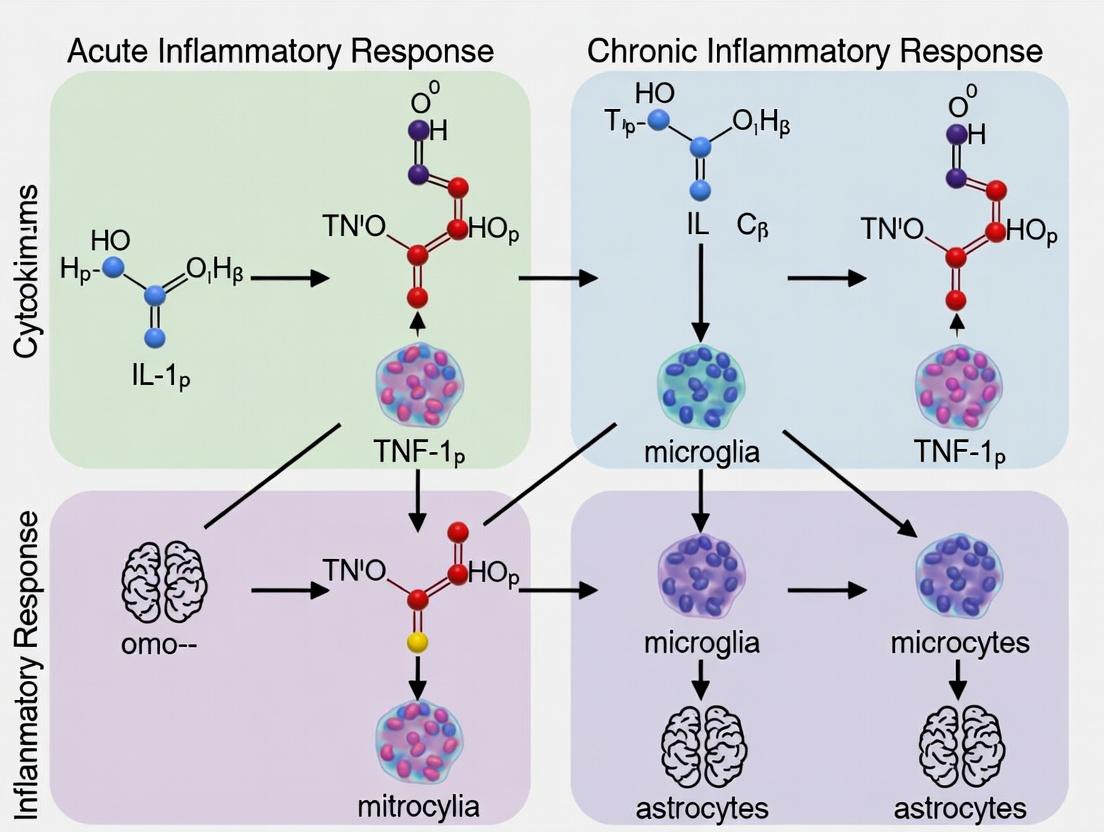
This review comprehensively examines the distinct biological mechanisms, timelines, and functional consequences of acute versus chronic inflammatory responses to neural implants, including deep brain stimulation (DBS) electrodes, Utah arrays, and...
Understanding Acute vs Chronic Inflammatory Response to Brain Implants: Key Differences and Therapeutic Strategies
Abstract
This review comprehensively examines the distinct biological mechanisms, timelines, and functional consequences of acute versus chronic inflammatory responses to neural implants, including deep brain stimulation (DBS) electrodes, Utah arrays, and cortical probes. We detail state-of-the-art methodologies for monitoring these responses, analyze common failure modes related to glial scarring and neurodegeneration, and evaluate comparative strategies for mitigating long-term inflammation through material engineering, drug delivery, and device design. This synthesis provides researchers and drug development professionals with a framework for improving device biocompatibility, longevity, and therapeutic efficacy in neurological applications.
Defining the Phases: The Fundamental Biology of Acute and Chronic Neuroinflammation
This technical guide details the acute inflammatory phase triggered by neural implant insertion, a critical determinant in the broader thesis framework of acute versus chronic inflammatory responses to brain-computer interfaces (BCIs). The acute phase (minutes to ~7 days post-implantation) establishes the initial tissue-device interface environment. Its resolution or dysregulation directly influences the transition to a persistent chronic state characterized by glial scarring and neuronal loss, ultimately dictating long-term implant functionality and therapeutic efficacy. Understanding this acute cascade is therefore paramount for developing interventions that promote integration and mitigate chronic failure.
The acute phase follows a defined, overlapping sequence of events post-injury/implantation.
Table 1: Temporal Dynamics of the Acute Inflammatory Phase
| Time Post-Insertion | Primary Events | Key Cellular Actors | Dominant Molecular Signals |
|---|---|---|---|
| 0 – 4 hours | Surgical injury, blood-brain barrier (BBB) disruption, plasma protein extravasation, initial DAMP release (ATP, HMGB1). | Vascular endothelial cells, pericytes, resident microglia. | ATP, K+, Glutamate, HMGB1. |
| 4 – 24 hours | Rapid microglial activation, morphological shift to amoeboid state, phagocytosis of debris, cytokine/chemokine release. | Activated microglia (M1 phenotype). | TNF-α, IL-1β, IL-6, CCL2, CXCL10. |
| 24 – 72 hours | Peak of microglial response. Astrocyte activation (reactivity) begins, characterized by hypertrophy and process extension. | Activated microglia, reactive astrocytes (A1 phenotype). | Sustained cytokines (TNF-α, IL-1α, C1q) from microglia driving A1 astrocytosis. |
| 3 – 7 days | Formation of initial glial boundary; astrocyte processes encapsulate the injury site. Infiltration of peripheral immune cells (if BBB breach is significant). | Reactive astrocytes, peripheral macrophages (subset), persistent activated microglia. | GFAP, CSPG upregulation, TGF-β, continued pro-inflammatory signals. |
Key Cellular Actors and Experimental Protocols
Microglia: First Responders
- Role: Sense DAMPs via pattern recognition receptors (PRRs; e.g., TLR2/4, P2X7R). Rapidly transition from ramified to amoeboid morphology, migrate to the injury site, phagocytose cellular debris, and secrete pro-inflammatory cytokines and chemokines.
- Experimental Protocol: In Vivo Two-Photon Microscopy of Microglial Dynamics
- Animal Model: Cx3cr1-GFP/+ transgenic mouse (microglia-specific GFP labeling).
- Implantation: Cranial window installation followed by controlled insertion of a microelectrode (e.g., 50 µm tungsten wire) into the somatosensory cortex.
- Imaging: Use a two-photon microscope. Acquire time-lapse images of the implant site starting immediately post-insertion and continuing at 15-minute intervals for 6 hours, then daily for 7 days.
- Analysis: Quantify microglial process velocity, soma migration distance, and territory coverage using software (e.g., Imaris, Fiji). Correlate dynamics with electrophysiological signal degradation.
Astrocytes: Transition to Reactivity
- Role: Initially respond to ionic imbalance (K+, glutamate) and DAMPs. Become "reactive" primarily driven by microglial cytokines (IL-1α, TNF-α, C1q), undergoing hypertrophy, upregulating GFAP, and producing chondroitin sulfate proteoglycans (CSPGs).
- Experimental Protocol: In Vitro Astrocyte Reactivity Co-Culture Assay
- Cell Culture: Primary murine microglia and astrocytes harvested from P1-P3 pups.
- Stimulation Setup: Plate astrocytes in the lower chamber of a transwell system. Culture activated microglia (stimulated with 100 ng/mL LPS for 24h) in the upper insert, or treat astrocytes directly with recombinant cytokines (10 ng/mL IL-1α + 10 ng/mL TNF-α + 10 ng/mL C1q).
- Insertion Mimic: In some wells, scratch the astrocyte monolayer with a sterile pipette tip to simulate mechanical injury.
- Analysis (48h post-stimulation): Immunocytochemistry for GFAP (intensity and area quantification). RT-qPCR for canonical A1 markers (e.g., C3, Serping1). ELISA for CSPG secretion in supernatant.
Molecular Signaling Pathways
DAMP Recognition and Initial Activation
Damage-Associated Molecular Patterns (DAMPs; e.g., ATP, HMGB1, S100B) released from necrotic cells and damaged extracellular matrix bind to receptors on microglia and astrocytes, initiating the signaling cascade.
Diagram 1: DAMP recognition and signaling initiation.
Cytokine Cascade and Astrocyte Crosstalk
Microglia-derived cytokines potently drive neurotoxic A1 astrocyte reactivity, while astrocytes amplify the inflammatory signal.
Table 2: Key Signaling Molecules in Acute Neuroinflammation
| Molecule | Primary Source | Target Receptor | Major Function in Acute Phase | Example Quantification (Rodent CSF/Tissue, 24h post-injury) |
|---|---|---|---|---|
| TNF-α | Activated Microglia (M1), Infiltrating Macrophages | TNFR1/2 | Promotes further microglial activation, drives A1 astrocytosis, modulates neuronal excitotoxicity. | ~200-500 pg/mg tissue (ELISA) |
| IL-1β | Microglia (via NLRP3 inflammasome) | IL-1R | Potent pro-inflammatory signal; enhances leukocyte adhesion, fever response, neuronal death. | ~50-150 pg/mg tissue (ELISA) |
| IL-6 | Microglia, Astrocytes | IL-6R/gp130 | Dual role: Pro-inflammatory & neurotrophic; promotes astrocyte proliferation. | ~100-300 pg/mg tissue (ELISA) |
| CCL2 (MCP-1) | Microglia, Astrocytes, Endothelia | CCR2 | Major chemokine recruiting monocytes/macrophages to the site of BBB breach. | ~300-800 pg/mg tissue (ELISA) |
| HMGB1 | Necrotic Neurons, Glia | TLR4, RAGE | Key DAMP; sustains inflammatory response, promotes cytokine release. | ~20-50 ng/mL (CSF, Immunoassay) |
Diagram 2: Microglia-astrocyte cytokine crosstalk.
The Scientist's Toolkit: Research Reagent Solutions
Table 3: Essential Reagents for Studying Acute Neuroinflammation to Implants
| Reagent / Material | Function / Target | Example Application | Key Vendor(s) |
|---|---|---|---|
| CX3CR1-GFP Transgenic Mice | Enables in vivo imaging and sorting of microglia. | Real-time tracking of microglial dynamics post-implantation. | Jackson Laboratory |
| Anti-Iba1 Antibody | Ionized calcium-binding adapter molecule 1; microglia/macrophage marker. | IHC/IF to identify and quantify activated microglia. | Fujifilm Wako, Abcam |
| Anti-GFAP Antibody | Glial fibrillary acidic protein; marker of astrocyte reactivity. | IHC/IF to assess astrocyte hypertrophy and scar formation. | Dako, MilliporeSigma |
| LPS (Lipopolysaccharide) | TLR4 agonist; potent microglial activator. | Positive control for in vitro or in vivo inflammatory challenge. | MilliporeSigma, InvivoGen |
| Recombinant Cytokine Cocktail (IL-1α, TNF-α, C1q) | Induces A1 reactive astrocyte phenotype in vitro. | Studying pure astrocyte reactivity independent of microglia. | R&D Systems, PeproTech |
| P2X7 Receptor Antagonist (e.g., A-438079) | Inhibits ATP-dependent microglial activation via P2X7R. | Testing role of purinergic signaling in acute inflammation. | Tocris, Abcam |
| MCC950 | Selective NLRP3 inflammasome inhibitor. | Investigating role of IL-1β maturation in acute phase. | MedChemExpress, Selleckchem |
| Multi-Analyte ELISAPlex/LEGENDplex Kits | Multiplex quantification of cytokines/chemokines. | Simultaneous measurement of key signals (TNF-α, IL-1β, IL-6, CCL2) from tissue lysate or CSF. | Bio-Rad, BioLegend |
| Chondroitinase ABC | Enzyme that degrades CSPGs produced by reactive astrocytes. | Assessing the contribution of the astroglial scar to acute barrier formation. | AMSBIO, MilliporeSigma |
| Silicon or Tungsten Neural Probes | Standardized implant for injury model. | Creating a consistent and reproducible insertion injury. | NeuroNexus, Tucker-Davis Tech |
Within the broader research context of acute versus chronic inflammatory responses to brain implants, the transition from initial injury to a sustained pathological state is a critical failure mode. This chronic phase is characterized by a persistent foreign body response (FBR) and the establishment of a dense glial scar, which together lead to device encapsulation, neuronal death, and loss of recording/stimulation fidelity. This whitepaper details the cellular and molecular mechanisms driving this transition and provides technical methodologies for its study.
Core Mechanisms of the Transition
Persistent Foreign Body Response
The acute FBR, involving fibrin deposition and innate immune cell infiltration, evolves into a chronic state when the implant does not degrade or integrate. Persistent mechanical mismatch and leaching of materials lead to ongoing macrophage activation. A subset of macrophages fuses to form foreign body giant cells (FBGCs), which secrete a continuous stream of pro-inflammatory cytokines (e.g., IL-1β, TNF-α) and reactive oxygen species, maintaining a cytotoxic milieu.
Glial Scar Formation
Concurrent with the FBR, activated astrocytes undergo hypertrophy and proliferate, forming a dense meshwork of glial fibrillary acidic protein (GFAP)-positive processes. This scar acts as a physical and chemical barrier. Critically, reactive astrocytes upregulate chondroitin sulfate proteoglycans (CSPGs), which are potent inhibitors of neurite outgrowth and synaptic repair.
Signaling Nexus: The TGF-β Pathway
The transforming growth factor-beta (TGF-β) pathway is a master regulator bridging the FBR and gliosis. Persistent macrophage-derived TGF-β1 drives the transition of astrocytes to a reactive phenotype and stimulates the production of extracellular matrix (ECM) components, cementing the chronic scar.
Title: Signaling Pathway from Implant to Chronic Scar
Table 1: Key Molecular Markers in Acute vs. Chronic Phase Around Neural Implants
| Marker Category | Acute Phase (1-7 days) | Chronic Phase (>4 weeks) | Measurement Method |
|---|---|---|---|
| Pro-inflammatory Cytokines | IL-6, TNF-α (Peak at 24-48h) | IL-1β, TGF-β1 (Sustained elevated) | Multiplex ELISA / qPCR |
| Immune Cells | Neutrophils (CD11b+ Ly6G+), M1 Macrophages (iNOS+) | FBGCs, M1/M2 Mixed, T-cells | Flow Cytometry / IHC |
| Astrocyte Reactivity | GFAP↑, Partial Scarring | GFAP↑↑↑, Dense Scar, CSPG (Aggrecan, Neurocan)↑ | IHC, Western Blot |
| Neuronal Integrity | Peri-implant Neuronal Loss (~40%) | Progressive Loss (>70%), Axonal Dystrophy | NeuN IHC, MAP2 Staining |
| Microglia | Activated (Iba1+, Morphology Change) | Phagocytic, Clustering at Interface | Iba1 IHC, 3D Morphometrics |
Detailed Experimental Protocols
Protocol 1: Histological Evaluation of Chronic FBR and Gliosis
Objective: To quantify glial scar thickness, cellular composition, and neuronal density around a chronic neural implant.
- Implantation: Sterilize implant (e.g., silicon probe, microwire). Anesthetize subject and perform aseptic craniotomy. Slowly insert device into target brain region (e.g., motor cortex, hippocampus). Secure with dental cement.
- Perfusion & Fixation (4-8 weeks post-implant): Deeply anesthetize subject. Transcardially perfuse with 0.1M PBS followed by 4% paraformaldehyde (PFA). Extract brain and post-fix in PFA for 24h, then transfer to 30% sucrose for cryoprotection.
- Sectioning: Cut 20-30 µm thick coronal sections containing the implant track using a cryostat. Collect serial sections.
- Immunohistochemistry (IHC):
- Block sections in 10% normal goat serum + 0.3% Triton X-100.
- Incubate in primary antibodies (72h, 4°C): Chicken anti-GFAP (1:1000), Rabbit anti-Iba1 (1:500), Mouse anti-NeuN (1:500), and e.g., Mouse anti-CD68 (for macrophages).
- Incubate in fluorescent secondary antibodies (2h, RT): Use appropriate species-specific secondaries (e.g., Alexa Fluor 488, 555, 647).
- Counterstain with DAPI and mount.
- Imaging & Analysis: Use confocal microscopy. For each marker, quantify:
- Scar Thickness: Radial distance of dense GFAP+ signal from implant track.
- Cell Densities: Count Iba1+, CD68+, NeuN+ cells in concentric 50 µm bins from the interface.
- Fluorescence Intensity: Measure mean intensity for GFAP, CSPGs around the track.
Protocol 2: Electrochemical Cytokine Sensing at the Chronic Implant Interface
Objective: To measure in vivo levels of pro-inflammatory cytokines (e.g., IL-1β) over time at the implant site.
- Sensor Fabrication: Functionalize carbon fiber microelectrodes with Nafion and poly(3,4-ethylenedioxythiophene) (PEDOT). Immobilize anti-IL-1β capture antibodies via crosslinkers like 1-ethyl-3-(3-dimethylaminopropyl)carbodiimide (EDC)/N-hydroxysuccinimide (NHS).
- Co-implantation: Implant cytokine sensor adjacent to a conventional neural probe in rodent cortex.
- Chronic Measurement: At regular intervals (e.g., days 1, 3, 7, 14, 28), connect sensor to a potentiostat under light anesthesia. Perform square wave voltammetry in a specific potential window.
- Data Calibration: Relate oxidation/reduction peak currents to cytokine concentration using pre- and post-experiment calibrations in known IL-1β concentrations.
The Scientist's Toolkit: Key Research Reagents & Materials
Table 2: Essential Reagents for Investigating Chronic Neural Inflammation
| Item | Function/Application | Example Catalog # |
|---|---|---|
| Anti-GFAP Antibody (Chicken) | Labels reactive astrocytes; defines glial scar boundary. | Abcam ab4674 |
| Anti-Iba1 Antibody (Rabbit) | Labels microglia and macrophages; assesses immune activation. | Fujifilm 019-19741 |
| Anti-NeuN Antibody (Mouse) | Labels neuronal nuclei; quantifies neuronal survival. | Millipore MAB377 |
| Anti-CD68 Antibody | Specific marker for phagocytic macrophages/FBGCs. | Bio-Rad MCA1957 |
| CS-56 Anti-CSPG Antibody | Labels inhibitory chondroitin sulfate proteoglycans. | Sigma-Aldrich C8035 |
| TGF-β1 ELISA Kit | Quantifies TGF-β1 protein levels in tissue homogenates. | R&D Systems DB100B |
| PEDOT Conducting Polymer | Coating for neural probes and biosensors; improves biocompatibility and charge transfer. | Heraeus Clevios PH1000 |
| Fluorophore-conjugated Secondary Antibodies | For multiplex fluorescent IHC visualization. | Invitrogen Alexa Fluor series |
| Matrigel or Collagen-Based Hydrogels | Used as soft, biocompatible coatings to modulate FBR. | Corning 356237 |
| Cytometric Bead Array (Mouse Inflammatory Kit) | Multiplex flow cytometry assay for key cytokines (IL-1β, TNF-α, etc.). | BD Biosciences 552364 |
Title: Workflow for Histological Analysis of Chronic Response
The transition to chronic inflammation is the pivotal point determining the long-term failure of intracortical brain-computer interfaces. It is an interdependent process where persistent macrophage activity fuels astrocyte scarring, which in turn isolates the implant and creates a hostile microenvironment for neurons. Breaking this cycle requires targeted strategies that modulate the chronic FBR and promote a more regenerative form of glial activation, moving beyond the sole focus on acute implantation damage.
The long-term functionality of brain-computer interfaces and neural implants is critically limited by the host's foreign body response (FBR). This response follows a tightly regulated, temporal sequence, transitioning from an acute, pro-inflammatory phase to a chronic, fibrotic stabilization phase. Understanding the distinct cellular players and molecular programs in each phase is essential for developing intervention strategies. This whitepaper details the cellular and molecular landscapes, providing a technical guide for researchers focused on modulating this response to improve chronic neural recording and stimulation fidelity.
The Acute Inflammatory Phase (Days 0-7 Post-Implantation)
The initial injury from implantation triggers immediate activation of the innate immune system.
Key Cellular Actors & Quantitative Profiles
Table 1: Quantitative Metrics of Acute Phase Cellular Responses in Rodent Models (Peak, ~Day 3-5)
| Cellular Component | Primary Marker(s) | Approximate Peak Density | Key Secreted Factors |
|---|---|---|---|
| Neutrophils | Ly6G, MPO | 300-500 cells/mm² near probe | ROS, MMP-9, IL-1β, NETs |
| M1 Microglia | CD86, iNOS, CD32 | 60-80% of Iba1⁺ cells | TNF-α, IL-1β, IL-6, CCL2 |
| Reactive Astrocytes (A1-like) | GFAP, C3 | GFAP+ area ↑ 10-15 fold | Complement factors, CXCL10 |
Detailed Experimental Protocol: Flow Cytometric Characterization of Acute Immune Populations
Objective: To quantify neutrophils (Ly6G⁺CD11b⁺) and polarized microglia (M1: CD86⁺CD11b⁺CD45low) from brain tissue surrounding an implant at day 5 post-insertion.
Materials:
- PBS-based Enzymatic Dissociation System: Papain-based neural tissue dissociation kit.
- Myelin Removal Beads: For post-dissociation myelin debris clearance.
- Fluorophore-conjugated Antibodies: Anti-mouse Ly6G (APC), CD11b (PerCP-Cy5.5), CD45 (BV510), CD86 (PE).
- Viability Dye: 7-AAD or DAPI.
- Flow Cytometer with appropriate lasers and filters.
Procedure:
- Perfusion & Dissection: Perfuse mouse transcardially with 20 mL ice-cold PBS. Dissect out a ~1 mm³ tissue sheath surrounding the implant track.
- Tissue Dissociation: Mechanically mince tissue, then incubate in activated papain solution (2.5 U/mL) for 30 min at 37°C with gentle trituration every 10 min.
- Single-Cell Suspension: Pass through a 70 µm strainer. Centrifuge (300 x g, 5 min).
- Myelin Removal: Resuspend pellet in buffer, add Myelin Removal Beads, and run through a magnetic column per manufacturer's protocol.
- Staining: Resuspend cells in FACS buffer. Incubate with antibody cocktail and viability dye for 30 min on ice in the dark.
- Acquisition & Analysis: Wash, resuspend, acquire on flow cytometer. Gate: Single, live cells → CD45⁺ → CD11b⁺. Identify neutrophils as Ly6G⁺CD45high and microglia as CD45low. Further subset microglia for CD86⁺ (M1).
The Chronic Foreign Body Response (Weeks to Months)
Failure to resolve acute inflammation leads to encapsulation and chronic perturbation.
Key Cellular Actors & Quantitative Profiles
Table 2: Quantitative Metrics of Chronic Phase Cellular Responses in Rodent Models (Steady State, >4 Weeks)
| Cellular Component | Primary Marker(s) | Approximate Metrics | Key Secreted/Structural Factors |
|---|---|---|---|
| Fibrous Capsule | Collagen I (Masson's Trichrome), Fibronectin | Thickness: 15-30 µm; Collagen Density ↑ 20x vs. naive | Collagen I/III, Fibronectin, Laminin |
| M2 Microglia/Macrophages | CD206, Arg1, YM1/2 | 70-85% of Iba1⁺ cells at interface | TGF-β1, IL-10, IGF-1, VEGF |
| Persistent Astrogliosis | GFAP, S100β, Nestin (border) | Glial Scar Border: 50-100 µm thick | CSPGs, Tenascin-C, Syndecans |
Detailed Experimental Protocol: Immunohistochemical Analysis of Chronic Encapsulation
Objective: To visualize and measure the fibrous capsule and chronic glial scar around a 6-week-old neural implant.
Materials:
- Cryostat or Microtome: For sectioning frozen or paraffin-embedded brain tissue.
- Primary Antibodies: Rabbit anti-Collagen I, Chicken anti-GFAP, Rat anti-CD206.
- Secondary Antibodies: Species-specific fluorophores (e.g., Alexa Fluor 488, 555, 647).
- Nuclear Stain: DAPI.
- Confocal or Epifluorescence Microscope with quantitative imaging software.
Procedure:
- Tissue Preparation: Perfuse-fix mouse with 4% PFA. Extract brain, post-fix for 24h, cryoprotect in 30% sucrose. Section coronally (30 µm) through the implant site.
- Immunostaining: Perform free-floating staining. Block sections in 5% normal donkey serum + 0.3% Triton X-100 for 1h.
- Primary Antibody Incubation: Incubate in cocktail of anti-Collagen I (1:500), anti-GFAP (1:1000), and anti-CD206 (1:300) in blocking buffer for 48h at 4°C.
- Secondary Antibody Incubation: Wash and incubate with appropriate secondaries (1:500) for 2h at RT.
- Mounting & Imaging: Mount on slides with anti-fade medium containing DAPI. Image using a confocal microscope with sequential laser acquisition.
- Quantification: Use ImageJ/Fiji. Measure capsule thickness (Collagen I⁺ band) radially from the implant surface at 10+ points per section. Measure GFAP intensity and CD206⁺ cell counts within defined regions of interest (e.g., 0-50 µm, 50-100 µm from interface).
Signaling Pathways Governing the Transition
The shift from acute to chronic response is orchestrated by key signaling cascades.
Title: Signaling Switch from Acute to Chronic Brain Implant Response
The Scientist's Toolkit: Essential Research Reagents
Table 3: Key Research Reagent Solutions for Studying Brain Implant FBR
| Reagent/Category | Example Product/Specifics | Primary Function in Research |
|---|---|---|
| Pan-Microglia/Macrophage Marker | Anti-Iba1 (Ionized calcium-binding adapter molecule 1) antibody | Labels all microglia and infiltrating macrophages; essential for total myeloid population analysis. |
| M1 Polarization Markers | Anti-CD86, anti-iNOS antibodies; LPS + IFN-γ in vitro stimulus | Identifies classically activated, pro-inflammatory microglia/macrophages. |
| M2 Polarization Markers | Anti-CD206, anti-Arg1 antibodies; IL-4 + IL-13 in vitro stimulus | Identifies alternatively activated, pro-repair/anti-inflammatory microglia/macrophages. |
| Astrocyte Marker | Anti-GFAP (Glial Fibrillary Acidic Protein) antibody | Labels reactive astrocytes; intensity and morphology correlate with astrogliosis severity. |
| Fibrosis/Capsule Marker | Anti-Collagen I antibody; Masson's Trichrome Stain | Visualizes and quantifies the deposited fibrous extracellular matrix of the chronic capsule. |
| Live Cell Imaging Dye | CellTracker dyes (e.g., CM-Dil); Hoechst 33342 | Labels implanted probe surfaces or viable cell nuclei for tracking cell-probe interactions in vitro or ex vivo. |
| Cytokine Multiplex Assay | Luminex or MSD multi-array panels for 20+ mouse cytokines/chemokines | Simultaneous quantification of key inflammatory (TNF-α, IL-1β) and resolving (TGF-β, IL-10) mediators from tissue homogenate. |
| Neuroinflammation PCR Array | RT² Profiler PCR Arrays for Mouse Neuroinflammation | Profiles the expression of 84+ key genes involved in glial activation and immune crosstalk. |
Integrated Experimental Workflow for a Longitudinal Study
Title: Longitudinal Study Workflow for Implant FBR Analysis
The distinct yet interconnected cellular landscapes of the acute and chronic phases present specific therapeutic windows. Acute-phase targeting (e.g., neutrophil inhibition, M1 modulation) aims to reduce initial damage. Chronic-phase strategies (e.g., promoting M2 stability, inhibiting collagen cross-linking) aim to mitigate the physical and chemical barrier of the capsule. Successful next-generation implants will likely employ combinatorial, temporally controlled drug-elution strategies informed by this detailed cellular roadmap.
This whitepaper provides an in-depth technical analysis of the consequences of chronic neuroinflammation in the context of implanted neural devices. Framed within a broader thesis contrasting acute versus chronic inflammatory responses, it details the mechanistic pathways leading to neuronal loss, degradation of electrophysiological signals, and ultimate device failure. The progression from acute, beneficial glial activation to a persistent, detrimental inflammatory state represents a primary barrier to the long-term stability and functionality of brain-computer interfaces and other chronic implants.
Pathophysiology of Chronic Neuroinflammation
Following device implantation, the acute inflammatory phase is characterized by microglial activation, astrocyte reactivity, and the recruitment of peripheral immune cells, aimed at isolating the foreign body and repairing the blood-brain barrier breach. However, the persistent presence of the implant and continuous mechanical micro-motion can transition this response into a chronic state. This chronic inflammation is marked by sustained release of pro-inflammatory cytokines (e.g., IL-1β, TNF-α, IL-6), reactive oxygen and nitrogen species, and persistent activation of microglia and astrocytes, forming a dense glial scar.
Quantitative Data on Inflammatory Outcomes
The following tables summarize key quantitative findings from recent studies on chronic inflammation around neural implants.
Table 1: Temporal Progression of Glial Scar Metrics
| Time Post-Implantation | Astrocyte Density (GFAP+ area, % increase from baseline) | Microglial Density (Iba1+ cells/mm²) | Neuronal Density (NeuN+ cells/mm²) at Interface |
|---|---|---|---|
| 1 week | 150-200% | 800-1200 | 85-90% of contralateral |
| 4 weeks | 250-400% | 500-800 | 70-80% of contralateral |
| 12 weeks (Chronic) | 300-500% (Dense Scar Formation) | 300-600 (Activated Morphology) | 50-60% of contralateral |
| 52 weeks | Stable Elevated Plateau | Sustained Elevated Levels | <50% of contralateral (Significant Loss) |
Data synthesized from Kozai et al., 2015; Salatino et al., 2017; Wellman et al., 2019; and recent pre-prints (2023-2024).
Table 2: Electrophysiological Signal Degradation Over Time
| Signal Metric | Acute Phase (1-2 weeks) | Chronic Phase (8-12 weeks) | Failure Phase (>24 weeks) |
|---|---|---|---|
| Single-Unit Yield (per electrode) | High (3-5 units) | Reduced (1-3 units) | Low/None (0-1 units) |
| Signal-to-Noise Ratio (SNR) | 5:1 to 10:1 | 3:1 to 5:1 | < 2:1 |
| Amplitude of Recorded Units (µV) | 100-300 | 50-150 | < 50 (Often undetectable) |
| Local Field Potential (LFP) Power | High, stable | Increased low-frequency noise | Unreliable, artifact-dominated |
Data compiled from Prasad et al., 2012; Michelson et al., 2021; and ongoing longitudinal studies (2024).
Core Mechanisms and Signaling Pathways
Neuronal Loss Pathways
Chronic inflammation drives neuronal apoptosis and excitotoxicity via multiple intertwined pathways. Sustained cytokine release activates death domain receptors on neurons (e.g., TNFR1). Reactive astrocytes downregulate glutamate transporters (GLT-1, GLAST), leading to synaptic glutamate accumulation and NMDA receptor-mediated excitotoxicity. Microglial-derived ROS/RNS directly damage neuronal lipids, proteins, and DNA.
Diagram 1: Signaling Pathways Leading to Neuronal Loss
Signal Degradation and Device Failure Mechanisms
Signal degradation results from increased physical distance between electrodes and viable neurons due to glial scar encapsulation, neuronal death, and degradation of the electrode interface itself. Electrochemical failure involves insulation degradation, corrosion, and increased electrode impedance.
Diagram 2: Mechanisms of Signal Degradation & Device Failure
Key Experimental Protocols for Investigation
Protocol: LongitudinalIn VivoTwo-Photon Microscopy with Chronic Electrophysiology
Objective: To correlate real-time glial activity, neuronal survival, and electrophysiological signal quality around a chronically implanted neural probe.
Materials: Transgenic mice (e.g., CX3CR1-GFP/+, GFAP-tdTomato), cranial window with integrated microdrive/electrode array, two-photon microscope, high-impedance recording system.
Procedure:
- Surgery: Implant a chronic cranial window over the region of interest (e.g., motor cortex). Securely implant a micromotor-driven microelectrode array, ensuring the electrode shanks are within the imaging plane.
- Baseline Imaging/Recording: At 7 days post-op, perform baseline two-photon imaging of GFP+ microglia and tdTomato+ astrocytes. Simultaneously, record baseline electrophysiology (single-unit, multi-unit, LFP).
- Longitudinal Tracking: Repeat imaging and recording sessions weekly for 12-24 weeks. Use vascular landmarks and the implant itself for session-to-session registration.
- Image Analysis: Quantify microglial process motility, soma proximity to the electrode, astrocyte scar thickness (GFAP+ intensity profile), and distance from electrode surface to nearest neuron (via post-hoc staining or transgenic neuronal label).
- Signal Analysis: Correlate changes in single-unit yield, SNR, and amplitude with the contemporaneous imaging metrics.
- Endpoint Histology: Perfuse animal, extract brain, section, and immunostain for NeuN, Iba1, GFAP, and markers of neuronal stress (e.g., c-Fos, cleaved caspase-3). Perform high-resolution confocal microscopy to validate in vivo findings.
Protocol: Electrochemical Impedance Spectroscopy (EIS) and Cyclic Voltammetry (CV) for Interface Assessment
Objective: To characterize the electrical and chemical degradation of the electrode interface in a chronic implant model.
Materials: Potentiostat, standard 3-electrode setup (working=implant electrode, counter=Pt wire, reference=Ag/AgCl), phosphate-buffered saline (PBS) or artificial cerebrospinal fluid (aCSF).
Procedure:
- Pre-Implantation Baseline: Perform EIS (typical range: 1 Hz - 1 MHz, 10 mV RMS) and CV (e.g., -0.6V to 0.8V vs. Ag/AgCl, 50 mV/s) on all electrodes in vitro.
- Chronic Implantation: Implant device in target species for the desired duration (e.g., 4, 12, 24 weeks).
- Terminal Ex Vivo Testing: Euthanize animal, carefully explant the device with surrounding tissue intact. Gently remove tissue debris under microscopic guidance. Place the explanted device in aCSF and repeat EIS and CV measurements using the identical potentiostat settings.
- Data Analysis: Compare pre- and post-implantation spectra. Key metrics: Change in impedance magnitude at 1 kHz (relevant for neural recording), shift in phase angle, change in electrochemical surface area (from CV charge storage capacity), and evidence of redox peaks indicating corrosion or fouling.
- Surface Characterization (Optional): Use scanning electron microscopy (SEM) and energy-dispersive X-ray spectroscopy (EDS) on explanted electrodes to correlate electrochemical changes with physical corrosion, pitting, or organic fouling.
The Scientist's Toolkit: Key Research Reagent Solutions
Table 3: Essential Reagents and Materials for Chronic Neuroinflammation Research
| Item / Reagent | Function / Application | Example / Key Feature |
|---|---|---|
| Transgenic Animal Models | In vivo visualization of specific cell types. | CX3CR1-GFP (microglia), GFAP-tdTomato (astrocytes), Thy1-GCaMP (neuronal activity). |
| Chronic Neural Probes | Long-term recording/stimulation. | Neuropixels, Michigan arrays, Utah arrays, flexible polymer-based probes (e.g., NeuroRoots). |
| Multiplex Immunoassay Panels | Quantify cytokine/chemokine profiles from tissue homogenate or microdialysate. | Luminex xMAP or MSD V-PLEX panels for mouse/rat neuroinflammation markers (TNF-α, IL-1β, IL-6, IL-4, IL-10, etc.). |
| Iba1 & GFAP Antibodies | Gold-standard immunohistochemistry for microglia and astrocytes. | High-validation antibodies from Wako (Iba1) and Dako/Agilent (GFAP) for consistent scar quantification. |
| CLARITY Reagents | Tissue clearing for 3D visualization of device-tissue interface. | Hydrogel monomers ( acrylamide), clearing agents (SDS), for assessing glial encapsulation in 3D. |
| Fluorophore-Conjugated Lectins | Label vasculature and microglia. | Isolectin B4 (IB4) conjugated to Alexa Fluor dyes; labels endothelial cells and activated microglia. |
| ROS/RNS Detection Probes | Detect oxidative stress in situ. | Dihydroethidium (DHE) for superoxide, CellROX dyes, anti-nitrotyrosine antibodies for peroxynitrite damage. |
| Glutamate Sensor Viruses | Monitor glutamate dynamics at the interface. | AAVs expressing iGluSnFR (genetically encoded glutamate sensor) for in vivo imaging. |
| Conductive Polymer Coatings | Modify electrode interfaces to improve longevity. | PEDOT:PSS or PEDOT:Neurotrophin coatings to lower impedance and deliver therapeutic molecules. |
| Miniature Microscopes | Record calcium activity in freely behaving animals with implants. | nVista/nVoke systems (Inscopix) or miniscopes for correlating inflammation with neural circuit function. |
Chronic inflammation is the convergent pathological process underlying the triumvirate of neuronal loss, signal degradation, and device failure. The transition from an acute, reparative response to a chronic, destructive state involves complex, self-reinforcing signaling loops between microglia, astrocytes, and neurons. Mitigating these consequences requires a multi-faceted strategy targeting the inflammatory cascade, promoting neuroprotection, and developing next-generation biocompatible materials. Research must continue to employ integrated, longitudinal methodologies that combine advanced molecular biology, real-time imaging, and electrophysiology to dissect these mechanisms and validate therapeutic interventions, ultimately enabling stable, lifelong neural interfaces.
Tracking the Cascade: Advanced Methods to Monitor and Characterize Inflammatory Responses In Vivo
This technical guide details three pivotal in vivo imaging modalities applied within a research thesis investigating the acute versus chronic inflammatory response to brain implants. Understanding the temporal dynamics of neuroinflammation—from initial microglial activation to chronic glial scar formation—is critical for developing biocompatible neural interfaces. Multiphoton microscopy offers cellular-resolution, longitudinal imaging of the implant-tissue interface. PET imaging targeting the 18 kDa Translocator Protein (TSPO) provides a non-invasive, quantitative measure of activated microglia/macrophages. Longitudinal MRI delivers macrostructural and functional readouts of secondary consequences like edema, blood-brain barrier leakage, and metabolic shifts. Together, this multimodal approach enables a comprehensive spatiotemporal profiling of the host response.
Multiphoton Microscopy for Intravital Imaging of the Implant-Tissue Interface
Core Principle & Application
Multiphoton microscopy (MPM) leverages near-infrared (NIR) femtosecond-pulsed lasers to excite fluorophores via the near-simultaneous absorption of two or more photons. This allows deep-tissue imaging (up to ~1 mm in cortex) with minimal out-of-focus phototoxicity, making it ideal for chronic, longitudinal observation of cellular dynamics around implanted devices through optically transparent cranial windows.
Primary Thesis Application: To directly visualize in real-time the behavior of immune cells (e.g., microglia, peripherally-derived macrophages), astrocytes, and neuronal structures adjacent to the implant surface across acute (days) and chronic (weeks to months) phases.
Detailed Experimental Protocol for Longitudinal MPM of Brain Implants
Cranial Window Implantation & Device Placement:
- Anesthetize the subject (e.g., mouse) and perform a craniotomy (e.g., 3-5 mm diameter) over the target region.
- Insert the neural implant (e.g., Michigan array, Utah probe, or sterile dummy probe) into the brain parenchyma at a controlled speed.
- Seal the craniotomy with a glass coverslip, cemented to the skull with dental acrylic, creating a "chronic window" over the implant.
- Allow for recovery (≥2 weeks) before initial imaging to resolve acute surgical inflammation.
Fluorescent Labeling Strategies:
- Transgenic Reporter Lines: Utilize CX3CR1-GFP (microglia), GFAP-GFP (astrocytes), or Thy1-YFP (neurons).
- Intravital Dyes: Intravenous injection of Texas Red-dextran (70 kDa) to visualize vasculature and assess BBB integrity.
- Systemic Labeling: Intraperitoneal injection of fluorescent-conjugated antibodies (e.g., anti-CD45) to label circulating leukocytes.
Longitudinal Imaging Session:
- Anesthetize and secure the subject under the microscope objective.
- Maintain physiological parameters (temperature, respiration).
- Use a tunable NIR laser (e.g., 920 nm for GFP/YFP, 1040 nm for Texas Red) and non-descanned detectors.
- Acquire 3D z-stacks (e.g., 200 µm depth, 2 µm steps) encompassing the implant interface at registered coordinates over multiple time points (e.g., Day 0, 7, 14, 30 post-implant).
Quantitative Analysis:
- Microglial Process Dynamics: Skeletonize and quantify process length, motility, and convergence velocity toward the implant.
- Cell Counts/Densities: Quantify numbers of fluorescently-labeled cells within defined radii (e.g., 50 µm, 100 µm) from the implant.
- Vascular Metrics: Measure vessel diameter, leakage (extravasation of dextran), and blood flow velocity.
Table 1: Representative Multiphoton Microscopy Metrics in Mouse Cortex Around a Silica Probe.
| Metric | Acute Phase (1-7 days) | Chronic Phase (4-8 weeks) | Measurement Method |
|---|---|---|---|
| Microglial Soma Density | 500-800 cells/mm³ within 50 µm | 200-300 cells/mm³ within 50 µm | 3D cell counting in Imaris/ImageJ |
| Microglial Process Velocity | 2.5 - 4.0 µm/min toward implant | < 0.5 µm/min (static encapsulation) | Time-lapse motility tracking |
| Astrocyte Endfoot Coverage | ≤ 60% of vasculature | ≥ 90% of vasculature | GFAP signal co-localization with vessels |
| Vascular Leakage (Relative Intensity) | 3.5 - 5.0 fold increase over baseline | 1.2 - 1.5 fold increase over baseline | Ratio of extravascular to intravascular dextran signal |
| Neuronal Soma Density | ~15% decrease within 100 µm | Up to ~40% decrease within 100 µm | Automated detection of Thy1+ somata |
Diagram 1: Multiphoton microscopy workflow for chronic brain imaging.
The Scientist's Toolkit: MPM Research Reagents
Table 2: Essential Reagents for Multiphoton Intravital Imaging of Neuroinflammation.
| Item | Function | Example Product/Catalog |
|---|---|---|
| Ti:Sapphire Tunable NIR Laser | Provides femtosecond pulses for multiphoton excitation. | Spectra-Physics Mai Tai HP, Coherent Chameleon Vision II. |
| In Vivo Two-Photon Microscope | Integrated system for deep-tissue imaging in live subjects. | Bruker Ultima, Nikon A1R MP+, Zeiss LSM 880 with NLO. |
| High-Quality Objective Lens | Long-working-distance, water-immersion lens for deep penetration. | Olympus XLPLN25XWMP2 (25x, 1.0 NA), Nikon CFI75 LWD 16X (0.8 NA). |
| CX3CR1-GFP Mouse Line | Reporter for visualizing microglia morphology and dynamics. | B6.129P-Cx3cr1tm1Litt/J (JAX Stock #005582). |
| Texas Red-dextran (70 kDa) | Vascular dye for labeling blood plasma and assessing BBB leakage. | Thermo Fisher Scientific D1868. |
| Silicone Elastomer (Kwik-Sil) | Used to create a sealed well for immersion fluid over the cranial window. | World Precision Instruments KWIK-SIL. |
PET Imaging of TSPO for Quantifying Neuroinflammation
Core Principle & Application
Positron Emission Tomography (PET) imaging of the Translocator Protein (TSPO), upregulated on activated microglia and infiltrating macrophages, is the gold-standard for non-invasive, whole-brain quantification of neuroinflammation. Radioligands like [18F]DPA-714 or [11C]PK11195 bind to TSPO, with signal intensity correlating with the density of activated immune cells.
Primary Thesis Application: To non-invasively track the spatial distribution and intensity of the neuroinflammatory response to a brain implant over time, differentiating acute peak response from persistent chronic activation and comparing different implant materials or drug treatments.
Detailed Experimental Protocol for Longitudinal TSPO PET
Radioligand Synthesis & Preparation:
- Produce [18F]DPA-714 via nucleophilic fluorination in a automated synthesis module. Achieve radiochemical purity >95% and specific activity >50 GBq/µmol.
- Dilute in sterile saline for intravenous injection.
PET Imaging Acquisition:
- Anesthetize the implanted subject and position in the PET/CT or PET/MRI scanner.
- Administer the radioligand as a bolus injection via tail vein (e.g., ~10 MBq for mice).
- Acquire a dynamic PET scan for 60-90 minutes post-injection. Perform a low-dose CT scan for anatomical co-registration and attenuation correction.
Image Reconstruction & Analysis:
- Reconstruct dynamic PET data into time frames (e.g., 6x10s, 4x60s, 5x300s) using an iterative algorithm (OSEM).
- Co-register PET images to a subject-specific MRI template or atlas (e.g., Allen Mouse Brain Atlas).
- Define Regions of Interest (ROIs): Peri-implant region (0.5 mm margin around implant tract), contralateral homotopic region, and reference region (e.g., cerebellum, assumed low TSPO expression).
- Generate Time-Activity Curves (TACs) for each ROI.
Kinetic Modeling & Quantification:
- Apply a validated kinetic model, such as the Simplified Reference Tissue Model (SRTM) or Logan graphical analysis, using the reference region input function.
- Derive the primary outcome measure: Binding Potential (BPND), which is proportional to the density of available TSPO receptors.
- Calculate Standardized Uptake Value Ratio (SUVR) for a simpler, late-frame analysis (e.g., 40-60 min p.i.) if a validated steady-state exists.
Table 3: Representative TSPO PET Binding Metrics Following Neural Device Implantation in Rodents.
| Parameter | Sham Surgery (Control) | Acute Inflammation (7 dpi) | Chronic Inflammation (28 dpi) | Analysis Method |
|---|---|---|---|---|
| Peri-Implant BPND | 0.10 ± 0.05 | 0.85 ± 0.15 | 0.35 ± 0.10 | Simplified Reference Tissue Model (SRTM) |
| SUVR (40-60 min) | 1.05 ± 0.08 | 1.95 ± 0.25 | 1.40 ± 0.15 | Cerebellar Reference |
| Volume of Elevated Signal (mm³) | Not Applicable | 8.5 ± 2.5 | 3.0 ± 1.5 | Cluster analysis (SUV > mean + 2SD) |
| Contralateral BPND | 0.10 ± 0.05 | 0.20 ± 0.08 | 0.12 ± 0.05 | SRTM |
Diagram 2: TSPO PET imaging principle and quantification workflow.
The Scientist's Toolkit: TSPO PET Imaging Reagents
Table 4: Key Materials for TSPO PET Imaging in Preclinical Research.
| Item | Function | Example Product/Catalog |
|---|---|---|
| [18F]DPA-714 | Second-generation TSPO radioligand with high specific binding and improved signal-to-noise. | Custom synthesis via GE FASTlab or Trasis AllinOne modules. |
| Micro-PET/CT Scanner | Dedicated preclinical scanner for high-resolution molecular and anatomical imaging. | Mediso NanoScan, Siemens Inveon, Bruker Albira. |
| PMOD or VivoQuant Software | Image processing suite for kinetic modeling, atlas registration, and ROI analysis. | PMOD Technologies, Invicro. |
| Isoflurane Anesthesia System | Precise gas vaporizer and nose cone for stable, long-duration animal anesthesia during scans. | VetEquip or Summit Medical systems. |
| Sterile Saline (for Injection) | Vehicle for radioligand dilution and injection. | Hospira or equivalent. |
Longitudinal MRI for Monitoring Structural & Functional Changes
Core Principle & Application
Magnetic Resonance Imaging (MRI) provides excellent soft-tissue contrast without ionizing radiation. Multiple sequences can be employed longitudinally to monitor the sequelae of implant-induced inflammation: T2-weighted (T2w) and T2* for edema and hemorrhage; Contrast-Enhanced T1-weighted (CE-T1) for BBB disruption; Diffusion Tensor Imaging (DTI) for tissue microstructure (astrogliosis, neuronal loss); and Magnetic Resonance Spectroscopy (MRS) for neurochemical profiles.
Primary Thesis Application: To assess the macroscopic consequences of inflammation, such as the evolution of peri-implant edema, persistent BBB breach, extent of glial scarring, and associated metabolic dysfunction over chronic timescales.
Detailed Experimental Protocol for Multi-Parametric MRI
Animal Preparation & Anesthesia:
- Anesthetize with isoflurane (1-2% in O2), secure in an MRI-compatible stereotaxic bed with integrated heating and respiratory monitoring.
- For CE-T1 scans, insert a tail vein catheter for contrast agent (e.g., Gadoteridol) administration during the scan.
Multi-Sequence MRI Acquisition (e.g., 9.4T Bruker Scanner):
- Localizers: Fast gradient echo scans for positioning.
- T2-weighted RARE: Parameters: TR=4000 ms, TE=36 ms, rare factor 8, resolution = 80x80x500 µm³. Identifies hyperintense edema.
- T2* Multi-Gradient Echo: Parameters: TR=1000 ms, TE=3-30 ms (10 echoes), resolution = 100x100x500 µm³. Detects hypointense hemorrhage/iron deposits.
- DTI: Parameters: EPI readout, TR=4000 ms, TE=25 ms, b-value=1000 s/mm², 30 directions, resolution = 150x150x500 µm³. Derives Fractional Anisotropy (FA) and Mean Diffusivity (MD).
- CE-T1: Pre-contrast 3D FLASH scan. Administer Gadoteridol (0.2 mmol/kg). Repeat scan at 5 and 25 minutes post-injection.
- Single-Voxel 1H-MRS: Place voxel (2x2x2 mm³) over peri-implant region. Use PRESS sequence (TR=2500 ms, TE=20 ms, 256 averages). Quantify metabolites (e.g., NAA, Cr, Cho, mI).
Image Processing & Analysis:
- Co-register all image volumes to a baseline or atlas scan using rigid/affine transformations (e.g., with ANTs or SPM).
- Edema Volume: Semi-automatically segment hyperintense region on T2w images.
- BBB Leakage: Calculate % enhancement in peri-implant ROI on CE-T1 images:
(Signal_post - Signal_pre) / Signal_pre * 100. - DTI Metrics: Compute FA and MD maps. Extract values from defined ROIs.
- MRS Analysis: Fit spectra with LCModel. Express metabolites as ratios to total Creatine (Cr).
Table 5: Representative MRI Parameters Following Cortical Implant Insertion.
| MRI Sequence | Acute Phase (3-7 dpi) | Chronic Phase (6-12 wpi) | Biological Correlate |
|---|---|---|---|
| T2w Hyperintensity Volume | 5.8 ± 1.2 mm³ | 1.5 ± 0.7 mm³ | Vasogenic edema, inflammatory infiltrate |
| CE-T1 % Enhancement | 45 ± 15% | 8 ± 5% (if persistent) | Blood-Brain Barrier disruption |
| Fractional Anisotropy (FA) | 15-20% decrease | 25-40% decrease | Loss of coherent microstructure (neurites), gliosis |
| Mean Diffusivity (MD) | 10-15% increase | Variable; may normalize or decrease | Edema (increase), cellular infiltration/glial scar (decrease) |
| MRS: NAA/Cr Ratio | ~20% decrease | May partially recover or decline further | Neuronal integrity/viability |
| MRS: mI/Cr Ratio | 30-50% increase | Remains elevated | Astrogliosis, neuroinflammation |
Diagram 3: Multi-parametric MRI protocol for longitudinal implant assessment.
The Scientist's Toolkit: Preclinical MRI Essentials
Table 6: Critical Reagents and Equipment for Preclinical Neuro-MRI.
| Item | Function | Example Product/Catalog |
|---|---|---|
| High-Field Preclinical MRI | System with high gradient strength and multi-channel coils for rodent brain imaging. | Bruker BioSpec 9.4T/7.0T, Agilent/Varian systems, MR Solutions. |
| MRI-Compatible Monitoring System | Maintains physiology (temp, respiration) and enables gas anesthesia during long scans. | SA Instruments Model 1025 or Small Animal Instruments Inc. systems. |
| Gadolinium-Based Contrast Agent | Small molecular weight agent for detecting BBB leakage (CE-T1). | Gadoteridol (ProHance, Bracco). |
| ParaVision or VnmrJ Software | Vendor-specific acquisition software for pulse sequence control and raw data collection. | Bruker ParaVision, Agilent VnmrJ. |
| 3D Slicer or FSL Software | Open-source platform for image registration, segmentation, and analysis of multi-modal data. | 3D Slicer (www.slicer.org), FSL (FMRIB). |
The integrated application of Multiphoton Microscopy, TSPO PET, and Longitudinal MRI provides an unparalleled, multi-scale view of the inflammatory cascade triggered by intracortical implants. MPM delivers unprecedented cellular-resolution dynamics at the interface, PET offers a quantitative, translatable biomarker of activated microglia, and MRI reveals the associated structural and metabolic alterations. Employing these modalities in a longitudinal framework within a thesis on acute versus chronic inflammation allows researchers to rigorously characterize the host response, evaluate novel therapeutic interventions, and ultimately guide the rational design of next-generation, bio-integrative neural interfaces.
Introduction within a Thesis on Acute vs. Chronic Neuroinflammatory Response The long-term functionality of neural implants is critically limited by the foreign body response (FBR), which evolves from an acute, beneficial inflammatory phase to a chronic, detrimental state. This progression results in a glial scar and neuronal loss at the peri-implant region, leading to signal attenuation and device failure. A multi-modal analytical approach is therefore essential to deconvolute the spatiotemporal molecular landscape of this response. This guide details integrated protocols for histopathological and molecular profiling (IHC, RNA-seq, Proteomics) of the peri-implant niche, framing data within the acute (days) vs. chronic (weeks-months) inflammatory paradigm central to advancing biocompatible implant design and therapeutic intervention strategies.
1. Histopathological Assessment via Immunohistochemistry (IHC)
Protocol: Multiplex IHC for Glial and Immune Cell Phenotyping
- Tissue Preparation: Perfuse-fix (transcardial) implanted mice/rats with 4% paraformaldehyde (PFA). Extract the brain with the implant in situ. Post-fix for 24h, then dehydrate and embed in paraffin. Carefully remove the implant to create a cavity, then section tissue (5-7 µm) perpendicular to the implant track.
- Antigen Retrieval: Deparaffinize and rehydrate sections. Perform heat-induced epitope retrieval (HIER) using citrate buffer (pH 6.0) or Tris-EDTA (pH 9.0) in a pressure cooker for 15 min.
- Immunostaining: (For sequential multiplexing)
- Block endogenous peroxidases and non-specific binding (3% H₂O₂, then 5% normal serum/1% BSA).
- Incubate with primary antibody (e.g., Rabbit anti-Iba1, 1:1000) overnight at 4°C.
- Apply appropriate HRP-polymer secondary antibody and develop with DAB (brown precipitate).
- Apply heat (HIER) to strip antibodies.
- Repeat blocking and staining cycle with subsequent primaries (e.g., Mouse anti-GFAP, Chicken anti-NeuN).
- Counterstain with Hematoxylin, dehydrate, and mount.
- Quantitative Analysis: Image entire implant tracks using a slide scanner. Using image analysis software (e.g., QuPath, ImageJ):
- Define concentric zones (e.g., 0-50µm, 50-100µm, 100-200µm from interface).
- Measure cell density (cells/mm²) for each marker per zone.
- Calculate metrics like % area coverage for GFAP+ astrogliosis or Iba1+ cell morphology index (ramified vs. amoeboid).
Table 1: Representative IHC Metrics in Acute vs. Chronic Peri-Implant Response
| Cell Type / Marker | Acute Phase (3-7 Days Post-Implant) | Chronic Phase (>28 Days Post-Implant) | Measurement Method |
|---|---|---|---|
| Microglia / Iba1+ | High density, amoeboid morphology. | Reduced density, hypertrophic/ramified. | Density (cells/mm²), Morphology Index. |
| Astrocytes / GFAP+ | Reactive, thickened processes. | Dense, scarring, clear boundary. | % Area Coverage, Process Thickness. |
| Neurons / NeuN+ | Moderate reduction near interface. | Significant loss in 0-100µm zone. | Density (cells/mm²) relative to distal. |
| Blood-Brain Barrier / Laminin | Disrupted, diffuse staining. | Re-formed but abnormally organized. | Intensity & Pattern Score. |
| Macrophages / CD68+ | Peak infiltration at interface. | Persistent, foamy morphology. | Density at interface. |
2. Transcriptomic Profiling via Bulk RNA-Sequencing
Protocol: RNA Extraction and Sequencing from Laser-Captured Peri-Implant Tissue
- Tissue Procurement: Flash-freeze extracted brain with implant on dry ice. Section cryostat tissue (10-20 µm) onto PEN membrane slides. Using Laser Capture Microdissection (LCM), precisely collect tissue from defined peri-implant zones (e.g., 0-100µm rim).
- RNA Extraction & QC: Use a micro-scale RNA isolation kit (e.g., Arcturus PicoPure). Assess RNA Integrity Number (RIN) via Bioanalyzer; accept only RIN >7.0.
- Library Preparation & Sequencing: Employ a low-input RNA library kit (e.g., SMART-Seq v4 for ultra-low input). Generate stranded, poly-A selected libraries. Sequence on an Illumina platform to a minimum depth of 25-30 million paired-end reads per sample.
- Bioinformatics Analysis:
- Alignment & Quantification: Align reads to reference genome (e.g., mm10) using STAR. Quantify gene counts with featureCounts.
- Differential Expression (DE): Use DESeq2 or edgeR in R. Compare acute vs. chronic, or peri-implant vs. contralateral control. Filter for |log2FoldChange| >1 and adjusted p-value <0.05.
- Pathway Analysis: Perform Gene Set Enrichment Analysis (GSEA) on Hallmark, KEGG, and custom gliosis/neuroinflammation gene sets.
Table 2: Top Differentially Expressed Pathways in Chronic vs. Acute Peri-Implant Response
| Pathway/Gene Set | NES (Acute) | NES (Chronic) | Key Regulated Genes (Chronic Up) | Biological Interpretation |
|---|---|---|---|---|
| Inflammatory Response | 2.45 | 1.98 | C1qa, C1qb, Tlr2, TREM2 | Shift from general to complement/pattern recognition. |
| Epithelial-Mesenchymal Transition | 1.10 | 2.65 | Fn1, Col1a1, Acta2, Vim | Marked upregulation indicates fibrotic encapsulation. |
| Oxidative Phosphorylation | -0.85 | -2.20 | Ndufa4, Cox7a2, Atp5g1 | Downregulation suggests mitochondrial dysfunction. |
| IFN-γ Response | 1.85 | 1.20 | Stat1, Irf1, Cxcl10 | Attenuated but persistent interferon signaling. |
| Myeloid Cell Activation | 2.30 | 1.75 | Cd68, Itgax (CD11c), Lyz2 | Sustained but altered macrophage/microglia activity. |
3. Proteomic and Phosphoproteomic Analysis
Protocol: Liquid Chromatography-Tandem Mass Spectrometry (LC-MS/MS)
- Sample Preparation: Homogenize microdissected peri-implant tissue in strong denaturing buffer (e.g., 8M Urea). Reduce, alkylate, and digest proteins with trypsin/Lys-C. Desalt peptides using C18 StageTips.
- LC-MS/MS Acquisition: For global proteomics, use data-dependent acquisition (DDA) on a high-resolution mass spectrometer (e.g., Orbitrap Exploris). For phosphoproteomics, enrich phosphopeptides from a separate aliquot using TiO₂ or Fe-IMAC beads prior to LC-MS/MS.
- Data Processing: Search raw files against a species-specific UniProt database using engines (MaxQuant, FragPipe). Use a 1% FDR cutoff. For phosphosites, localize probabilities >0.75.
- Differential Analysis & Integration: Use Limma (R) for statistical comparison. Integrate with RNA-seq data via tools like matchBox to identify concordant protein-mRNA pairs and post-transcriptional regulation.
Table 3: Key Protein Clusters in Peri-Implant Fibrotic Scar
| Protein Cluster | Example Proteins | Log2FC (Chronic/Control) | Associated Process |
|---|---|---|---|
| Extracellular Matrix (ECM) | Collagen I (COL1A1), Fibronectin (FN1), Laminin | +3.5 to +5.0 | Fibrosis, Scar Maturation |
| Complement System | C1QA, C1QB, C3 | +2.0 to +3.8 | Chronic Opsonization, Inflammation |
| Intermediate Filaments | Vimentin (VIM), GFAP, Nestin | +1.8 to +2.5 | Reactive Gliosis |
| Calcium-Binding (S100) | S100A4, S100A6, S100A10 | +1.5 to +2.2 | Cell Migration, Invasion |
| Synaptic | Synaptophysin (SYP), PSD-95 (DLG4) | -1.8 to -2.5 | Neuronal Loss/Synaptic Dysfunction |
The Scientist's Toolkit: Research Reagent Solutions
| Item/Category | Specific Example | Function in Analysis |
|---|---|---|
| IHC Primary Antibodies | Rabbit anti-Iba1 (Fujifilm Wako), Chicken anti-GFAP (Abcam), Mouse anti-NeuN (MilliporeSigma) | Cell-type-specific labeling of microglia, astrocytes, and neurons. |
| IHC Detection System | ImmPRESS HRP Polymer Kits (Vector Labs) | Amplified, species-specific signal detection with minimal background. |
| RNA Isolation Kit | Arcturus PicoPure RNA Isolation Kit (Thermo Fisher) | Isolation of high-quality RNA from laser-captured microdissected samples. |
| Low-Input RNA Library Prep | SMART-Seq v4 Ultra Low Input RNA Kit (Takara Bio) | cDNA synthesis and amplification from picogram quantities of total RNA. |
| Proteomic Digestion | Trypsin/Lys-C Mix, Mass Spec Grade (Promega) | Specific and efficient protein digestion into peptides for LC-MS/MS. |
| Phosphopeptide Enrichment | Titansphere TiO₂ Phos-Tip Kit (GL Sciences) | Selective enrichment of phosphorylated peptides from complex digests. |
| Mass Spec Data Search | MaxQuant Software Suite | Comprehensive analysis of LC-MS/MS data for protein/peptide identification and quantification. |
Visualizations
Key Signaling Pathways in Chronic Gliosis and Fibrosis
Within the broader thesis investigating acute versus chronic inflammatory responses to intracortical brain implants, this whitepaper focuses on two key functional electrophysiological readouts: changes in recorded signal-to-noise ratio (SNR) and electrode impedance. The premise is that the evolving biological inflammatory milieu—from the acute insertion injury to the chronic foreign body response—directly and indirectly modulates the electrical interface, providing a real-time, in vivo proxy for the state of neuroinflammation.
Pathophysiological Link: Inflammation to Electrophysiology
The inflammatory cascade triggered by microelectrode implantation sequentially impacts the electrical recording environment.
- Acute Phase (Days 0-7): Insertion trauma causes local hemorrhage, blood-brain barrier disruption, and ionic shifts (K+, Ca2+). This is followed by rapid activation of microglia and astrocytes, along with infiltration of peripheral immune cells. The resultant local edema and release of charged biomolecules (proteins, cytokines) directly increase extracellular medium conductivity, typically causing a transient decrease in impedance magnitude. Concurrently, the initial injury discharge and subsequent heightened neuronal excitability may transiently increase signal amplitude, but increasing metabolic distress and ionic imbalance can quickly lead to SNR decline.
- Chronic Phase (Weeks to Months): The persistent foreign body response leads to the formation of a glial scar, characterized by a dense sheath of hypertrophic astrocytes and activated microglia encapsulating the electrode. This encapsulation creates a physical and electrical barrier between the electrode and viable neurons. The scar tissue, with its lower ionic conductivity compared to healthy neural tissue, causes a sustained increase in impedance magnitude. Neuronal death and displacement beyond the recording sphere of the now-insulated electrode lead to a progressive and often irreversible decline in SNR.
Quantitative Data Synthesis
The following tables summarize key empirical findings linking impedance, SNR, and histological markers of inflammation.
Table 1: Acute Phase Correlates (Days 0-7 Post-Implant)
| Parameter | Typical Direction of Change | Proposed Primary Cause | Histological Correlation |
|---|---|---|---|
| Impedance (1 kHz) | Decrease by 20-50% | Increased medium conductivity from edema, protein adsorption, ionic flux. | Peak microglia/macrophage activation, vasogenic edema. |
| SNR (Peak-to-Peak) | Initial spike, then rapid decline (>30% loss). | Initial injury discharge, then metabolic stress & neuronal silencing. | Elevated neuronal injury markers (e.g., NeuN reduction), pro-inflammatory cytokines (IL-1β, TNF-α). |
| Neuronal Yield | Sharp initial drop (>50% loss). | Acute trauma, excitotoxicity. | Local cell death, apoptosis. |
Table 2: Chronic Phase Correlates (Weeks to Months Post-Implant)
| Parameter | Typical Direction of Change | Proposed Primary Cause | Histological Correlation |
|---|---|---|---|
| Impedance (1 kHz) | Increase by 200-500% (or higher) from baseline. | Insulating glial scar formation (astrocyte encapsulation). | Dense GFAP+ astrocytic scar, Iba1+ microglial sheath. |
| SNR (Peak-to-Peak) | Progressive decline, often to noise floor. | Neuronal loss & increased electrode-neuron distance. | Neuronal depletion zone (~50-100 µm), persistent cytokine elevation (TGF-β1). |
| Neuronal Yield | Steady decline to near zero. | Neuronal death & migration away from electrode. | Stable fibrotic and glial encapsulation. |
Experimental Protocols for Correlative Assessment
LongitudinalIn VivoElectrophysiology & Impedance Protocol
Objective: To concurrently track impedance spectra and single-unit SNR from the same microelectrode array over time. Materials: Chronic intracortical microelectrode array (e.g., Michigan array, Utah array), compatible recording system with impedance spectroscopy capability (e.g., Intan RHD with stim/measure front-end), headstage, behavioral chamber. Procedure:
- Surgical Implantation: Aseptic technique. Perform craniotomy, durectomy, and slowly insert array into target region (e.g., motor cortex, hippocampus).
- Baseline Measurement (Day 0): Post-surgical recovery period (1-2 hrs). Record 10-minute spontaneous neural activity. Measure electrochemical impedance spectrum (e.g., 10 Hz to 100 kHz) using a small sinusoidal test current (e.g., 10 nA).
- Daily/Weekly Sessions: Repeat recordings in a consistent behavioral state (e.g., quiet wakefulness). Maintain consistent amplifier settings.
- Data Processing:
- SNR Calculation: For each identifiable single unit, SNR (dB) = 20 * log10(Vppsignal / Vrmsnoise), where Vpp is the peak-to-peak amplitude of the average waveform, and Vrms_noise is the root-mean-square of the signal-free background.
- Impedance Tracking: Extract magnitude and phase at 1 kHz as a standard metric. Track over time.
Terminal Histology & Immunohistochemistry Protocol
Objective: To correlate end-point inflammatory markers with the final electrophysiological metrics. Materials: Perfusion pump, paraformaldehyde (PFA), cryostat, primary antibodies (Iba1 for microglia, GFAP for astrocytes, NeuN for neurons), fluorescent secondary antibodies, mounting medium. Procedure:
- Perfusion & Fixation: At terminal timepoint, deeply anesthetize subject. Transcardially perfuse with PBS followed by 4% PFA. Extract brain, post-fix, and cryoprotect.
- Sectioning: Section tissue (30-40 µm thickness) containing the electrode track.
- Immunostaining: Perform free-floating immunohistochemistry. Block tissue, incubate with primary antibodies (e.g., anti-GFAP, anti-Iba1, anti-NeuN), then species-appropriate fluorescent secondaries.
- Imaging & Analysis: Confocal or epifluorescence imaging. Quantify:
- Gliosis Index: GFAP+ or Iba1+ area within radial distance (e.g., 100 µm) from the electrode track.
- Neuronal Density: Number of NeuN+ cells per area in concentric rings from the track.
- Encapsulation Thickness: Direct measurement of continuous glial sheath.
Signaling Pathways in Implant-Induced Neuroinflammation
Title: Inflammatory Cascade from Brain Implant Impacting SNR & Impedance
Experimental Workflow for Correlative Study
Title: Workflow for Correlating Electrophysiology with Implant Inflammation
The Scientist's Toolkit: Key Research Reagent Solutions
Table 3: Essential Materials for Investigation
| Item | Function & Relevance |
|---|---|
| Chronic Microelectrode Arrays (e.g., Michigan Si probes, Utah arrays) | Provide the chronic neural interface for simultaneous recording and impedance measurement. Coating materials (e.g., PEDOT, iridium oxide) can modulate inflammatory responses. |
| Impedance Spectroscopy System (e.g., Intan RHS/RHD with STIM, NanoZ, BioLogic Potentiostat) | Measures complex impedance across frequencies, critical for distinguishing interfacial from tissue components. |
| Spike Sorting Software (e.g., Kilosort, MountainSort, SpikeInterface) | Essential for isolating single-unit activity from noisy chronic recordings to calculate accurate unit-specific SNR over time. |
| Primary Antibodies: Anti-NeuN, Anti-GFAP, Anti-Iba1 | Gold-standard markers for labeling neurons, astrocytes, and microglia/macrophages, respectively, to quantify inflammatory response. |
| Cytokine ELISA/Multiplex Assay Kits (e.g., for IL-1β, TNF-α, IL-6, TGF-β1) | Enable quantification of pro- and anti-inflammatory cytokines in peri-implant tissue homogenates, providing molecular correlation. |
| Conductive Polymer Coatings (e.g., PEDOT:PSS, PEDOT:NF) | Used to modify electrode surfaces. Lower impedance and can be functionalized with anti-inflammatory drugs (e.g., dexamethasone) to modulate the inflammatory proxy signals. |
| Chronic Headstage & Commutator | Allows for stable, long-term recordings in freely behaving subjects, necessary for tracking chronic inflammatory progression. |
Emerging Biosensors and Coatings for Real-Time Monitoring of Inflammatory Markers
This whitepaper details emerging technologies for real-time inflammatory monitoring, framed within a critical research dichotomy: the acute (transient, beneficial) versus chronic (persistent, pathological) inflammatory response to intracortical and other neural implants. The foreign body response (FBR) remains a primary failure mode for chronic brain-computer interfaces (BCIs), electrodes, and drug-delivery shunts. The transition from acute to chronic inflammation, characterized by glial scarring and neurodegeneration, is poorly understood in vivo. Real-time, localized biosensing of inflammatory markers offers a transformative tool to delineate these phases, evaluate next-generation bioactive coatings, and guide therapeutic interventions to promote implant longevity and function.
Key Inflammatory Markers and Biosensor Modalities
Target Analytes
The inflammatory cascade involves a complex interplay of signaling molecules. Key targets for real-time monitoring at the implant-neural tissue interface include:
- Cytokines: IL-1β, IL-6, TNF-α (pro-inflammatory); IL-4, IL-10 (anti-inflammatory/resolving).
- Reactive Oxygen/Nitrogen Species (ROS/RNS): Hydrogen peroxide (H₂O₂), peroxynitrite (ONOO⁻).
- Proteolytic Enzymes: Matrix metalloproteinase-9 (MMP-9).
- Ions: Local pH shifts (acidosis).
Biosensing Transduction Mechanisms
Modern biosensors for implant integration employ several transduction principles:
- Electrochemical: Most prevalent for implantable use. Includes amperometric (current measurement for H₂O₂, enzymes), potentiometric (potential shift for pH), and electrochemical impedance spectroscopy (EIS; for binding events, cell adhesion).
- Optical: Often used in conjunction with fiber optics or waveguide implants. Includes fluorescence (quenching/enhancement by analyte), surface plasmon resonance (SPR), and colorimetry.
- Field-Effect Transistor (FET)-Based: Ultra-sensitive, label-free detection of charged molecules (cytokines) via gating effect on semiconductor channels.
Table 1: Comparison of Biosensor Modalities for Inflammatory Monitoring
| Modality | Typical Targets | Sensitivity Range | Temporal Resolution | Key Advantage | Primary Challenge for Chronic Implantation |
|---|---|---|---|---|---|
| Amperometric | H₂O₂, ROS, Enzymatic Products | pM – nM | Seconds – Minutes | High sensitivity, established miniaturization | Biofouling, enzyme stability, selectivity in complex media |
| Potentiometric | pH, Ions | µM – mM | Seconds | Simple instrumentation, continuous monitoring | Drift, interference from other ions |
| EIS | Protein Adsorption, Cell Adhesion | N/A (Interface Property) | Minutes | Label-free, tracks biofouling & fibrosis onset | Complex data interpretation, non-specific binding |
| Fluorescent (Optical) | Cytokines, MMPs, pH | pM – nM | Seconds | Multiplexing potential, high specificity | Photobleaching, need for implantable light source/detector |
| FET (Graphene/SiNW) | Cytokines (charged) | fM – pM | Real-time | Label-free, ultra-high sensitivity, miniaturization | Debye screening in physiological buffers, surface functionalization stability |
Advanced Coatings for Biosensor Integration and FBR Mitigation
Coatings serve dual purposes: (1) enhancing biosensor biocompatibility and longevity, and (2) acting as bioactive interfaces to modulate the host response.
Table 2: Functional Coating Strategies for Neural Implant Biosensors
| Coating Type | Example Materials | Primary Function | Impact on Acute vs. Chronic Inflammation |
|---|---|---|---|
| Anti-Biofouling | PEG, Zwitterionic polymers, Hydrogels (e.g., PEDOT:PSS) | Minimize non-specific protein adsorption, maintain sensor sensitivity. | Delays onset of chronic FBR by reducing initial protein "corona." |
| Drug-Eluting | Dexamethasone-loaded PLGA, IL-1Ra from hydrogels | Localized, sustained release of anti-inflammatory agents. | Suppresses acute inflammatory peak; risk of impeding necessary healing if overdone. |
| Bioactive/ Biomimetic | Laminin/IKVAV peptides, CD47 "self" peptides, Conducting polymers with neural adhesion motifs | Promote desired cellular integration (neuronal, vasculature), signal "self" to immune system. | Guides acute response toward integration rather than isolation; may prevent chronic scar encapsulation. |
| Enzyme-Immobilizing | Polymers with cross-linkers for HRP, Oxidase enzymes | Essential for specific electrochemical detection of protein targets (e.g., cytokines via sandwich assays). | Coating stability dictates biosensor functional lifetime in chronic settings. |
Experimental Protocols for Key Methodologies
Protocol: Fabrication and In Vitro Validation of a Microwire Amperometric H₂O₂/ROS Biosensor
Aim: To create a baseline sensor for key inflammatory ROS. Materials: Pt-Ir wire (Ø 50 µm), Ag/AgCl reference electrode, PDMS insulation, Electropolymerized o-phenylenediamine (oPD) selective membrane, Potentiostat. Steps:
- Wire Insulation: Coat Pt-Ir wire with PDMS, cure. Use laser ablation to create a clean, defined microelectrode tip.
- Selective Membrane Deposition: Immerse working and reference electrodes in 5mM oPD + 0.1M PBS (pH 7.4). Apply cyclic voltammetry (CV) (0.0 to +0.8V vs. Ag/AgCl, 50 mV/s, 15 cycles) to electrophysmerize an H₂O₂-permselective film.
- Calibration: In stirred 0.1M PBS (pH 7.4, 37°C), apply constant potential of +0.7V vs. Ag/AgCl. Inject successive aliquots of H₂O₂ standard (final conc. 1µM to 100µM). Record amperometric current (nA) vs. time.
- Selectivity Test: Repeat calibration in presence of common interferents (ascorbic acid 0.2mM, uric acid 0.1mM, dopamine 10µM). Calculate selectivity coefficient.
- Cell Culture Validation: Place sensor in culture well with activated microglia (BV-2 cell line stimulated with LPS). Measure real-time current increase correlated with ROS burst (validate with commercial ROS assay kit).
Protocol: Assessing Coating Efficacy via EIS in an In Vitro Gliosis Model
Aim: To track the progression of astrocyte adhesion/biofouling on different coatings as a model of glial scar formation. Materials: Gold-film electrodes, Coated vs. uncoated samples, Astrocyte cell line (e.g., primary rat cortical astrocytes), Culture medium, EIS-capable potentiostat. Steps:
- Electrode Coating: Functionalize gold electrodes with (a) PEG-thiol (anti-fouling control), (b) Laminin peptide, (c) Bare gold.
- Baseline EIS: Measure EIS spectrum for each electrode in sterile PBS (100 kHz to 0.1 Hz, 10mV amplitude). Record charge transfer resistance (Rₑₜ) from Nyquist plot fit.
- Cell Seeding: Seed astrocytes at confluent density (50,000 cells/cm²) onto electrode array.
- Longitudinal Monitoring: At 1, 24, 48, 72, and 168 hours post-seeding, gently replace medium with fresh PBS and perform EIS measurement.
- Data Analysis: Plot Rₑₜ over time. A sharp increase indicates formation of an insulating cell layer/biofilm. Coatings that delay or minimize the Rₑₜ increase are inferred to resist astrocytic adhesion/biofouling.
Visualization: Signaling Pathways and Experimental Workflows
Diagram Title: Progression from Acute to Chronic Brain Implant Inflammation
Diagram Title: Biosensor Development and Validation Workflow
The Scientist's Toolkit: Essential Research Reagent Solutions
Table 3: Key Reagents and Materials for Inflammatory Biosensor Research
| Item Name (Example) | Supplier (Example) | Function in Research |
|---|---|---|
| High-Purity Pt/Ir or Carbon Microelectrodes | Goodfellow, ALS Co., Ltd. | Fabrication of implantable working electrodes for electrochemical sensing. |
| PEDOT:PSS Dispersion (Conductive Polymer) | Heraeus, Ossila | Coating material to lower impedance, improve charge transfer, and entrap biomolecules. |
| Recombinant Cytokine Proteins & Matched Antibody Pairs | R&D Systems, BioLegend | Essential for sensor functionalization (capture antibody) and calibration curves (antigen standard). |
| Thiolated PEG (HS-PEG-SH) | Creative PEGWorks | Forms anti-fouling self-assembled monolayer (SAM) on gold electrodes to reduce non-specific binding. |
| Dexamethasone-Loaded PLGA Microspheres | Akina, Inc. | Model drug-eluting system for local, sustained anti-inflammatory release from coatings. |
| Laminin-derived IKVAV Peptide | Tocris Bioscience | Bioactive motif for promoting neuronal adhesion and outgrowth on implant surfaces. |
| Horseradish Peroxidase (HRP) Conjugates | Thermo Fisher | Enzyme label for amplified electrochemical sandwich immunoassays (e.g., for cytokine detection). |
| ROS/RNS Detection Kit (Cell-based) | Abcam, Cayman Chemical | Validates biosensor readings against established biochemical assays in cell cultures. |
| GFAP & Iba1 Primary Antibodies | MilliporeSigma, Wako | For immunohistochemical endpoint analysis of astrocyte and microglia response post-implantation. |
Mitigating the Host Response: Strategies for Troubleshooting and Optimizing Biocompatibility
Thesis Context: This whitepaper details material science approaches to modulate the foreign body response (FBR) to intracortical implants. The acute-to-chronic inflammatory transition, marked by persistent gliosis (astrogliosis and microgliosis), remains a primary failure mode for chronic neural interfaces. Material strategies aim to disrupt this cascade by mimicking neural tissue properties and providing bioactive cues.
Material Strategies and Quantitative Outcomes
The efficacy of material interventions is measured against traditional rigid implants (e.g., silicon, stainless steel). Key metrics include glial fibrillary acidic protein (GFAP) intensity for astrocytes, ionized calcium-binding adapter molecule 1 (Iba1) for microglia, and neuronal density near the implant interface.
Table 1: Quantitative Comparison of Material Strategies on Gliosis Attenuation
| Material Class | Example Formulation | Key Outcome (vs. Rigid Control) | Time Point | Reference (Example) |
|---|---|---|---|---|
| Soft Materials | PDMS (0.1-1 MPa) | 60-70% reduction in GFAP+ sheath thickness | 6 weeks | (2022) Adv. Healthcare Mater. |
| Conductive Polymers | PEDOT:PSS/PEG hydrogel | 50% reduction in activated Iba1+ microglia; 40% increase in proximal neuronal density | 4 weeks | (2023) Sci. Adv. |
| Nanostructured Surfaces | 50 nm TiO2 nanotubes | 45% reduction in GFAP intensity; enhanced neurofilament penetration | 8 weeks | (2021) Biomaterials |
| Composite | Soft silicone + PEDOT nanostructures | 70% reduction in chronic glial scar thickness; stable electrochemical impedance | 16 weeks | (2023) Nat. Commun. |
Detailed Experimental Protocols
Protocol:In VivoEvaluation of Soft Material Implants
Aim: To quantify the chronic glial response to implants with engineered Young's modulus. Materials: Polydimethylsiloxane (PDMS) of varying cross-linker ratios (Sylgard 184), stereotaxic frame, C57BL/6 mice, immunohistochemistry (IHC) reagents. Procedure:
- Fabrication: Prepare PDMS rods (150 µm diameter) with Young's modulus of 0.1 MPa, 1 MPa, and 2 GPa (rigid control). Sterilize via autoclave.
- Implantation: Anesthetize mouse and secure in stereotaxic frame. Perform craniotomy over primary motor cortex (M1). Slowly insert implant to a depth of 1 mm. Secure with dental cement.
- Perfusion & Histology: At 2, 4, and 12 weeks post-implant, transcardially perfuse with 4% PFA. Extract and section brain (30 µm coronal sections).
- Immunostaining: Stain sections with primary antibodies: Chicken anti-GFAP (1:1000) and Rabbit anti-Iba1 (1:500). Use appropriate fluorescent secondaries.
- Quantification: Image using confocal microscopy. Measure GFAP+ astroglial scar thickness (µm) and Iba1+ cell density within 150 µm of the interface using ImageJ. Perform statistical analysis (one-way ANOVA).
Protocol: Electrochemical Characterization of Conductive Polymer Coatings
Aim: To assess the stability and functional performance of PEDOT-based coatings in physiological conditions. Materials: Glassy carbon electrodes, PEDOT:PSS solution, ethylene glycol (EG), neural recording solution (0.1M PBS, pH 7.4). Procedure:
- Electrode Coating: Clean electrodes. Electrodeposit PEDOT:PSS at 1.0 V vs. Ag/AgCl for 30 s, or drop-cast PEDOT:PSS/EG mixture and anneal at 140°C.
- Cyclic Voltammetry (CV): Submerge coated electrode in neural recording solution. Run CV from -0.6 V to 0.8 V at a scan rate of 50 mV/s. Record charge storage capacity (CSCc).
- Electrochemical Impedance Spectroscopy (EIS): Apply 10 mV RMS sinusoidal signal from 10 Hz to 100 kHz. Measure impedance at 1 kHz.
- Accelerated Aging: Perform continuous pulsing in PBS at 37°C (200 µA, 1 ms pulse width, 50 Hz) for 72 hours. Re-measure CSCc and EIS to determine coating stability.
Signaling Pathways and Experimental Workflow
Title: Material Strategies Disrupt the Acute-to-Chronic Gliosis Cascade
Title: Integrated Workflow for Neural Interface Material Testing
The Scientist's Toolkit: Research Reagent Solutions
Table 2: Essential Reagents and Materials for Gliosis Attenuation Studies
| Item Name | Supplier Examples | Function in Research |
|---|---|---|
| Sylgard 184 Silicone Elastomer Kit | Dow Chemical, Ellsworth Adhesives | Base material for fabricating soft implants with tunable modulus (0.1 kPa - 3 MPa). |
| PEDOT:PSS (PH1000) | Heraeus Clevios, Sigma-Aldrich | Conductive polymer dispersion for coating electrodes to improve charge transfer and deliver bioactive molecules. |
| Anti-GFAP Antibody (Chicken) | Abcam, Aves Labs | Primary antibody for labeling reactive astrocytes in immunohistochemistry. |
| Anti-Iba1 Antibody (Rabbit) | Fujifilm Wako, Sigma-Aldrich | Primary antibody for labeling resident and activated microglia. |
| Neurotrophic Factor (BDNF or GDNF) | PeproTech, R&D Systems | Bioactive molecule for incorporation into hydrogels/coatings to promote neuronal survival. |
| Glutamate & GABA ELISA Kits | Abcam, Thermo Fisher | Quantifies excitatory/inhibitory neurotransmitter shifts near implant to assess neuronal health. |
| Live/Dead Viability/Cytotoxicity Kit | Thermo Fisher (Invitrogen) | For in vitro assessment of material cytotoxicity using calcein AM (live) and ethidium homodimer-1 (dead). |
| Nanoimprint Lithography Resin | NIL Technology, MicroChem | For creating precise nanostructured surface molds on implant substrates. |
The failure of intracortical brain-computer interfaces (BCIs) and deep brain stimulation (DBS) electrodes is intrinsically linked to the host's inflammatory response. A two-phase model governs this reaction: the acute phase (minutes to days), characterized by blood-brain barrier disruption, neutrophil infiltration, and pro-inflammatory cytokine surge (e.g., IL-1β, TNF-α), and the chronic phase (weeks to years), defined by persistent astrogliosis, microglial encapsulation, and progressive neurodegeneration around the implant. This whitepaper details pharmacological strategies, contrasting local elution from engineered coatings with systemic administration, aimed at modulating these distinct temporal phases to improve biocompatibility and long-term functional recording/stimulation stability.
Local Drug-Eluting Coatings: Targeted Spatiotemporal Modulation
Dexamethasone (DEX): The Gold Standard Anti-inflammatory
DEX, a synthetic glucocorticoid, suppresses broad pro-inflammatory pathways. Local release aims to quell the acute response, preventing the initiation of chronic encapsulation.
Key Quantitative Data: Table 1: Efficacy Metrics of Dexamethasone-Eluting Neural Implants In Vivo
| Study Model | Coating/Release System | Release Duration | Key Outcome Metric | Result vs. Control | Reference |
|---|---|---|---|---|---|
| Rat Cortex (Neuroinflammation) | PLLA Matrix | ~28 days (sustained) | Neuronal Density at 4 weeks | 40% higher within 50 µm | (Wadhwa et al., 2006) |
| Rat Cortex (Microelectrode) | PFB-coating | ~1 week (burst) | Impedance at 1 week | 30% lower | (Szymanski et al., 2021) |
| Mouse Cortex | Alginate Hydrogel | ~10 days | % Iba-1+ Microglia at 7 days | 60% reduction | (He et al., 2022) |
Experimental Protocol: In Vivo Assessment of DEX-Coated Microelectrode Efficacy
- Implant Fabrication: Dip-coat or electrospray 316L stainless steel or PtIr microelectrodes with a poly(lactic-co-glycolic acid) (PLGA) solution containing 10% (w/w) dexamethasone.
- In Vitro Release Kinetics: Immerse coated electrodes (n=5) in 1 mL PBS (pH 7.4, 37°C). At predetermined intervals, sample and replace the entire medium. Quantify DEX release via HPLC.
- Animal Surgery & Implantation: Anesthetize Sprague-Dawley rats (n=10/group). Perform craniotomy over primary motor cortex. Stereotactically implant a DEX-coated or uncoated control electrode array.
- Functional Monitoring: Record electrochemical impedance spectroscopy (EIS) at 1 kHz weekly for 8 weeks.
- Histological Endpoint: Perfuse-fix animals at 8 weeks. Section brain. Perform immunohistochemistry for Iba1 (microglia), GFAP (astrocytes), and NeuN (neurons). Quantify cell density in concentric rings from the implant site.
- Statistical Analysis: Use two-way ANOVA with repeated measures for impedance, and one-way ANOVA for histology, followed by post-hoc Tukey tests.
Diagram Title: Dexamethasone Mechanism: Inhibiting Acute Pro-inflammatory Pathway
Anti-inflammatory Cytokines: IL-4, IL-10, IL-13
These cytokines promote a phenotype switch in microglia/macrophages from pro-inflammatory (M1) to repair-associated (M2), targeting the chronic phase.
Key Quantitative Data: Table 2: Anti-inflammatory Cytokine Coatings for Neural Implants
| Cytokine | Delivery Vehicle | Primary Target | Observed Effect | Impact on Chronic Response |
|---|---|---|---|---|
| IL-4 | Hyaluronic Acid Hydrogel | Microglia/Macrophages | Increased Arg1+ M2 markers; Reduced fibrotic capsule thickness by ~50% at 6 weeks. | Modulates chronic gliosis towards tissue repair. |
| IL-10 | PLGA Nanoparticles in Parylene-C | Microglia/Macrophages, T-cells | 70% reduction in TNF-α mRNA at implant site; Improved neuronal survival. | Suppresses sustained inflammatory signaling. |
| IL-13 | Collagen Matrix | Microglia/Macrophages, Astrocytes | Synergistic with IL-4; Attenuates GFAP+ astrocyte scarring. | Reduces chronic astroglial barrier formation. |
Experimental Protocol: Assessing M2 Phenotype Polarization via IL-4 Elution
- Coating Preparation: Synthesize IL-4-loaded poly(β-amino ester) (PBAE) nanoparticles. Incorporate nanoparticles into a methacrylated hyaluronic acid (MeHA) hydrogel precursor.
- Implant Coating: Apply MeHA-IL-4 nanocomposite to neural probes via micro-syringe deposition. Crosslink under UV light.
- In Vivo Implantation: Implant coated probes into mouse hippocampus. Include MeHA-only and bare probe controls.
- Flow Cytometry Analysis (7 days post-implant): Microdissect tissue around the implant. Dissociate cells. Stain for CD45 (leukocytes), CD11b (microglia/macrophages), CD86 (M1 marker), and CD206 (M2 marker). Analyze on a flow cytometer.
- Data Quantification: Report the percentage of CD11b+ cells that are CD206+ (M2) vs. CD86+ (M1). Calculate the M2/M1 ratio for each experimental group.
Diagram Title: Cytokine-Mediated Switch from M1 to M2 Phenotype
Systemic Pharmacological Approaches
Systemic administration (oral, intravenous) affects the entire organism and is less targeted. It is primarily used in research to understand specific inflammatory mechanisms or as adjunct therapy.
Table 3: Systemic Drugs in Brain Implant Research
| Drug Class | Example | Administration | Proposed Mechanism | Major Drawback for Chronic Use |
|---|---|---|---|---|
| Broad Anti-inflammatory | Minocycline (antibiotic) | Intraperitoneal | Inhibits microglial activation; reduces MMP-9. | Off-target effects; antibiotic resistance; does not prevent fibrosis. |
| CSF1R Inhibitor | PLX3397 | Oral Chow | Depletes CNS microglia. | Complete microglial absence may impair tissue homeostasis and increase infection risk. |
| Statins | Atorvastatin | Oral | Pleiotropic: anti-inflammatory, neuroprotective. | Systemic side effects (myopathy, hepatic). Limited data on implant integration. |
The Scientist's Toolkit: Key Research Reagent Solutions
Table 4: Essential Materials for Investigating Pharmacological Interventions
| Item | Supplier Examples | Function in Research |
|---|---|---|
| Poly(D,L-lactide-co-glycolide) (PLGA) | Sigma-Aldrich, Lactel Absorbable Polymers | Biodegradable polymer for creating sustained-release drug coatings. Varying LA:GA ratio controls degradation time. |
| Recombinant Murine IL-4 / IL-10 | PeproTech, R&D Systems | Used to load coatings or as a reference standard to validate local delivery and activity in vitro and in vivo. |
| Anti-Iba1 Antibody (for IHC) | Fujifilm Wako, Abcam | Labels microglia and macrophages for histomorphometric analysis of inflammatory response around implants. |
| Anti-CD68 & Anti-CD206 Antibodies | Bio-Rad, Abcam | Used together for flow cytometry or IHC to differentiate between M1 (CD68+) and M2 (CD206+) macrophage phenotypes. |
| Dexamethasone ELISA Kit | Abcam, Enzo Life Sciences | Quantifies dexamethasone release profiles in vitro from coated implants or residual tissue concentration in vivo. |
| Parylene-C Deposition System | Specialty Coating Systems, SCS | Provides a conformal, biocompatible barrier layer; used as a base coating or to control drug release kinetics from underlying layers. |
| Electrochemical Impedance Spectrometer | Gamry Instruments, BioLogic | Monitors functional performance and biotic/abiotic sealing of microelectrodes in real-time. Increasing impedance often correlates with glial scarring. |
Integrated Experimental Workflow
Diagram Title: Integrated Workflow for Evaluating Drug-Eluting Neural Implants
Local drug-eluting coatings represent a precision medicine approach for neuroimplants, with DEX optimal for acute phase suppression and anti-inflammatory cytokines promising for chronic phase modulation. Future research must focus on multi-drug release systems targeting sequential phases, smart responsive coatings that release payloads upon sensing inflammation, and improved in vitro immunocompetent models (e.g., organ-on-chip with glial cells) for screening. The choice between local and systemic approaches is unequivocally defined by the spatiotemporal requirements of the target inflammatory phase, with local delivery offering superior risk-benefit profiles for chronic implant integration.
The acute inflammatory response to intracortical brain implants, characterized by glial scarring, neuronal loss, and blood-brain barrier disruption, is a critical determinant of long-term chronic outcomes. This whitepaper posits that acute trauma during implantation directly dictates the severity and nature of the subsequent chronic foreign body response. Therefore, optimizing the physical and mechanical interaction at the device-tissue interface through intelligent design is paramount for improving the long-term fidelity and biocompatibility of neural interfaces.
Table 1: Impact of Device Cross-Sectional Dimension on Acute Injury Metrics
| Feature Size (µm) | Insertion Force (mN) | Peak Strain in Tissue | Acute BBB Breach Duration (days) | Neuronal Density Loss at 1 Week (%) | Key Study (Year) |
|---|---|---|---|---|---|
| 50 | 0.8 - 1.2 | 0.15 - 0.25 | 3-5 | 15-25 | Seymour et al. (2021) |
| 100 | 1.5 - 2.5 | 0.25 - 0.40 | 5-7 | 25-40 | Luan et al. (2020) |
| 200 | 4.0 - 7.0 | 0.40 - 0.60 | 7-14 | 40-60 | Kozai et al. (2015) |
| >300 | >10.0 | >0.70 | >14 | >60 | Multiple |
Table 2: Comparison of Probe Tip Geometries
| Tip Geometry | Required Insertion Force (Relative) | Tissue Dimpling (µm) | Vasculature Avoidance Potential | Common Material |
|---|---|---|---|---|
| Flat/Blunt | High (1.0x) | 100-200 | Low | Si, Metal |
| Single Bevel | Medium (0.7x) | 50-100 | Medium | Si, Metal |
| Tapered (3D) | Low (0.5x) | <50 | High | Polymer |
| Hollow/Spontaneous | Very Low (0.3x) | Minimal | Very High | Dissolvable |
Table 3: Mechanical Properties of Flexible Substrates
| Material | Young's Modulus (GPa) | Bending Stiffness (nNm²) | Acute Glial Activation (GFAP+ area) vs. Rigid | Long-term Stability |
|---|---|---|---|---|
| Silicon | ~160 | ~3.5 x 10⁷ | 1.0x (Reference) | Excellent |
| SU-8 | ~2 | ~4.4 x 10⁵ | 0.7x | Good |
| Polyimide | ~2.5 | ~5.5 x 10⁵ | 0.6x | Very Good |
| Parylene C | ~3.2 | ~7.0 x 10⁵ | 0.65x | Good |
| PDMS | ~0.001 - 0.003 | ~1.0 x 10² | 0.3x - 0.5x | Challenging |
Detailed Experimental Protocols
Protocol 1:In VivoInsertion Force and Tissue Displacement Measurement
Objective: Quantify the acute mechanical trauma during device insertion. Materials: Ultra-precision micromanipulator, force transducer (resolution <0.1 mN), high-speed camera (>1000 fps), acute rodent craniotomy setup, test probes. Method:
- Anesthetize and secure animal in stereotaxic frame. Perform a standard craniotomy over the target region (e.g., motor cortex).
- Mount the test probe on the micromanipulator integrated with the force transducer.
- Align the probe perpendicular to the brain surface. Zero the force sensor.
- Initiate insertion at a constant speed (typically 1 µm/ms to 100 µm/ms). Simultaneously record force data and image the cortical surface with the high-speed camera.
- Pause insertion upon reaching target depth (e.g., 1500 µm). Hold for 60 seconds, then retract at the same speed.
- Analyze the force-depth curve to identify buckling events and peak force. Analyze video to measure tissue dimpling prior to puncture.
Protocol 2: Acute Immunohistochemical Quantification of Trauma
Objective: Assess cellular-level acute inflammatory response 24-72 hours post-insertion. Materials: Perfusion setup, cryostat, antibodies (Iba1 for microglia, GFAP for astrocytes, NeuN for neurons, IgG for BBB integrity), confocal microscope. Method:
- Implant devices using the methodology under test. After 24, 48, or 72 hours, transcardially perfuse the animal with PBS followed by 4% PFA.
- Extract and post-fix the brain. Section the tissue at 30 µm thickness in the coronal plane containing the probe track.
- Perform immunohistochemistry using standard protocols. Co-stain for Iba1/GFAP/NeuN and IgG/NeuN.
- Image using confocal microscopy with consistent settings. Use 3D reconstruction for the probe track.
- Quantify: a) Glial Activation: Area of Iba1+ or GFAP+ signal within concentric circles (50, 100, 150 µm) from the track. b) Neuronal Loss: NeuN+ cell count in the same regions vs. contralateral control. c) BBB Breach: Extravasated IgG volume around the implant site.
Visualization of Key Concepts
Diagram 1: Trauma Amplification to Chronic Response Pathway
Diagram 2: Insertion Force & Tissue Displacement Workflow
The Scientist's Toolkit: Research Reagent & Material Solutions
Table 4: Essential Toolkit for Acute Trauma Research
| Item | Function/Description | Example Vendor/Product |
|---|---|---|
| Ultra-Precision Micromanipulator | Provides sub-micron resolution for controlled, repeatable insertions. Crucial for testing speed and stability variables. | Sutter Instruments (ROE-200), Scientifica (IVM-1000) |
| Micro-Electromechanical Systems (MEMS) Force Sensor | Measures insertion and chronic interfacial forces in the millinewton range. | FemtoTools (FT-S Microforce Sensing Probe) |
| Flexible Polymer Substrates | Polyimide or Parylene C thin films as base materials for soft neural probes. Reduce mechanical mismatch. | DuPont (Pyralux), Specialty Coating Systems (Parylene C) |
| Dissolvable "Shuttle" Materials | Sharp, rigid coatings (e.g., PEG, silk, sucrose) that dissolve post-insertion, enabling implantation of ultra-flexible probes. | PEG (Polyethylene Glycol) of high molecular weight. |
| High-Speed CMOS Camera | Visualizes tissue deformation (dimpling, vessel displacement) during insertion in real-time. | Photron (FASTCAM Mini AX), Fastec Imaging |
| Iba1 & GFAP Antibodies | Standard markers for immunohistochemical quantification of microglial and astrocytic activation, respectively. | Wako (Iba1), Agilent (GFAP) |
| Reactive Oxygen Species (ROS) Indicators | e.g., CellROX, to measure oxidative stress in acute phase around implant. | Thermo Fisher Scientific |
| 3D Two-Photon In Vivo Microscopy Setup | Allows longitudinal tracking of the same implant site, visualizing glial dynamics and vasculature in real time. | Custom or commercial systems from Bruker, Olympus. |
The long-term performance of neural implants is critically limited by the host's inflammatory response. Acute inflammation, characterized by neutrophil infiltration and pro-inflammatory cytokine release (e.g., IL-1β, TNF-α), typically subsides within weeks. However, chronic inflammation, driven by persistent microglial activation, astrogliosis, and the formation of a glial scar, leads to neuronal apoptosis and device encapsulation, ultimately causing electrical isolation and functional failure. This whitepaper posits that biohybrid and tissue-engineering strategies, specifically the incorporation of cellular components and extracellular matrix (ECM)-mimicking hydrogels, represent a paradigm shift. These approaches aim to modulate the hostile implant microenvironment, guiding the inflammatory response toward a regenerative outcome and improving chronic integration.
Core Strategies and Quantitative Outcomes
ECM-Mimicking Hydrogels for Immunomodulation
Synthetic and natural hydrogels engineered to replicate key aspects of brain ECM (e.g., soft modulus, integrin-binding motifs) can directly influence microglial and astrocyte phenotype.
Table 1: Efficacy of ECM-Mimicking Hydrogels in Modulating Brain Inflammatory Response In Vivo
| Hydrogel Type & Key Feature | Implant Model (Species) | Key Quantitative Outcome on Inflammation | Time Point | Ref. |
|---|---|---|---|---|
| Hyaluronic Acid (HA) + RGD Peptide | Cortical Microelectrode (Mouse) | ↓ Iba1+ microglia density at interface by ~60% vs. bare silicon. ↓ GFAP+ astrocyte intensity by ~55%. | 4 weeks | (1) |
| PEG-based, MMP-degradable + VAPG peptide | Neural Probe (Rat) | Neuronal density within 100 µm increased 2.3-fold. CD68+ activated microglia reduced by ~40%. | 6 weeks | (2) |
| Decellularized Brain ECM Hydrogel | Injection into Lesion Site (Rat) | Polarization to Arg1+ (anti-inflammatory) microglia increased by 3.1-fold vs. collagen hydrogel. | 2 weeks | (3) |
| Gelatin Methacryloyl (GelMA) + CNTF-loaded Microspheres | Cortical Implant (Rat) | Sustained CNTF release for 21 days. Resulted in 70% reduction in chondroitin sulfate proteoglycan (CSPG) deposition. | 4 weeks | (4) |
Cellular Component Integration for Active Modulation
Pre-seeding implants with specific cell types creates a living, protective interface that secretes trophic factors and directly interacts with host immune cells.
Table 2: Biohybrid Implant Performance with Cellular Coatings/Seeding
| Cellular Component & Delivery Method | Implant Platform | Key Quantitative Outcome | Duration | Ref. |
|---|---|---|---|---|
| Mesenchymal Stem Cells (MSCs) in Fibrin Matrix | Utah Array (Rat) | ↓ TNF-α concentration in peri-implant tissue by 75%. Preserved signal amplitude and viable neuron count. | 8 weeks | (5) |
| Neural Progenitor Cells (NPCs) on Peptide Nanofiber | Microelectrode (Mouse) | Differentiated neurons integrated with host circuit. Multi-unit activity yield increased by 150% vs. control. Glial scar thickness reduced by 50%. | 12 weeks | (6) |
| Engineered Astrocytes (overexpressing GDNF) | Encapsulation within alginate on probe | Local GDNF concentration maintained > 50 ng/mL for 30 days. ↓ Caspase-3+ apoptotic neurons by 80%. | 6 weeks | (7) |
Detailed Experimental Protocols
Protocol 3.1: Fabrication and Characterization of an Immunomodulatory HA-RGD Hydrogel Coating for Neural Probes
Aim: To apply a soft, bioactive hydrogel coating to a neural probe to mitigate glial scarring.
Materials:
- Thiolated Hyaluronic Acid (HA-SH)
- PEGDA (Poly(ethylene glycol) diacrylate)
- RGD-SH peptide (GCGYGRGDSPG)
- Neural probe (e.g., Michigan-style silicon probe)
- Photoinitiator (Irgacure 2959)
- Oxygen plasma cleaner
Method:
- Probe Functionalization: Clean probes in oxygen plasma for 5 min to create a reactive surface.
- Hydrogel Precursor Solution: Prepare a sterile solution containing 2% (w/v) HA-SH, 1% (w/v) PEGDA (as crosslinker), 2 mM RGD-SH peptide, and 0.05% (w/v) Irgacure 2959 in PBS. Vortex thoroughly.
- Dip-Coating: Immerse the probe shank into the precursor solution. Withdraw slowly at a rate of 1 mm/s to ensure a uniform meniscus.
- UV Crosslinking: Expose the coated probe to 365 nm UV light (10 mW/cm²) for 90 seconds under a nitrogen atmosphere to form a stable, covalently crosslinked hydrogel layer (~20 µm thick).
- Characterization: Measure swelling ratio (Q = Wswollen/Wdry), compressive modulus via nanoindentation (target: 0.5-1 kPa, matching brain tissue), and verify RGD presence via X-ray Photoelectron Spectroscopy (XPS) nitrogen peak.
Protocol 3.2: Seeding and Viability Assessment of MSC-Based Biohybrid Electrodes
Aim: To create a viable, adherent layer of MSCs on a neural implant for localized anti-inflammatory factor delivery.
Materials:
- Human Bone Marrow-derived MSCs (passage 3-5)
- Fibrinogen (from bovine plasma)
- Thrombin (from bovine plasma)
- Aprotinin (fibrinolysis inhibitor)
- Neural electrode array
- Live/Dead Viability/Cytotoxicity Kit (Calcein AM/EthD-1)
Method:
- Matrix Preparation: Prepare a fibrinogen solution (20 mg/mL in serum-free DMEM) containing 2x10^6 cells/mL MSCs and 100 KIU/mL aprotinin.
- Seeding: Pipette 5 µL of the cell-fibrinogen mixture onto the electrode recording site area. Immediately add 5 µL of thrombin solution (5 U/mL in 40 mM CaCl₂). Mix in situ using the pipette tip. Polymerization occurs within 60 seconds.
- Culture: Transfer the biohybrid construct to a 6-well plate. Add complete MSC medium (α-MEM, 10% FBS, 1% P/S). Culture for 48 hours prior to implantation to allow cell spreading and initial factor secretion.
- Viability Assay (Pre-implantation): Incubate the construct in PBS containing 2 µM Calcein AM and 4 µM Ethidium homodimer-1 for 30 min at 37°C. Image using confocal microscopy. Viability >85% is required. Quantify secretion of TGF-β1 via ELISA of conditioned medium (expected >500 pg/mL/24h).
The Scientist's Toolkit: Essential Research Reagents
Table 3: Key Reagent Solutions for Biohybrid Brain Implant Research
| Reagent / Material | Function / Role in Research | Example Product / Specification |
|---|---|---|
| Methacrylated Hyaluronic Acid (MeHA) | Tunable, photo-crosslinkable hydrogel base that mimics the glycosaminoglycan-rich brain ECM. | Glycosil (BioTime Inc.) or in-house synthesis via HA reaction with methacrylic anhydride. |
| RGD-SH / IKVAV Peptides | Conjugate to hydrogels to provide integrin-binding (RGD) or laminin-mimetic (IKVAV) cues for cell adhesion and signaling. | Custom synthesis (>95% purity, Cys-terminated for thiol-ene coupling). |
| Recombinant Decellularized Brain ECM | Powdered form of native brain ECM, providing a complex, tissue-specific biochemical milieu. | MatriXtraCELL Brain ECM (Advanced BioMatrix) or in-house preparation from porcine/rodent tissue. |
| Human Neural Progenitor Cells (hNPCs) | Primary cellular component for differentiation into neurons/glia to form a integrative living layer. | Cryopreserved, karyotyped, GFP-labeled hNPCs (e.g., from ATCC or MilliporeSigma). |
| Cytokine Multiplex ELISA Panel | Simultaneous quantification of key inflammatory (IL-1β, TNF-α, IL-6) and anti-inflammatory (IL-10, TGF-β) markers from peri-implant tissue homogenate. | MILLIPLEX MAP Human/Rat Cytokine/Chemokine Magnetic Bead Panel (MilliporeSigma). |
| Iba1 & GFAP Antibodies for Multiplex IHC | Gold-standard markers for identifying and quantifying activated microglia/macrophages (Iba1) and reactive astrocytes (GFAP) at the implant-tissue interface. | Rabbit anti-Iba1 (Fujifilm Wako), Chicken anti-GFAP (Abcam), validated for multiplex immunofluorescence. |
| Soft Nanoindentation System | Measures the compressive elastic modulus of hydrogel coatings to ensure match with brain tissue (~0.1-1 kPa). | Hysitron TI Premier with a 50 µm spherical tip, performing force-displacement curves. |
Signaling Pathways and Experimental Workflows
Diagram 1: Biohybrid Strategy Alters Chronic Inflammation Pathway (98 chars)
Diagram 2: Hydrogel and Cell Action on Implant Microenvironment (99 chars)
Diagram 3: Workflow for Coating Neural Implants with Bioactive Hydrogels (99 chars)
Evaluating Efficacy: Comparative Analysis of Inflammatory Outcomes Across Device Platforms and Interventions
This whitepaper provides a technical guide for benchmarking the inflammatory profiles elicited by three classes of neural implants: Deep Brain Stimulation (DBS) electrodes, Intracortical Microelectrode Arrays (MEAs), and Emerging Neuroprosthetics (e.g., mesh electronics, biohybrid interfaces). The central thesis frames this comparison within the critical distinction between acute inflammatory responses, which occur within days to weeks post-implantation, and chronic responses, which persist for months to years and dictate long-term device functionality and tissue health. Accurate benchmarking is essential for developing next-generation devices and therapeutic strategies to modulate the foreign body response.
Quantifying Acute vs. Chronic Inflammatory Milieus
The inflammatory cascade to brain implants evolves temporally and spatially. Acute responses (Days 0-14) are characterized by initial blood-brain barrier disruption, microglia activation, and pro-inflammatory cytokine release. Chronic responses (Weeks to Years) involve the formation of a stabilized glial scar, persistent foreign body response, and ongoing neurodegeneration.
Table 1: Key Inflammatory Biomarkers Across Implant Types and Phases
| Biomarker | Acute Phase (Primary Cell Source) | Chronic Phase (Primary Cell Source) | DBS Profile | MEA Profile | Emerging Tech Goal |
|---|---|---|---|---|---|
| IL-1β | High (Microglia, Astrocytes) | Low/Moderate | High at lead | Very High | Suppress |
| TNF-α | High (Microglia) | Moderate (Persistent) | Moderate | High | Suppress |
| GFAP | Increasing (Astrocytes) | High (Astrocytic Scar) | High perimeter | Very High perimeter | Integrate |
| Iba1 / CD68 | High (Activated Microglia) | High (Phagocytic Microglia) | Dense sheath | Dense sheath | Reduce |
| Caspase-3 | Variable (Neurons, Glia) | Persistent (Apoptosis) | Moderate | High near probes | Eliminate |
| Arg-1 | Low | May increase (M2 Microglia) | Low | Very Low | Promote |
| Neuronal Density | Initial decrease | Progressive loss (~40% loss by 16 wks for MEAs) | Moderate loss | Severe loss (<100µm) | Preserve |
Table 2: Comparative Metrics of Implant-Induced Injury
| Parameter | Typical DBS Electrode | Utah/Silicon MEA | Emerging Neuroprosthetic (Target) |
|---|---|---|---|
| Feature Size | 500-1500 µm diameter | 10-100 µm shank width | Subcellular (<10 µm) |
| Flexibility (Young's Modulus) | ~100 GPa (Stiff, Metal) | ~150 GPa (Stiff, Si) | <1 GPa (Softer polymers) |
| Insertion Injury | Significant, macroscale | Moderate, microscale | Minimal, compliant |
| Chronic Glial Scar Thickness | 50-150 µm | 50-100 µm | <20 µm (Aim) |
| Blood-Brain Barrier Breach Duration | Weeks | Months | Days (Aim) |
| Functional Recording Longevity | Years (Stimulation) | Months to 1-2 Years | Decades (Goal) |
Experimental Protocols for Inflammatory Profiling
Standardized methodologies are crucial for direct benchmarking across studies.
Protocol 2.1: Multimodal Tissue Analysis for Acute/Chronic Staging
Objective: To spatiotemporally quantify the foreign body response.
- Implantation: Aseptic stereotactic surgery in model organism (e.g., rat/mouse). Include sham surgery controls.
- Perfusion & Sectioning: At terminal timepoints (e.g., 3d, 7d, 30d, 90d), transcardially perfuse with PBS followed by 4% PFA. Extract and section brain (30-40 µm coronal sections) using a cryostat or vibratome.
- Immunohistochemistry (IHC):
- Staining: Perform multiplex IHC (e.g., GFAP for astrocytes, Iba1 for microglia, NeuN for neurons, CD68 for phagocytic activity, Laminin for vasculature).
- Imaging: Acquire high-resolution confocal z-stacks at multiple distances from the implant interface (0-50µm, 50-200µm, >200µm).
- Quantification:
- Cell Density: Use automated cell counting software (e.g., ImageJ, CellProfiler) within distance bins.
- Morphology: Analyze microglial process length and branching.
- Intensity: Measure fluorescence intensity for markers like GFAP normalized to distant tissue.
Protocol 2.2: Multiplex Cytokine Profiling from Peri-Implant Tissue
Objective: To characterize the soluble inflammatory milieu.
- Microdissection: Following explant, use a precision biopsy punch or laser capture microdissection to collect tissue within a 500µm radius of the implant track.
- Homogenization: Homogenize tissue in lysis buffer with protease/phosphatase inhibitors.
- Analysis: Utilize a multiplex immunoassay (Luminex or MSD) to quantify concentrations of key cytokines (IL-1β, IL-6, TNF-α, IL-4, IL-10, IFN-γ) simultaneously. Normalize to total protein content (BCA assay).
Protocol 2.3: Functional Electrophysiology with Histological Correlation
Objective: To link inflammatory status to device performance.
- Chronic Recording: Implant microelectrode arrays and record neural activity (spikes, local field potentials) regularly over 16+ weeks.
- Signal Analysis: Track metrics like signal-to-noise ratio (SNR), number of viable recording channels, and unit yield over time.
- Terminal Histology: Perfuse and process brain as in Protocol 2.1 at study end.
- Correlation: Map electrophysiology failure sites to histological analysis of glial scarring and neuronal loss.
Signaling Pathways in the Foreign Body Response
The cellular response to implantation is governed by defined molecular pathways.
Diagram 1: Core Inflammatory Pathway Post-Implantation
Experimental Workflow for Benchmarking Study
A comprehensive benchmarking study integrates multiple modalities.
Diagram 2: Multimodal Benchmarking Workflow
The Scientist's Toolkit: Key Research Reagent Solutions
Table 3: Essential Reagents for Inflammatory Profiling of Neural Implants
| Item / Kit | Vendor Examples | Primary Function in Protocol |
|---|---|---|
| Multiplex Cytokine Panel | Milliplex (MilliporeSigma), V-PLEX (Meso Scale Discovery) | Simultaneous quantitation of 10+ cytokines from small tissue lysates. |
| IHC Validated Antibodies | BioLegend, Cell Signaling Tech, Abcam | Target-specific staining for GFAP, Iba1, CD68, NeuN, Laminin. |
| Cell Death Detection Kit TUNEL | Roche/Sigma | Labeling of apoptotic nuclei in tissue sections. |
| Stereotactic Frame & Drill | Kopf Instruments, Stoelting | Precise, repeatable implantation surgery. |
| Tissue Protein Lysis Buffer | RIPA Buffer with inhibitors | Efficient extraction of proteins from brain tissue for cytokine assays. |
| Confocal Microscope | Zeiss, Nikon, Leica | High-resolution 3D imaging of fluorescently-labeled tissue structures. |
| Automated Cell Counting Software | ImageJ (Fiji), CellProfiler, Imaris | Unbiased quantification of cell density and morphology from images. |
| Chronic Recording System | Intan Tech, Blackrock Microsystems | Acquisition of high-fidelity neural signals over months. |
| Flexible Polymer Probes | Neuropixels 2.0, Mesh Electronics | Emerging devices designed to reduce mechanical mismatch. |
| Anti-inflammatory Coatings | Dexamethasone, PEDOT;SS, L1 peptide | Device modifications to suppress local immune response. |
The long-term performance of neural implants is critically limited by the host's foreign body response (FBR). The FBR evolves from an acute inflammatory phase (hours to days), characterized by neutrophil and macrophage infiltration and pro-inflammatory cytokine release (IL-1β, TNF-α), to a chronic fibrotic phase (weeks to years), marked by the formation of a dense glial scar and persistent inflammation around the implant. This scar significantly impedes electrical signal transduction and nutrient diffusion, leading to device failure. Coating technologies are engineered interventions designed to modulate this biological trajectory. This analysis directly compares three core coating paradigms—Inorganic, Polymeric, and Bioactive—evaluating their efficacy in mitigating both acute and chronic inflammation to promote long-term neural integration.
Core Coating Technologies: Mechanisms & Long-Term Performance
Inorganic Coatings
- Primary Materials: Diamond-Like Carbon (DLC), Silicon Carbide (SiC), Tantalum, Alumina, Titanium Nitride.
- Mechanism: Provide a dense, inert, and ultra-smooth barrier that minimizes ionic leakage from the electrode and reduces protein adsorption. The goal is passive isolation from the biological environment.
- Long-Term Findings (>6 months): These coatings excel in electrochemical stability, significantly delaying corrosion. However, their bio-inert nature does not actively suppress inflammation, often leading to a pronounced chronic FBR with thick fibrotic encapsulation, as the body continues to recognize the implant as foreign.
Polymeric Coatings
- Primary Materials: Conductive: PEDOT:PSS, PPy. Non-conductive: PEG, Polyurethane, parylene-C, Hydrogels (e.g., alginate, agarose).
- Mechanism: Softer, more compliant interfaces that can lower mechanical mismatch. Conductive polymers improve charge injection capacity. Hydrogels can act as physical barriers or be loaded with agents.
- Long-Term Findings (>6 months): While improving acute biocompatibility, many synthetic polymers degrade or swell over time, potentially leaching monomers that exacerbate chronic inflammation. Recent hydrogel strategies focus on sustained release to modulate the chronic phase.
Bioactive Coatings
- Primary Materials: Extracellular matrix (ECM) proteins (laminin, fibronectin), peptide sequences (RGD, IKVAV), anti-inflammatory drugs (Dexamethasone), cytokine-neutralizing antibodies, growth factors (BDNF).
- Mechanism: Actively interact with biological systems to direct cellular responses. They can promote neuron adhesion, release anti-inflammatory agents, or disrupt specific inflammatory signaling pathways.
- Long-Term Findings (>6 months): The most promising for chronic integration, but durability is a key challenge. Coatings must maintain bioactivity over years. Strategies include covalent tethering, encapsulation in degradable polymers for sustained release, and "smart" coatings that release agents in response to local pH or enzymatic activity.
Table 1: Long-Term In Vivo Performance Metrics of Coating Technologies (Summarized from Recent Studies)
| Coating Type | Specific Material | Study Duration | Impedance Change (%) | Neuronal Density vs. Control | Glial Scar Thickness (µm) | Key Metric: Chronic Inflammation Marker |
|---|---|---|---|---|---|---|
| Inorganic | Nanocrystalline Diamond | 12 months | +15% (Stable) | 0.9x (Slight decrease) | 45 ± 5 | High GFAP & CSPG expression |
| Inorganic | SiC | 9 months | +8% | 1.0x (No change) | 38 ± 7 | Sustained CD68+ macrophages |
| Polymeric | PEDOT:PSS/Dexamethasone | 6 months | -20% (Improved) | 1.4x (Increased) | 25 ± 4 | Low IL-1β at endpoint |
| Polymeric | PEG-Hydrogel | 8 months | +150% (Failed) | 0.7x (Decreased) | 30 ± 6 | Acute resorption, late fibrosis |
| Bioactive | Laminin-Peptide Coating | 12 months | +5% | 2.1x (Significant increase) | 18 ± 3 | Sustained low TNF-α, high NeuN |
| Bioactive | MMP-Responsive Dex Release | 9 months | +10% | 1.8x | 22 ± 5 | Dynamic response to inflammation spikes |
Detailed Experimental Protocol for a Key Long-Term Study
Protocol: Evaluation of a Bioactive, Drug-Eluting Polymer Coating in a Chronic Rat Cortical Implant Model
Objective: To assess the efficacy of a poly(lactic-co-glycolic acid) (PLGA) coating encapsulating Dexamethasone (Dex) in mitigating acute and chronic FBR over 12 months.
Materials:
- Neural Implants: Platinum-iridium microwire electrodes.
- Coating Solution: PLGA (50:50) dissolved in DCM with 10% (w/w) Dexamethasone.
- Coating Apparatus: Dip-coater with controlled withdrawal speed.
- Animal Model: Adult Sprague-Dawley rats (n=10 per group: coated vs. uncoated).
- Stereotactic Surgery Setup: Stereotaxic frame, drill, precision inserter.
- Analysis Tools: Electrochemical Impedance Spectroscopy (EIS) system, confocal microscope, immunohistochemistry (IHC) reagents.
Methodology:
- Coating Fabrication: Implants are dip-coated in the PLGA/Dex solution and vacuum-dried to create a uniform ~5µm layer. Coating thickness and drug load are characterized via SEM and HPLC.
- Surgical Implantation: Under anesthesia, implants are stereotactically inserted into the somatosensory cortex. Uncoated controls are implanted contralaterally.
- Long-Term Monitoring: In vivo EIS is performed weekly at 1 kHz. Behavioral assessments are conducted monthly.
- Terminal Histology (12 months): Animals are perfused. Brain tissue is sectioned.
- Immunohistochemistry: Sections are stained for:
- Neurons: NeuN.
- Astrocytes: GFAP.
- Microglia/Macrophages: Iba1, CD68 (activated).
- Fibrotic Scar: Neurocan or CSPG.
- Quantification: Neuronal density within 100µm of the interface, and glial scar thickness are quantified using image analysis software (e.g., ImageJ). Cytokine levels are analyzed via multiplex ELISA on peri-implant tissue lysates.
Visualizing Key Signaling Pathways Modulated by Coatings
Title: Foreign Body Response Pathway and Coating Intervention Points
Title: Experimental Workflow for Head-to-Head Coating Study
The Scientist's Toolkit: Essential Research Reagents & Materials
Table 2: Key Reagent Solutions for Coating Development and FBR Analysis
| Item | Function/Application | Key Considerations |
|---|---|---|
| Poly(3,4-ethylenedioxythiophene)-poly(styrene sulfonate) (PEDOT:PSS) | Conductive polymer coating to lower electrode impedance and improve charge injection capacity. | Often requires additives (e.g., ethylene glycol) for stability; can be blended with bioactive molecules. |
| Poly(D,L-lactide-co-glycolide) (PLGA) | Biodegradable polymer for controlled drug elution. Degradation time tunable by lactide:glycolide ratio. | Degradation products can acidify microenvironment; must test for secondary inflammation. |
| Dexamethasone (Dex) | Potent synthetic glucocorticoid; used in eluting coatings to suppress pro-inflammatory gene expression. | Systemic side-effects if released too quickly; requires precise encapsulation for sustained local release. |
| RGD (Arg-Gly-Asp) Peptide | Cell-adhesive peptide sequence grafted onto surfaces to promote neuronal adhesion and integrin-mediated signaling. | Density and spatial presentation are critical for efficacy; must be covalently immobilized. |
| Anti-CD68 & Anti-Iba1 Antibodies | IHC markers for identifying and quantifying activated macrophages/microglia at the implant-tissue interface. | Essential for distinguishing between acute (Iba1+) and chronic (CD68+) inflammatory states. |
| Anti-GFAP Antibody | IHC marker for reactive astrocytes, the primary component of the glial scar. | Standard measure for chronic FBR; intensity and distance from implant are key metrics. |
| Chondroitin Sulfate Proteoglycan (CSPG) Antibody | IHC marker for the inhibitory extracellular matrix of the mature glial scar. | Critical for assessing the degree of chronic, fibrotic encapsulation that blocks neural integration. |
| Electrochemical Impedance Spectrometer (EIS) | Device for measuring coating stability and electrode-tissue interface integrity in vitro and in vivo. | 1 kHz impedance is a standard proxy for tissue reactivity and scar formation around electrodes. |
Within the broader thesis investigating acute versus chronic inflammatory responses to intracortical brain-computer interface (BCI) implants, this whitepaper provides a technical guide for correlating long-term histological outcomes with recorded electrophysiological signal fidelity. The chronic foreign body response (FBR) remains a primary failure mode, characterized by a persistent glial scar and neuronal loss that attenuates functional signal longevity. This document synthesizes current data from non-human primate (NHP) and rodent models, detailing protocols for quantitative histomorphometry and its correlation with longitudinal electrophysiological metrics.
Core Pathophysiology: Acute vs. Chronic Response
The initial acute phase (days 0-7 post-implantation) involves blood-brain barrier disruption, microglia activation, and astrocyte recruitment driven by cytokines like IL-1β and TNF-α. This transitions to a chronic phase (weeks to years), dominated by a stabilized glial scar (astrocytic GFAP+ sheath), a persisting population of phagocytic microglia/macrophages at the interface, and progressive neurodegeneration. The chronic inflammatory milieu, involving TGF-β and sustained cytokine release, dictates long-term device performance.
Diagram 1: Phases of inflammatory response to brain implants.
Table 1: Histological Outcomes at Chronic Time Points (≥ 12 Weeks)
| Model / Metric | Neuronal Density (% of Control) | Glial Scar Thickness (µm) | CD68+ Microglia Density (cells/mm²) | Key Correlation with Function |
|---|---|---|---|---|
| NHP (Motor Cortex) | 55.2% ± 12.1 (n=15 sites) | 85.3 ± 23.4 | 1450 ± 320 | Signal-to-Noise Ratio (SNR): r = -0.82 |
| Rat (Motor Cortex) | 41.8% ± 9.7 (n=45 sites) | 63.7 ± 18.9 | 2105 ± 455 | Single-Unit Yield: r = -0.79 |
| Mouse (S1 Cortex) | 38.5% ± 11.5 (n=30 sites) | 58.2 ± 15.2 | 2850 ± 520 | Spike Amplitude: r = -0.85 |
Data compiled from recent studies (2022-2024). * p < 0.01. NHP data from Utah arrays; rodent data from Michigan probes & tungsten wires.*
Table 2: Functional Longevity Metrics
| Model | Mean Functional Longevity (Days) | Amplitude Decay Rate (%/month) | Multi-Unit Yield at Endpoint | Primary Failure Mode |
|---|---|---|---|---|
| NHP | 450 - 1800+ | 5 - 15% | Highly Variable | Insulation Failure, Scar Maturation |
| Rat | 120 - 350 | 20 - 40% | < 30% of initial | Neuronal Loss, Compact Scar |
| Mouse | 60 - 180 | 30 - 50% | < 20% of initial | Aggressive Microgliosis |
Experimental Protocols for Correlation
Longitudinal Electrophysiology & Terminal Perfusion-Fixation
Objective: To acquire chronic electrophysiological data followed by high-quality tissue for histology. Workflow:
- Implantation: Aseptic surgery to implant microelectrode array (e.g., 16-channel Michigan probe) into target cortex (e.g., M1). Secure craniotomy with dental acrylic.
- Chronic Recording: For ≥ 12 weeks, record neural activity (threshold: 3.5 x RMS noise) during standardized behavioral tasks (e.g., lever press for NHP, whisker stimulation for rodent). Weekly metrics: spike-sorting-derived single/multi-unit yield, SNR, mean spike amplitude.
- Terminal Perfusion: At endpoint, deeply anesthetize subject. Transcardially perfuse with 0.1M PBS (pH 7.4, 200 mL for rat) followed by 4% paraformaldehyde (PFA, 300 mL for rat). Extract brain, post-fix in 4% PFA for 24h, then transfer to 30% sucrose for cryoprotection.
- Sectioning: Cut 20 µm thick coronal sections containing the implant track on a cryostat. Collect serial sections for multiple stains.
Diagram 2: Workflow for correlating function and histology.
Multiplex Immunohistochemistry & Quantitative Histomorphometry
Objective: To quantify key cellular markers around the implant track. Protocol (for rodent tissue):
- Antigen Retrieval: Treat free-floating sections with citrate buffer (pH 6.0, 95°C, 20 min).
- Blocking: Incubate in 5% normal goat serum + 0.3% Triton X-100 for 2h.
- Primary Antibodies: Co-incubate for 48h at 4°C with:
- Chicken anti-GFAP (1:1000, astrocyte scar)
- Rabbit anti-Iba1 (1:800, microglia/macrophages)
- Mouse anti-NeuN (1:500, neuronal nuclei)
- Rat anti-CD68 (1:400, phagocytic activity)
- Secondary Antibodies: Incubate with species-specific Alexa Fluor conjugates (488, 555, 647, 405) for 2h at room temp.
- Imaging: Acquire z-stacks (1µm step) on a confocal microscope using a 20x objective. Use consistent laser power/ gain across all samples.
- Analysis (using ImageJ/FIJI):
- Define Region of Interest (ROI): 0-50 µm, 50-100 µm, 100-150 µm radial bins from the implant track.
- Neuronal Density: NeuN+ counts in each bin, normalized to control region.
- Glial Scar Thickness: Distance from track edge where GFAP intensity falls to 50% of maximum.
- Microglial Activation: Iba1+ cell density and CD68+ mean fluorescence intensity per cell.
The Scientist's Toolkit: Key Research Reagents & Materials
Table 3: Essential Research Reagents for Implant Histology Studies
| Item | Function & Rationale | Example Product/Catalog |
|---|---|---|
| Paraformaldehyde (4%, PFA) | Cross-linking fixative preserving tissue morphology and antigenicity for IHC. | Thermo Fisher Scientific, 28906 |
| Primary Antibody: Anti-GFAP | Labels reactive astrocytes forming the glial scar boundary. | Abcam, ab4674 (chicken) |
| Primary Antibody: Anti-Iba1 | Labels all microglia and infiltrating macrophages. | Fujifilm Wako, 019-19741 (rabbit) |
| Primary Antibody: Anti-NeuN | Labels mature neuronal nuclei for quantifying neuronal survival/loss. | MilliporeSigma, MAB377 (mouse) |
| Primary Antibody: Anti-CD68 | Labels lysosomal marker indicating phagocytic activity of microglia. | Bio-Rad, MCA1957GA (rat) |
| Fluorescent Secondary Antibodies | Species-specific, cross-adsorbed antibodies for multiplex detection. | Jackson ImmunoResearch, Alexa Fluor conjugates |
| Cryostat | Instrument for cutting thin, consistent frozen tissue sections for staining. | Leica CM1950 |
| Confocal Microscope | Enables high-resolution, optical sectioning of fluorescently labeled tissue. | Zeiss LSM 900 |
| Microelectrode Arrays | Implantable devices for chronic neural recording. | NeuroNexus (Michigan probes), Blackrock (Utah arrays) |
| Neural Signal Processing Software | For spike sorting and extraction of functional metrics from raw data. | SpikeGLX, Kilosort |
Key Signaling Pathways in Chronic Inflammation
The sustained chronic response is mediated by specific signaling cascades.
Diagram 3: Key signaling in chronic gliosis and neuronal loss.
This whitepaper examines the translational disconnect between preclinical models and human tissue responses in neural interface research, a core challenge within the broader thesis on acute versus chronic inflammatory responses to brain implants. While acute inflammation—characterized by neutrophil infiltration, cytokine release, and glial activation—is transient and somewhat predictable across species, the progression to a chronic foreign body response (FBR) involving persistent microgliosis, astrocytic scarring, neuronal loss, and fibrotic encapsulation shows significant interspecies divergence. This gap critically undermines the predictive validity of preclinical safety and efficacy testing for chronic implantable neurotechnologies.
Quantitative Comparison of Histopathological Outcomes
The following tables synthesize current data from recent literature and published explant studies, highlighting key disparities.
Table 1: Temporal Progression of Key Metrics in Preclinical Models vs. Human Explants
| Metric | Preclinical Model (Rat/Mouse, 12 weeks) | Human Explant Data (≥6 months) | Disparity Factor & Notes |
|---|---|---|---|
| Astroglial Scar Thickness | 50-150 µm | 200-500+ µm | 3-5x thicker in humans. Murine models often show stabilization; human scarring can progress for years. |
| Microglia/Density at Interface | Peak at 2-4 weeks, declines to ~2x baseline by 12w. | Persistent, hyper-ramified/dystrophic morphology, density 3-5x baseline even years post-implant. | Chronic activation phenotype is more severe and persistent in humans. |
| Neuronal Density Loss | 10-30% within 100 µm of track. | Highly variable (15-60%), correlates with glial scarring and clinical outcome. | Greater variability and magnitude of loss in humans. |
| Fibrotic Capsule (Collagen IV) | Thin, often incomplete sheath. | Dense, vascularized, collagen-rich encapsulation, >10 µm thick. | Structural integrity and cellular composition differ significantly. |
| BBB Leakage (Serum Albumin) | Typically resolves by 4-8 weeks. | Can persist chronically in perilesional tissue. | Indicates prolonged vascular dysfunction in humans. |
Table 2: Inflammatory Mediator Profiles (Relative Expression/Presence)
| Mediator | Acute Phase (All Species) | Chronic Phase (Rodent, >4w) | Chronic Phase (Human, >6mo) |
|---|---|---|---|
| IL-1β, TNF-α | High | Low/Negligible | Moderately elevated, focal expression. |
| TGF-β1 | Elevated | Moderately elevated | Highly elevated, key driver of fibrosis. |
| IFN-γ | Low | Variable | Often present, suggests sustained adaptive immune involvement. |
| CD68+ (Macrophage) | High, phagocytic. | Lower, mixed morphology. | High, includes foamy macrophages and multinucleated giant cells. |
| CD3+ (T-Lymphocytes) | Rare/scant. | Infrequent. | Commonly observed in perivascular spaces and parenchyma. |
Detailed Experimental Protocols for Key Cited Studies
Protocol 1: Standardized Preclinical Histopathological Analysis of Neural Implants Objective: To systematically evaluate the acute-to-chronic tissue response to intracortical microelectrodes in a rodent model. Materials: Wild-type or transgenic C57BL/6 mice, stereotactic frame, silicon or tungsten microelectrodes (Ø 50-100 µm), perfusion apparatus. Methodology:
- Implantation: Perform aseptic stereotactic surgery targeting primary motor cortex. Secure device to skull with dental acrylic.
- Perfusion & Tissue Collection: At terminal timepoints (e.g., 1, 2, 4, 12, 24 weeks), deeply anesthetize animal. Transcardially perfuse with 0.9% saline followed by 4% paraformaldehyde. Extract brain and post-fix for 24h.
- Sectioning: Cryoprotect in 30% sucrose, embed in OCT. Section coronally (30 µm thickness) through the implant site using a cryostat.
- Immunohistochemistry: Perform free-floating immunofluorescence. Standard panels: GFAP (astrocytes), Iba1 (microglia), NeuN (neurons), Collagen IV (fibrosis), CD68 (macrophages), DAPI. Use appropriate secondary antibodies.
- Imaging & Quantification: Acquire z-stack images via confocal microscopy. Quantify: a) glial scar thickness from device interface, b) cell density within radial distances, c) fluorescent intensity normalized to internal controls.
- Statistical Analysis: Use ANOVA with post-hoc tests, n ≥ 6 animals/group.
Protocol 2: Histopathological Processing of Human Explanted Neural Devices Objective: To analyze the tissue-device interface from explanted human cortical neurostimulators or electrodes. Materials: Explanted device with adherent tissue, IRB-approved protocol, decalcification solution, specialized tissue processors. Methodology:
- Tissue Acquisition & Fixation: Upon surgical explantation, immediately place device-tissue complex in 10% neutral buffered formalin for ≥48 hours. Maintain chain-of-custody documentation.
- Careful Tissue Dissociation: Under a dissection microscope, carefully remove fibrous and brain tissue adherent to the electrode arrays or device body. Note anatomical orientation.
- Decalcification (if necessary): If device contains metal/ceramic fragments, treat with EDTA-based decalcifier for 7-14 days.
- Processing & Embedding: Process tissue through graded alcohols and xylene, embed in paraffin. Section at 5-7 µm thickness.
- Staining: Perform H&E for general morphology. Use IHC for human-specific targets: GFAP, Iba1/CD68, HLA-DR (immune activation), CD3 (T-cells), Collagen I/IV. Trichrome stain for collagen.
- Advanced Imaging: Utilize whole-slide scanning and high-resolution microscopy. Employ quantitative digital pathology software for unbiased stereological analysis of cell counts and capsule dimensions.
- Correlative Analysis: Anonymized histopathology data is correlated with clinical data: implant duration, reason for explant, device functionality, patient symptoms.
Visualizations (Diagrams via Graphviz DOT)
Title: Divergent Chronic Phase Responses in Preclinical vs Human Models
Title: Integrative Workflow for Translational Histopathology Comparison
The Scientist's Toolkit: Research Reagent Solutions
| Item / Reagent | Function & Application in Translational Neuroimplant Research |
|---|---|
| Phosphate-Buffered Saline (PBS) with Heparin | Used during terminal perfusion to flush blood from vasculature, preventing clot artifacts in tissue sections. Heparin prevents coagulation. |
| Paraformaldehyde (4%, PFA) | Cross-linking fixative. Standard for preserving tissue morphology and antigenicity for IHC in both preclinical and human explant studies. |
| Ethylenediaminetetraacetic Acid (EDTA) | Chelating agent for gentle decalcification of human explant tissue containing metal fragments, preserving antigenicity better than acidic decalcifiers. |
| Primary Antibodies: Iba1, GFAP, CD68, HLA-DR, Collagen IV | Iba1: Pan-microglial marker. GFAP: Astrocytes. CD68: Phagocytic macrophages. HLA-DR: Human-specific MHC II (immune activation). Collagen IV: Basement membrane, fibrosis. |
| Tyramide Signal Amplification (TSA) Kits | Critical for detecting low-abundance antigens in highly autofluorescent human explant tissue or in multiplexed panels. Amplifies weak signals. |
| Whole-Slide Scanner (e.g., Axio Scan, VS120) | Enables high-throughput, high-resolution digitization of entire tissue sections from both animal and human samples for unbiased quantitative analysis. |
| Stereology Software (e.g., StereoInvestigator, QuPath) | Software for rigorous, unbiased quantification of cell numbers, scar volumes, and other spatial metrics in complex 3D tissue structures. |
| Paraffin-Embedded Tissue Microarray (TMA) Blocks | Allows concurrent staining and analysis of core samples from multiple human explant cases or animal subjects on a single slide, minimizing batch effects. |
| Luxol Fast Blue / Trichrome Stain Kits | Specialized histological stains for visualizing myelin (LFB) and collagen fibers (Trichrome) to assess axonal health and fibrotic encapsulation severity. |
Conclusion
The inflammatory response to brain implants is a biphasic, dynamic process where the acute injury response sets the stage for a critical transition to chronic foreign body reaction and glial scarring, the primary culprit behind long-term device failure. Addressing this challenge requires a multi-faceted strategy informed by robust foundational biology, advanced real-time monitoring, and innovative material and pharmacological interventions. Future progress hinges on closing the translational gap between animal models and human data, developing standardized metrics for reporting inflammatory outcomes, and fostering interdisciplinary collaboration between neuroimmunologists, materials scientists, and clinicians. The ultimate goal is to move beyond inert materials to creating truly bio-integrative neural interfaces that modulate the host response for stable, lifelong performance.