Advancing PNS Therapy: Key Stimulation Parameters for Chronic Pain Management and Next-Generation Device Development
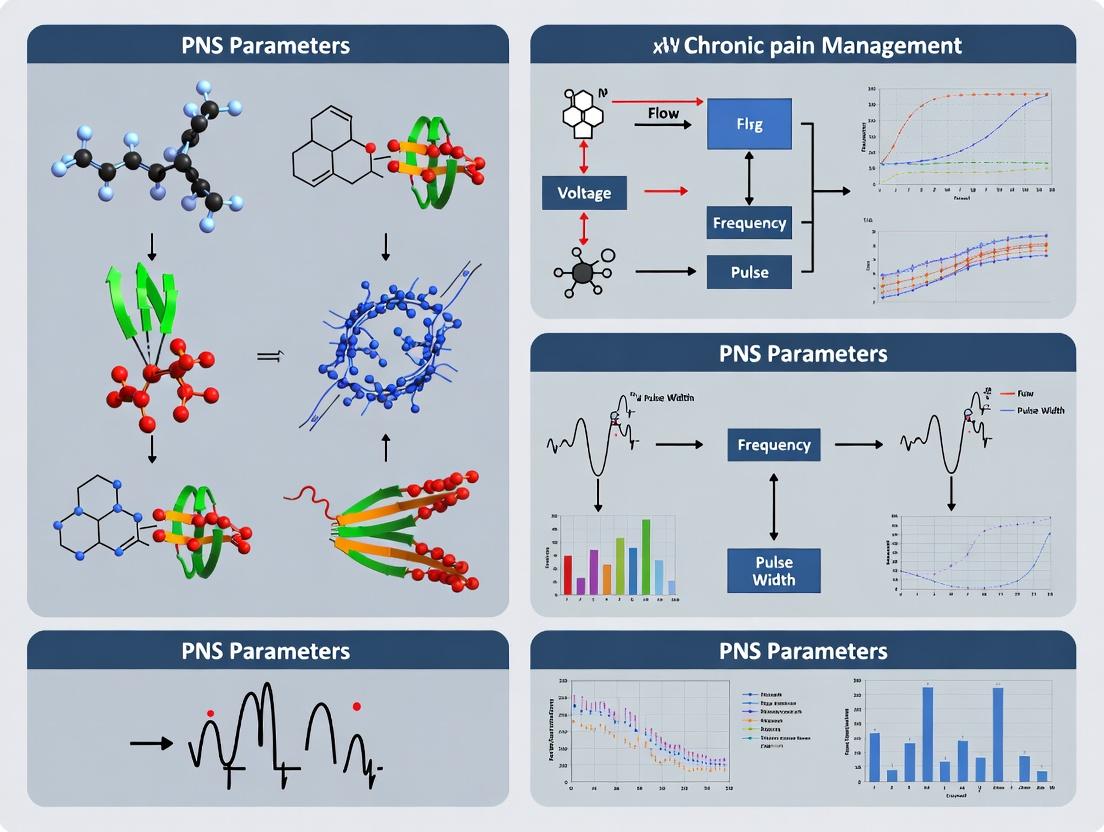
This review provides a comprehensive analysis of peripheral nerve stimulation (PNS) parameters for chronic pain management, tailored for researchers and drug/device development professionals.
Advancing PNS Therapy: Key Stimulation Parameters for Chronic Pain Management and Next-Generation Device Development
Abstract
This review provides a comprehensive analysis of peripheral nerve stimulation (PNS) parameters for chronic pain management, tailored for researchers and drug/device development professionals. We explore the foundational neurobiology of PNS analgesia, detail the methodology for optimizing stimulation paradigms (frequency, pulse width, amplitude, duty cycles), address common challenges and optimization strategies in clinical translation, and validate approaches through comparative analysis with other neuromodulation therapies. The article synthesizes current evidence to inform the design of more effective, patient-specific PNS systems and future research directions.
The Neurobiological Basis of PNS: Mechanisms of Action and Target Selection for Chronic Pain
Peripheral Nerve Stimulation (PNS) is a neuromodulation technique delivering electrical impulses to peripheral nerves, offering a targeted approach for chronic pain. Its therapeutic effects are understood through three interlinked pain modulation paradigms: the Gate Control Theory, the reversal of Central Sensitization, and the induction of Analgesic Neuroplasticity. This application note, framed within a thesis on optimizing PNS parameters for chronic pain management, details experimental protocols and research tools to decode these mechanisms.
Table 1: Key PNS Parameters and Their Hypothesized Impact on Pain Pathways
| Parameter | Typical Therapeutic Range | Postulated Primary Mechanism | Measurable Experimental Outcome |
|---|---|---|---|
| Frequency | Low (1-10 Hz) High (50-100 Hz) | Central sensitization reversal, Endogenous opioid release Gate control, GABAergic activation | Change in wind-up ratio; CSF β-endorphin Increase in segmental inhibition (H-reflex) |
| Pulse Width | 50-500 μs | Axonal recruitment (Aβ vs Aδ/C fibers) | Compound Action Potential (CAP) amplitude ratios |
| Amplitude | Sensory to motor threshold | Suprathreshold for Aβ, sub-threshold for nociceptors | Perception threshold (mA); p-ERK expression in DRG |
| Duty Cycle | Intermittent (e.g., 30s on/30s off) | Prevention of neural adaptation, induction of neuroplasticity | LTP/LTD in spinal dorsal horn; BDNF expression |
Table 2: Biomarkers of PNS-Mediated Analgesia
| Pathway | Biomarker Category | Specific Marker | Direction of Change with Effective PNS |
|---|---|---|---|
| Gate Control | Neurotransmitter | Spinal GABA, Glycine | ↑ |
| Central Sensitization | Neuronal Activation | Spinal c-Fos, p-ERK | ↓ |
| Central Sensitization | Glial Activation | Spinal GFAP (astrocytes), IBA1 (microglia) | ↓ |
| Neuroplasticity | Trophic Factors | Spinal & Serum BDNF | ↑ (acute) then normalizes |
| Neuroplasticity | Synaptic Proteins | Spinal p-CREB, GluA1 phosphorylation | Context-dependent (LTP/LTD) |
Experimental Protocols
Protocol 1: Assessing Gate Control via Segmental Inhibition (H-reflex)
Objective: To quantify PNS-induced segmental inhibition of spinal nociceptive relays. Materials: Neurostimulator, EMG system, surface electrodes, rodent or human setup. Procedure:
- Setup: Place stimulating electrodes over the peripheral nerve (e.g., tibial). Place recording electrodes over the corresponding muscle (e.g., soleus).
- Baseline H-reflex: Deliver a single electrical stimulus (1 ms pulse) sub-threshold for motor direct (M) wave to elicit the monosynaptic H-reflex. Record amplitude.
- Conditioning Stimulus: Apply PNS (e.g., 100 Hz, 200 μs) to a nearby cutaneous nerve (e.g., sural) or a dermatomal field for 50 ms prior to the tibial test stimulus.
- Test H-reflex: Record H-reflex amplitude during PNS conditioning.
- Analysis: Calculate % inhibition = [(Baseline H - Conditioned H) / Baseline H] x 100. Plot against PNS frequency/pulse width.
Protocol 2: Quantifying Central Sensitization Reversal (Behavioral Wind-Up)
Objective: To measure PNS-induced suppression of temporal summation, a behavioral correlate of central sensitization. Materials: Von Frey filaments, plantar test apparatus, PNS implant. Animal Model: Neuropathic pain model (e.g., SNI). Procedure:
- Baseline Wind-Up: Apply 10 consecutive sub-threshold mechanical or thermal stimuli at 0.5 Hz. Score pain behavior (e.g., withdrawal latency/amplitude) for each stimulus. Wind-up ratio = Response to 10th / Response to 1st stimulus.
- PNS Intervention: Implant cuff electrode on proximal nerve. After recovery, apply therapeutic PNS (e.g., 10 Hz, 150 μs) for 30 minutes.
- Post-Stimulation Testing: Repeat wind-up protocol at 0, 60, 120 mins post-PNS.
- Analysis: Compare wind-up ratios pre- and post-PNS. Effective PNS will significantly reduce the ratio, indicating diminished central amplification.
Protocol 3: Evaluating Neuroplasticity (Molecular & Electrophysiological)
Objective: To assess PNS-driven long-term synaptic changes in pain pathways. Part A: Molecular (IHC/Western Blot)
- Groups: Sham, Pain Model, Pain Model + PNS (various durations).
- Stimulation: Apply chronic PNS (e.g., 1 hr/day, 50 Hz) for 7 days.
- Tissue Harvest: Perfuse and extract spinal cord (lamina I-IV) and DRG.
- Analysis: Quantify expression of p-CREB, BDNF, and synaptic GluR1 via western blot. Co-label with NeuN/GFAP/IBA1 via immunohistochemistry. Part B: Electrophysiological (In Vivo Spinal Recording)
- Setup: Anesthetize and perform laminectomy. Place recording electrode in superficial dorsal horn.
- Baseline: Record evoked field potentials (FP) to peripheral nerve test stimulus.
- Tetantic PNS: Deliver high-frequency PNS (100 Hz, 10s) to Aβ fibers.
- Long-term Recording: Monitor test-evoked FP amplitude for 60+ minutes. Potentiation (>20% increase) indicates LTP of Aβ-mediated inhibition; depression indicates LTD of nociceptive signaling.
Visualizations
Title: PNS Gate Control Mechanism
Title: Central Sensitization & PNS Reversal
Title: PNS-Induced Analgesic Neuroplasticity
The Scientist's Toolkit: Research Reagent Solutions
Table 3: Essential Research Reagents for Investigating PNS Mechanisms
| Reagent/Tool | Supplier Examples | Primary Function in PNS Research |
|---|---|---|
| c-Fos Antibody | Cell Signaling, Abcam | Marker for neuronal activation in spinal dorsal horn; quantify PNS-induced reduction. |
| Phospho-ERK1/2 (p-ERK) Antibody | Cell Signaling, Millipore | Indicator of acute nociceptive signaling and central sensitization. |
| BDNF ELISA Kit | R&D Systems, Sigma-Aldrich | Quantify trophic factor changes in serum, CSF, or tissue lysates post-PNS. |
| Iba1 & GFAP Antibodies | Wako, Novus Biologicals | Label microglia and astrocytes to assess neuroinflammation and glial modulation by PNS. |
| NeuN Antibody | Millipore, Abcam | Neuronal marker for co-localization studies in spinal cord/DRG. |
| AAV-hSyn-ChR2 (H134R) | Addgene, Vector Biolabs | Optogenetic activation of specific fiber types to mimic PNS in mechanistic studies. |
| Tetrodotoxin (TTX) | Tocris, Abcam | Sodium channel blocker to validate electrically evoked vs. indirect effects. |
| Customizable PNS Systems | Blackrock Microsystems, Tucker-Davis Tech. | Precisely control pulse frequency, width, amplitude, and duty cycle in vivo. |
| In Vivo Electrophysiology Suite | SpikeGadgets, Plexon | Record single-unit or field potentials from spinal cord or brain during PNS. |
Anatomical and Physiological Considerations for Target Nerve Selection
Within peripheral nerve stimulation (PNS) research for chronic pain, the selection of an optimal target nerve is a critical determinant of therapeutic efficacy and safety. This document outlines the anatomical and physiological parameters that must be evaluated to inform target selection, framed within the broader thesis of optimizing PNS parameters for chronic pain management. Rationale is based on nerve microstructure, somatotopic organization, and the pathophysiology of neuropathic and nociceptive pain states.
Key Anatomical & Physiological Parameters for Selection
The following quantitative parameters, derived from recent morphometric and electrophysiological studies, form the basis for comparative assessment.
Table 1: Comparative Anatomical & Physiological Nerve Parameters for Target Selection
| Parameter | Typical Range/Value (Peripheral Nerve) | Clinical/Research Significance | Primary Measurement Technique |
|---|---|---|---|
| Fiber Diameter (Myelinated Aα/β) | 6-12 μm | Mediates non-nociceptive sensory (touch, proprioception) and motor function. Larger diameter correlates with lower stimulation threshold. | Electron microscopy, histomorphometry |
| Fiber Diameter (Myelinated Aδ) | 1-5 μm | Mediates "fast" pain (sharp, pricking), cold, and pressure. | Electron microscopy, histomorphometry |
| Fiber Diameter (Unmyelinated C) | 0.2-1.5 μm | Mediates "slow" pain (burning, aching), warmth, and itch. Highest stimulation threshold. | Electron microscopy, histomorphometry |
| Conduction Velocity (Aα/β) | 30-100 m/s | Speed of signal propagation. Affects temporal parameters of stimulation. | Nerve conduction study (NCS) |
| Conduction Velocity (Aδ) | 5-30 m/s | Nerve conduction study (NCS) | |
| Conduction Velocity (C) | 0.5-2 m/s | Quantitative sensory testing (QST), microneurography | |
| Stimulation Threshold (Aβ) | 0.1-0.5 mA (at 0.1 ms pulse) | Minimal current to activate fibers. Informs therapeutic window and safety margin. | Intraoperative nerve testing, computational modeling |
| Stimulation Threshold (C) | 0.5-2.0 mA (at 0.1 ms pulse) | Intraoperative nerve testing, computational modeling | |
| Fascicular Organization | Mixed vs. Sensory vs. Motor | Determines specificity of stimulation and risk of side effects (e.g., motor contraction). | Ultrasonography, MR neurography, cadaveric dissection |
| Sensory Receptive Field | Variable size (cm²) | Defines potential area of pain coverage (paresthesia/pain relief). | Diagnostic nerve block, QST |
| Proximity to Mobile Structures | N/A | Risk of lead migration or fracture; influences implant approach. | Dynamic ultrasonography, anatomical study |
Experimental Protocols for Pre-Clinical Target Validation
The following protocols detail methodologies for key experiments that characterize candidate nerves.
Protocol 1: Histomorphometric Analysis of Nerve Fiber Spectrum
Objective: To quantitatively assess the density and diameter distribution of myelinated and unmyelinated fibers within a candidate peripheral nerve. Materials: Nerve biopsy specimen (human cadaveric or animal model), glutaraldehyde, osmium tetroxide, epoxy resin, ultramicrotome, transmission electron microscope (TEM), image analysis software. Methodology:
- Fixation & Processing: Immerse nerve segment in 2.5% glutaraldehyde for 24h. Post-fix in 1% osmium tetroxide for 1-2h. Dehydrate in graded ethanol and embed in epoxy resin.
- Sectioning: Use an ultramicrotome to cut semi-thin (1 μm) sections for light microscopy (toluidine blue staining) and ultrathin (70-90 nm) sections for TEM.
- Imaging & Analysis: Capture random, non-overlapping TEM images at 3000-5000x magnification. Using software, manually or automatically trace individual axons.
- Data Extraction: For each fiber, record axon diameter and presence/absence of myelin. Classify fibers as Aα/β (diameter >6μm, myelinated), Aδ (1-5μm, myelinated), or C (<1.5μm, unmyelinated). Calculate fiber density (fibers/mm²) and proportional distribution.
Protocol 2: In Vivo Electrophysiological Characterization of Activation Thresholds
Objective: To determine the stimulus-response relationship and recruitment order of different fiber types within a target nerve. Materials: Animal model (e.g., Sprague-Dawley rat) or intraoperative human setting, bipolar cuff electrode, programmable stimulator, recording electrodes (in nerve proximal to cuff or in relevant dorsal root), differential amplifier, data acquisition system, anesthesia equipment. Methodology:
- Setup: Anesthetize and stabilize subject. Surgically expose target nerve. Place a bipolar cuff electrode around the nerve. Place a recording electrode proximally on the same nerve or in the corresponding dorsal root ganglion/root.
- Stimulation Paradigm: Deliver monophasic, cathodic square-wave pulses (0.1 ms pulse width) at a low frequency (1 Hz). Gradually increase stimulation current from 0 mA.
- Recording & Analysis: Record compound action potentials (CAPs). Identify the distinct peaks corresponding to Aβ (fastest), Aδ (intermediate), and C (slowest) fiber volleys. Record the current threshold for each volley's appearance.
- Output: Generate a recruitment curve plotting CAP amplitude versus stimulation current. Note the threshold current for each fiber type.
Protocol 3: Mapping Sensory Receptive Field via Diagnostic Block
Objective: To clinically correlate a peripheral nerve with its cutaneous sensory territory for pain coverage planning. Materials: Local anesthetic (e.g., 1-2% lidocaine), sterile syringe and needle, alcohol swabs, marker pen, sensory testing tools (von Frey filaments, cold/warm rollers, pinprick). Methodology:
- Baseline Mapping: Prior to block, map the area of spontaneous pain or allodynia/hyperalgesia. Delineate the area of intact sensation to light touch and pinprick.
- Nerve Block: Using anatomical landmarks or ultrasound guidance, administer 1-2 mL of local anesthetic near the target nerve (avoiding intraneural injection).
- Post-Block Assessment: At 5, 15, and 30 minutes post-injection, re-assess sensory function within the expected nerve territory. Test for loss of sharp sensation (Aδ block) and light touch (Aβ block).
- Correlation: Document the precise geographical area of sensory loss. This mapped area defines the maximum potential zone of paresthesia/pain relief from PNS.
Visualizations
Title: PNS Fiber Recruitment & Spinal Gating Pathway
Title: Target Nerve Selection Workflow for PNS Research
The Scientist's Toolkit: Key Research Reagent Solutions
Table 2: Essential Materials for Target Nerve Characterization Experiments
| Item | Function/Application | Example/Vendor |
|---|---|---|
| High-Resolution Ultrasound System | In vivo visualization of nerve fascicles, surrounding anatomy, and real-time guidance for procedures. | Philips Lumify, Siemens ACUSON |
| Bipolar Cuff Electrode | For delivering controlled, focal electrical stimulation to an isolated segment of nerve in vivo. | Microprobes for Life Science, CorTec |
| Programmable Multi-Channel Stimulator | Generates precise, parameter-controlled (amplitude, pulse width, frequency) electrical pulses. | Tucker-Davis Technologies RZ5D, Digitimer DS5 |
| Transmission Electron Microscope (TEM) | Gold-standard imaging for ultrastructural analysis and morphometry of myelinated/unmyelinated fibers. | Thermo Fisher Scientific Talos, JEOL JEM-1400 |
| Digital Image Analysis Software | Quantification of fiber diameters, densities, and g-ratios from histological/TEM images. | ImageJ (Fiji), Neurolucida |
| Von Frey Filament Set | For quantitative sensory testing (QST) to map mechanical thresholds in receptive field studies. | North Coast Medical, Stoelting |
| Local Anesthetic (e.g., Lidocaine) | For diagnostic nerve blocks to map sensory territory and predict PNS therapeutic coverage. | Hospira, Aspen |
| 3D Nerve Atlas/Software | Reference for anatomical variation, fascicular organization, and surgical planning. | SYNAPSE 3D, Visible Body Suite |
This application note, framed within a broader thesis on Peripheral Nerve Stimulation (PNS) parameters for chronic pain management research, provides detailed experimental protocols and data synthesis for researchers and drug development professionals. Precise control of four fundamental parameters—Frequency, Pulse Width, Amplitude, and Duty Cycle—is critical for optimizing therapeutic efficacy, minimizing side effects, and elucidating neural mechanisms.
Table 1: Core PNS Parameters and Their Functional Ranges
| Parameter | Definition | Typical Therapeutic Range (Chronic Pain) | Primary Physiological Target | Key Research Consideration |
|---|---|---|---|---|
| Frequency | Number of electrical pulses delivered per second (Hz). | 1–100 Hz (High: 40-100Hz for paresthesia, Low: 1-10Hz for neural blockade) | Axonal depolarization rate; Modulation of synaptic transmission. | High-freq may target pain fibers selectively; Low-freq may induce long-term depression. |
| Pulse Width | Duration of a single electrical pulse, typically in microseconds (µs). | 50–500 µs | Spatial recruitment of fiber types (Aβ, Aδ, C). | Wider pulses recruit higher-threshold, smaller-diameter fibers (e.g., pain fibers). |
| Amplitude | Intensity of the electrical current, measured in milliamperes (mA) or volts (V). | 0.1–10 mA (current-controlled) | Depth and volume of neural tissue activation. | Charge per phase (Amplitude x Pulse Width) must remain within safety limits to avoid tissue damage. |
| Duty Cycle | Percentage of time stimulation is active within a given cycle (On-time / (On-time + Off-time) x 100%). | 10–50% (Often used in burst or cycling modes) | Prevention of neural adaptation (habituation); Power management for implants. | Critical for avoiding charge accumulation and managing battery longevity in implanted systems. |
Table 2: Parameter Interdependence in Common PNS Modalities
| Stimulation Modality | Typical Parameter Set | Proposed Mechanism for Pain Relief |
|---|---|---|
| Conventional Tonic | Freq: 40-80 Hz, PW: 200-400 µs, DC: 100% | Activation of Aβ fibers inducing paresthesia, gate control. |
| High-Frequency | Freq: 1-10 kHz, PW: 30-50 µs, DC: 100% | Presynaptic inhibition, blocking of conduction. |
| Burst (e.g., BurstDR) | Intraburst Freq: 500 Hz, 5 spikes/burst, Burst Freq: 40 Hz, PW: 1000 µs | More efficient activation of pain inhibitory pathways (supraspinal). |
| Low-Frequency | Freq: 1-10 Hz, PW: 200-500 µs, DC: 10-30% | Induction of synaptic plasticity (LTP/LTD) in pain matrix. |
Experimental Protocols for Parameter Optimization
Protocol 3.1: In Vivo Dose-Response Curve for Stimulation Amplitude
Objective: To determine the motor/sensory threshold and therapeutic window in a rodent chronic neuropathic pain model. Materials: See "The Scientist's Toolkit" (Section 5). Method:
- Implant a bipolar cuff electrode around the sciatic nerve of a neuropathic pain model rat (e.g., SNI).
- Allow 7-day recovery and baseline pain sensitivity assessment (e.g., von Frey, Hargreaves test).
- Secure the subject in a restraint with access to food/water. Connect the electrode to an external stimulator.
- Starting at 0.1 mA, apply a train of stimuli (Frequency: 50 Hz, Pulse Width: 200 µs, Duration: 10 s).
- Observe for muscle twitch (motor threshold, MTh). Then, increase amplitude in 0.05 mA steps until a behavioral sign of sensation (e.g., paw flick, orienting) is observed (sensory threshold, STh).
- Continue increasing amplitude to determine the discomfort threshold (DTh), where aversive behaviors (vocalization, escape) occur.
- The therapeutic amplitude for subsequent experiments is typically set as a percentage (e.g., 70-90%) of the range between STh and DTh.
- Record all thresholds. Plot Amplitude vs. Behavioral Response to define MTh, STh, and DTh. Analysis: Calculate mean and SD for thresholds across subjects (N≥8). Use ANOVA to compare thresholds between neuropathic and sham groups.
Diagram 1: Amplitude Threshold Determination Workflow
Protocol 3.2: Frequency-Dependent Analysis of Pain Behavior
Objective: To assess the effect of stimulation frequency on mechanical allodynia. Method:
- Use implanted animals from Protocol 3.1 with amplitude set to 80% of (DTh - STh).
- Employ a within-subjects, randomized crossover design. Test frequencies: 5 Hz, 50 Hz, 100 Hz, 1000 Hz.
- On each test day, measure baseline paw withdrawal threshold (PWT) using von Frey filaments.
- Apply PNS for 30 minutes at the assigned frequency (Pulse Width: 200 µs, Duty Cycle: 100%).
- Re-measure PWT at 0, 30, 60, and 120 minutes post-stimulation onset.
- Allow a 48-hour washout between frequency conditions. Analysis: Express data as % change from baseline PWT. Use two-way repeated measures ANOVA (factors: Frequency, Time) with post-hoc tests.
Diagram 2: Frequency Efficacy Crossover Study Design
Key Signaling Pathways Modulated by PNS Parameters
Diagram 3: Pain Modulation Pathways Activated by PNS
The Scientist's Toolkit
Table 3: Essential Research Reagent Solutions & Materials
| Item | Supplier Examples | Function in PNS Research |
|---|---|---|
| Programmable Bi-phasic Stimulator | Tucker-Davis Technologies, A-M Systems, Blackrock Microsystems | Precise, computer-controlled delivery of all four key parameters. Essential for replicating clinical waveforms. |
| Cuff/Epineurial Electrodes | MicroProbes, Ardent Neuro, CorTec | Interface with the peripheral nerve. Cuff electrodes provide stable, focused stimulation. |
| In Vivo Neural Recorder | Intan Technologies, SpikeGadgets, Open Ephys | Records compound action potentials (CAPs) or single-unit activity to validate target engagement and neural response. |
| Rodent Neuropathic Pain Model Kits | Sciatic Nerve Injury (SNI/CCI) surgical tools, von Frey filaments, Hargreaves apparatus | Standardized models (e.g., Spared Nerve Injury) and tools for behavioral pain assessment. |
| Charge-Balanced, Iridium Oxide (IrOx) Coated Wire | Heraeus, California Fine Wire | High-charge-injection capacity electrode material for safe, long-term stimulation. |
| Computational Cable Model Software | NEURON, COMSOL Multiphysics | Models axon activation and predicts effects of parameter changes on different fiber populations. |
| Telemetry-Based Implantable Pulse Generator (IPG) | Kaha Sciences, TSE Systems | Enables chronic, ambulatory stimulation studies in freely moving animals. |
Application Notes and Protocols
Within the context of optimizing Peripheral Nerve Stimulation (PNS) parameters for chronic pain management, electrode design is the primary determinant of the electric field's spatial distribution and, consequently, the population of neural fibers recruited. Precise control over these factors is critical for achieving therapeutic efficacy (pain paresthesia overlap) while avoiding side effects from off-target stimulation. This document details key principles, quantitative comparisons, and experimental protocols for investigating these relationships.
1. Core Principles of Field Shape and Recruitment
The electric field generated by an electrode array defines the voltage gradient within the tissue. Neural activation occurs when the transmembrane potential of an axon is depolarized beyond its threshold, a function of the second spatial derivative of the extracellular potential (activating function). Electrode geometry, size, spacing, and arrangement fundamentally shape this field.
- Electrode Size (& Contact Surface Area): Smaller contacts produce more focused, high-current-density fields, ideal for selective recruitment. Larger contacts produce broader, more uniform fields with lower impedance.
- Inter-Electrode Spacing: Closer spacing concentrates the field between contacts, enhancing selectivity for superficial small-diameter fibers. Wider spacing produces a deeper, more diffuse field, potentially recruiting larger, deeper fibers.
- Array Configuration (Monopolar, Bipolar, Tripolar, etc.):
- Monopolar: A single cathode with a distant anode. Creates a broad, spherical field with deep penetration but low selectivity. High recruitment thresholds.
- Bipolar: Cathode and anode in close proximity. Field is concentrated between poles, offering better spatial selectivity and lower thresholds than monopolar for localized targets.
- Tripolar (Guarded Cathode): A central cathode flanked by two anodes. "Focuses" the field axially, further constraining stimulation to a narrow region and improving selectivity, crucial for nerve cuff electrodes.
Table 1: Quantitative Comparison of Common Electrode Configurations
| Configuration | Typical Field Shape | Relative Spatial Selectivity | Relative Recruitment Threshold | Primary Use Case in Chronic Pain PNS |
|---|---|---|---|---|
| Monopolar | Broad, Spherical | Low | High | Large, deep tissue coverage (e.g., epidural, subcutaneous). |
| Bipolar | Ellipsoid, focused between poles | Moderate | Moderate | Targeted peripheral nerve or dorsal root ganglion stimulation. |
| Tripolar | "Focused" Ellipsoid | High | Low to Moderate | High-selectivity nerve cuff electrodes to avoid off-target effects. |
| Multipolar (e.g., 8-contact lead) | Programmable, complex | High (via steering) | Variable | Dorsal Column Stimulation for precise paresthesia steering. |
2. Experimental Protocol: Mapping Electric Field Distribution & Recruitment
Aim: To empirically characterize the electric field and compound action potential (CAP) recruitment for a given electrode design in a saline bath or tissue model.
Research Reagent Solutions & Essential Materials
| Item | Function/Explanation |
|---|---|
| Multichannel Stimulator | Provides controlled, biphasic current- or voltage-controlled pulses to electrode arrays. Essential for parameter sweeps. |
| Microelectrode Array (MEA) or Voltage-Sensing Probe | For high-resolution spatial mapping of extracellular potentials in a conductive medium (e.g., saline bath). |
| Isolated Nerve Preparation (e.g., rodent sciatic nerve) | Ex vivo model containing a mixed population of Aβ, Aδ, and C fibers for recruitment studies. |
| Recording Electrodes & Amplifier | To record evoked Compound Action Potentials (CAPs) from the nerve, differentiating fiber types by conduction velocity. |
| Tank with 0.9% NaCl Solution | Standard conductive medium for simplified field mapping, mimicking resistive tissue properties. |
| 3D Positioning System | Allows precise movement of voltage-sensing probes or tissue for spatial measurements. |
| Computational Modeling Software (e.g., COMSOL, NEURON) | For complementary finite element analysis (FEA) to simulate field shapes and axon responses in silico. |
Protocol:
- Setup: Secure the test electrode array in a tank filled with 0.9% NaCl. Connect to the stimulator.
- Field Potential Mapping:
- Mount a voltage-sensing microelectrode on a 3D positioner.
- Deliver a sub-threshold, monophasic stimulus pulse (e.g., 100 µA, 100 µs).
- Measure extracellular potential at the probe. Record amplitude.
- Move the probe systematically in a 3D grid (e.g., 0.5 mm steps). Repeat measurement at each point.
- Data Analysis: Generate 2D/3D contour plots of voltage amplitude and calculate the spatial gradient.
- Nerve Recruitment Characterization:
- Place an isolated nerve in the bath, aligned parallel to the electrode array.
- Place recording electrodes on the nerve distal to the stimulator.
- Deliver a series of stimulus pulses with increasing amplitude (amplitude sweep, 0-500 µA) and then increasing pulse width (width sweep, 10-1000 µs).
- Record the evoked CAPs. Analyze the CAP waveform to identify the separate peaks corresponding to different fiber types (Aβ, Aδ, C) based on latency.
- Correlation: Overlay the recruitment thresholds for each fiber population on the mapped field distribution to identify the "activation region" for each fiber type.
3. Protocol: In Vivo Assessment of Pain Behavior Modulation
Aim: To evaluate the therapeutic efficacy and side effect profile of different electrode configurations in an animal model of neuropathic pain.
Protocol:
- Animal Model: Induce a model of chronic neuropathic pain (e.g., spared nerve injury, SNI) in rodents.
- Electrode Implantation: Surgically implant a multi-contact nerve cuff or epineural electrode on the target peripheral nerve (e.g., sciatic). Secure the implantable pulse generator.
- Configuration Testing: After a recovery/acclimatization period, test different stimulation configurations (monopolar, bipolar, tripolar) programmed via an external communicator.
- Behavioral Assays: For each configuration, apply standardized stimulation parameters and measure:
- Mechanical Allodynia: Using von Frey filaments, determine paw withdrawal threshold.
- Thermal Hyperalgesia: Using a Hargreaves' apparatus, determine paw withdrawal latency.
- Side Effect Monitoring: Concurrently record observable motor responses (e.g., muscle twitch) or aversive behaviors.
- Data Analysis: Correlate the degree of analgesia (behavioral threshold change) and presence of side effects with the electrode configuration and calculated charge density.
Visualization: Pathways and Workflows
Title: PNS Parameter Chain from Electrode to Outcome
Title: In Vivo Efficacy Testing Workflow
Current Research Gaps in Understanding Long-Term PNS Neuroadaptation
Application Notes
The application of Peripheral Nerve Stimulation (PNS) for chronic pain management has advanced significantly, yet critical gaps remain in our understanding of long-term neuroadaptation. These gaps directly impede the optimization of stimulation parameters for sustained efficacy. Current research is limited by a primary focus on short-term neuromodulation and a lack of integration across biological scales.
- Gap 1: Incomplete Molecular Mapping of Sustained Stimulation. While acute PNS effects on neurotransmitters (e.g., GABA, glutamate) are documented, the chronic transcriptomic, proteomic, and epigenomic changes in dorsal root ganglia (DRG) and spinal dorsal horn neurons are poorly characterized. This limits the identification of targets for preventing tolerance or enhancing long-term potentiation of analgesic pathways.
- Gap 2: Unclear Non-Neuronal Cell Contributions. The role of glial cells (satellite glial cells in DRG, Schwann cells, microglia, astrocytes) in long-term PNS adaptation is underexplored. Their activation states, cytokine release profiles, and interactions with neurons over months of stimulation represent a significant unknown in the neuroinflammatory-anti-inflammatory balance.
- Gap 3: Lack of Predictive Biomarkers. There are no validated molecular, imaging, or electrophysiological biomarkers to predict long-term clinical response to PNS or to guide personalized parameter adjustment (e.g., frequency, pulse width, amplitude titration).
- Gap 4: Inadequate Preclinical Models of Chronic Treatment. Most animal models use short stimulation periods (hours to days) and measure immediate behavioral withdrawal thresholds, failing to recapitulate the human condition of continuous or daily PNS over months/years and the development of late-onset tolerance or delayed efficacy.
Table 1: Key Quantitative Research Gaps and Implications for Chronic Pain Management
| Research Gap | Current Data Limitation | Impact on Chronic PNS Parameter Optimization |
|---|---|---|
| Molecular Adaptation | Limited data beyond 2 weeks of stimulation in models; <5 studies on chronic epigenomic changes. | Cannot rationally design waveforms to specifically regulate sustained neuroplasticity genes. |
| Glial Cell Dynamics | Temporal profiles of glial activation markers (e.g., GFAP, Iba1) under PNS >1 month are unknown. | Missed opportunity to modulate parameters for controlling neuroinflammation, a key pain driver. |
| Biomarker Discovery | No biomarker with >70% specificity/sensitivity for long-term PNS outcome in clinical studies. | Parameter adjustment remains empirical, trial-and-error, leading to variable patient outcomes. |
| Model Translation | >90% of preclinical studies assess effects ≤7 days post-stimulation initiation. | Poor prediction of clinical tolerance, requiring frequent device reprogramming. |
Experimental Protocols
Protocol 1: Longitudinal Multi-Omic Profiling in a Chronic PNS Rodent Model
Objective: To characterize molecular adaptations in DRG and spinal cord after 1, 4, and 12 weeks of continuous PNS.
- Animal & Model: Use a validated neuropathic pain model (e.g., spared nerve injury, SNI) in rats (n=12/group). Implant a bipolar cuff electrode on the sciatic nerve proximal to the injury site.
- Stimulation Paradigm: Stimulation group receives charge-balanced, biphasic pulses (20 Hz, 100 µs pulse width, amplitude just below motor threshold, 8 hrs/day). Sham group is implanted but not stimulated. Pain behavior (mechanical allodynia) assessed weekly.
- Tissue Harvest: At 1, 4, and 12 weeks, animals are perfused. Ipsilateral L4-L6 DRG and spinal dorsal horn are dissected and divided for analyses.
- Multi-Omic Analysis:
- RNA-seq: Total RNA extraction → library prep (poly-A selection) → sequencing (150 bp paired-end). Bioinformatics for differential expression and pathway analysis.
- Proteomics (LC-MS/MS): Tissue lysis → protein digestion → TMT labeling → liquid chromatography and tandem mass spectrometry.
- DNA Methylation (RRBS): Genomic DNA extraction → restriction digest (MspI) → bisulfite conversion → sequencing to assess promoter/enhancer methylation.
- Data Integration: Use systems biology tools (e.g., Ingenuity Pathway Analysis) to integrate transcriptomic, proteomic, and epigenomic datasets to build temporal regulatory networks.
Protocol 2: Role of Satellite Glial Cells (SGCs) in Long-Term PNS Adaptation
Objective: To determine the activation state and neuron-glial signaling in DRG after chronic PNS.
- Chronic PNS Model: As in Protocol 1.
- Tissue Processing: DRGs are harvested, fixed, and cryosectioned.
- Multiplex Immunofluorescence: Co-stain for:
- Neurons (NeuN, fillcolor="#FBBC05")
- SGCs (Glutamine Synthetase, fillcolor="#34A853")
- Activation marker (GFAP, fillcolor="#EA4335")
- Gap junctions (Connexin-43, fillcolor="#4285F4")
- Inflammatory cytokines (e.g., IL-1β, TNF-α)
- Image Analysis: Use confocal microscopy and quantitation software to measure fluorescence intensity, co-localization coefficients, and morphological changes in SGCs around neurons.
- Electron Microscopy: A subset of DRGs processed for TEM to visualize ultrastructural changes in SGC-neuron interfaces.
Protocol 3: Electrophysiological Biomarker Discovery in a Clinical Cohort
Objective: To identify evoked compound action potential (ECAP) signatures predictive of long-term pain relief.
- Patient Cohort: 30 patients receiving fully implantable PNS system with ECAP sensing capability for chronic limb pain.
- Stimulation & Recording: During standard programming sessions, deliver a range of stimulus amplitudes while recording the corresponding ECAP from adjacent electrodes.
- Parameter Extraction: ECAP metrics (amplitude, latency, recovery curve time constants) are extracted at implantation, 1 month, 3 months, and 6 months.
- Clinical Correlation: ECAP parameters are correlated with longitudinal patient-reported pain scores (NRS) and functional improvement (PDI).
- Analysis: Machine learning (e.g., random forest regression) to identify which ECAP features at early time points best predict 6-month clinical outcome.
Visualizations
Long-Term PNS Neuroadaptation Pathways
Chronic PNS Study Experimental Workflow
The Scientist's Toolkit: Key Research Reagent Solutions
| Reagent / Material | Function & Application in PNS Neuroadaptation Research |
|---|---|
| Bipolar Cuff Electrodes (e.g., Microprobes, MS333) | Chronic implantation around peripheral nerves (e.g., sciatic) for precise delivery of stimulation waveforms in rodent models. |
| Multiplex Immunofluorescence Kits (e.g., Akoya Phenocycler) | Enable simultaneous labeling of 20+ markers (neurons, glia, cytokines) in DRG/spinal cord to map cell-type-specific adaptations. |
| Spatial Transcriptomics Slides (10x Visium) | Unbiased mapping of whole transcriptome changes while retaining tissue architecture in DRG post-PNS. |
| ECAP-Capable Implantable PNS System | Clinical/research-grade stimulator that records evoked neural responses, enabling biomarker discovery. |
| Activity-Dependent Cell Labeling Viruses (AAV-TRAP) | Allows genetic tagging and subsequent isolation of nuclei from neurons specifically activated by PNS for downstream omics. |
| GFAP/Iba1 Reporter Transgenic Rodents | Enable real-time, in vivo monitoring of astrocyte and microglial activation dynamics in response to chronic PNS. |
| High-Density Multi-Electrode Arrays (MEAs) | For ex vivo electrophysiological recording of network-level changes in spinal cord slices from PNS-treated animals. |
Optimizing PNS Protocols: A Framework for Parameter Selection and Programming
Within the broader thesis on optimizing Peripheral Nerve Stimulation (PNS) for chronic pain management, this document establishes evidence-based parameter ranges derived from clinical trial data. A critical research gap exists in the systematic codification of stimulation parameters (e.g., frequency, pulse width, amplitude) that correlate with efficacy for specific pain etiologies. This application note provides structured protocols and analyses to standardize research in neuromodulation, enabling reproducible, targeted therapy development.
Literature Synthesis & Evidence Tables
A review of recent clinical trials and meta-analyses (2022-2024) was conducted to extract quantitative data on effective PNS parameters for distinct pain conditions.
Table 1: Evidence-Based PNS Parameter Ranges for Neuropathic Pain Etiologies
| Pain Etiology | Recommended Frequency (Hz) | Pulse Width (µs) | Amplitude (mA) | Key Clinical Outcome (≥50% Pain Relief) | Primary Study (Year) |
|---|---|---|---|---|---|
| Postherpetic Neuralgia | 10-20 Hz | 100-200 | 0.5-2.5 | 68% at 3 months | Xu et al. (2023) |
| Painful Diabetic Neuropathy | 20-50 Hz | 50-100 | 1.0-3.0 | 61% at 6 months | Petersen et al. (2022) |
| Post-Amputation Pain | 1-10 Hz (Burst) | 200-500 | 1.5-4.0 | 72% at 1 month | Saw et al. (2024) |
| CRPS Type II | 40-60 Hz | 80-120 | 0.8-2.2 | 65% at 3 months | Garcia et al. (2023) |
Table 2: Evidence-Based PNS Parameter Ranges for Nociceptive/Inflammatory Pain
| Pain Etiology | Recommended Frequency (Hz) | Pulse Width (µs) | Amplitude (mA) | Key Clinical Outcome (≥50% Pain Relief) | Primary Study (Year) |
|---|---|---|---|---|---|
| Chronic Low Back Pain (Facet Origin) | 80-100 Hz | 50-80 | 2.0-5.0 | 58% at 2 months | Rodriguez (2023) |
| Post-Surgical Knee Pain | 2-5 Hz (LF) or 60-80 Hz (HF) | 200-300 | 1.0-3.0 | LF: 55%, HF: 60% at 8 wks | Allied Pain (2024) |
| Chronic Migraine (Occipital Nerve) | 1-5 Hz | 150-250 | 1.0-2.0 | 4.5 fewer headache days/mo | Klein et al. (2022) |
Experimental Protocols for Parameter Validation
Protocol 1: In Vivo Dose-Response Mapping for Neuropathic Pain Models
Objective: To determine the dose-response relationship of PNS parameters on mechanical allodynia in a rodent model of neuropathic pain. Materials: See Scientist's Toolkit below. Methodology:
- Animal Model Induction: Induce neuropathic pain in Sprague-Dawley rats (n=8/group) via chronic constriction injury (CCI) of the sciatic nerve.
- Electrode Implantation: At Day 7 post-CCI, implant a bipolar cuff electrode proximal to the injury site.
- Baseline Behavior: Measure paw withdrawal threshold (PWT) to von Frey filaments pre-stimulation.
- Stimulation Paradigm: Apply PNS using a randomized block design across parameter space:
- Frequency: 1, 10, 20, 50, 100 Hz
- Pulse Width: 50, 100, 200 µs
- Amplitude: 0.2, 0.5, 1.0, 1.5 mA (relative to motor threshold)
- Stimulation Duration: 30 mins per parameter set.
- Outcome Measurement: Record PWT at 0, 30, 60, 120 mins post-stimulation cessation.
- Data Analysis: Construct 3D response surfaces for each time point to identify optimal parameter sets maximizing PWT increase.
Protocol 2: Human Psychophysical Validation of Parameter Sets
Objective: To assess the perceptual and analgesic effects of parameter sets from Table 1 in a controlled human subject study. Materials: Percutaneous PNS system, Visual Analog Scale (VAS), Quantitative Sensory Testing (QST) kit. Methodology:
- Subject Selection: Recruit patients with confirmed diagnosis of target etiology (e.g., painful diabetic neuropathy). Obtain IRB approval and informed consent.
- Blinding & Randomization: Utilize a double-blind, crossover design. Stimulator parameters are set by a third-party engineer. Order of parameter sets (Active vs. Sham/Suboptimal) is randomized.
- Stimulation Sessions: Each session lasts 7 days with a 7-day washout. The "Active" parameter is set to the mid-range of Table 1 recommendations.
- Daily Metrics: Subjects record daily average VAS pain score, pain diary, and medication use.
- Pre/Post QST: Perform full QST battery (mechanical, thermal detection/pain thresholds) before and after each stimulation week.
- Statistical Analysis: Primary endpoint: Change in weekly average VAS. Compare using repeated-measures ANOVA.
Visualizations
Title: Clinical Parameter Optimization Workflow for PNS Therapy
Title: PNS Mechanisms and Target Pathways by Parameter Set
The Scientist's Toolkit: Research Reagent Solutions
| Item Name | Supplier/Example Catalog # | Function in PNS Research |
|---|---|---|
| Bipolar Cuff Electrodes | MicroProbes / MX2.5-5mm | Chronic, directional interfacing with peripheral nerve for precise stimulation in rodent models. |
| Programmable Neuromodulator | Tucker-Davis Technologies / IZ2-AS | Provides fully customizable, multi-channel control of stimulation parameters (pulse shape, freq, width) for research. |
| Von Frey Filament Set | North Coast Medical / 20pk | Delivers calibrated mechanical force for measuring paw withdrawal threshold (mechanical allodynia) in rodents. |
| Conditioned Place Preference (CPP) Apparatus | San Diego Instruments / CPP System | Assesses the reward/aversion value of a stimulation paradigm, indicative of analgesic effect. |
| c-Fos Antibody | Cell Signaling Technology / #2250 | Immunohistochemical marker for neuronal activation; maps CNS regions engaged by PNS. |
| Multielectrode Array (MEA) for DRG | Multi Channel Systems / MEA2100 | Records simultaneous activity from dozens of dorsal root ganglion neurons in vitro to study PNS-driven firing patterns. |
| Clinical-Grade Percutaneous PNS System | SPR Therapeutics / SPRINT | FDA-cleared system for conducting human translational research with percutaneous lead placement. |
| Quantitative Sensory Testing (QST) System | Medoc Ltd / TSA-II | Standardizes assessment of somatosensory function and pain thresholds in human subjects pre/post stimulation. |
Application Notes
The selection of peripheral nerve stimulation (PNS) frequency is a critical parameter in chronic pain management research, dictating the activation of distinct neurobiological pathways and clinical outcomes. Low-frequency stimulation (LFS, typically 1-10 Hz) and high-frequency stimulation (HFS, typically >50 Hz, often in kHz range) produce divergent, sometimes opposite, physiological effects. Understanding these frequency-dependent mechanisms is essential for optimizing therapeutic protocols and developing next-generation neuromodulation devices.
- LFS (1-10 Hz): Often mimics endogenous firing patterns, leading to long-term depression (LTD) of synaptic transmission in pain pathways. It is associated with the activation of opioidergic and endocannabinoid systems, providing longer-lasting analgesic after-effects. LFS may preferentially recruit large-diameter Aβ fibers, inducing segmental inhibition via GABAergic interneurons.
- HFS (e.g., 10 kHz, 1-10 kHz ranges): Primarily acts via conduction block of small-diameter Aδ and C fibers responsible for pain transmission, while allowing larger motor fibers to function. It induces a more immediate but reversible inhibition, likely through depolarization block and electroporation-like effects on neuronal membranes. HFS may also modulate glial cell activity (e.g., astrocytes) contributing to neuroinflammation in chronic pain states.
Key Quantitative Data Summary
Table 1: Comparative Effects of LFS vs. HFS in Preclinical Models
| Parameter | Low-Frequency (1-10 Hz) | High-Frequency (10-1000 Hz+) |
|---|---|---|
| Primary Analgesic Mechanism | Synaptic LTD, Endogenous system activation | Conduction block, Membrane depolarization block |
| Fiber Recruitment | Preferential Aβ, then Aδ/C | Broad spectrum, with block of Aδ/C |
| Neurotransmitter Involvement | Increased Met-enkephalin, Anandamide, GABA | Reduced Glutamate, Substance P release |
| Long-term Plasticity | Induces LTD in spinal dorsal horn | Minimal plasticity; reversible effects |
| Onset/Duration of Effect | Slower onset, prolonged after-effect | Immediate onset, ceases with stimulation |
| Common Preclinical Models | Nerve ligation (SNI, CCI), Inflammatory pain | Acute nociceptive tests, Neuropathic pain |
Table 2: Clinical Protocol Parameters from Recent Studies
| Study Focus | LFS Protocol Example | HFS Protocol Example | Reported Outcome |
|---|---|---|---|
| Peripheral Neuropathy | 4 Hz, 0.2 ms, sensory threshold | 10 kHz, 30 µs, sub-motor threshold | LFS: Improved thermal perception. HFS: Superior pain relief at 1 month. |
| Post-Surgical Pain | 10 Hz, 0.3 ms, 50% motor | 1000 Hz, 20 µs, 80% sensory | HFS reduced opioid use by 40% vs. sham. LFS showed modest improvement. |
| CRPS Type I | 2 Hz, 0.1 ms, paraesthesia-based | 1 kHz burst patterns | Both effective; HFS had faster onset, LFS better for allodynia. |
Detailed Experimental Protocols
Protocol 1: Assessing Frequency-Dependent Analgesia in a Rodent Neuropathic Pain Model Objective: To compare the antiallodynic effects of LFS and HFS applied to the sciatic nerve in a Chronic Constriction Injury (CCI) model.
- Animal Model: Induce CCI in Sprague-Dawley rats (n=8/group).
- Electrode Implantation: At day 7 post-CCI, surgically implant a bipolar cuff electrode around the ipsilateral sciatic nerve.
- Stimulation Groups:
- Group 1: LFS (4 Hz, 0.2 ms pulse width, 30 min, at 90% motor threshold).
- Group 2: HFS (10 kHz, 30 µs pulse width, 30 min, at 80% sensory threshold).
- Group 3: Sham stimulation (electrode implanted, no current).
- Behavioral Testing: Measure mechanical paw withdrawal threshold (von Frey filaments) and thermal latency (Hargreaves test) at baseline, pre-stimulation, and 0, 60, 120 min post-stimulation.
- Tissue Harvest: Perfuse animals post-testing. Collect dorsal root ganglion (DRG) and spinal cord (L4-L5) for immunohistochemistry (c-Fos, pERK).
- Analysis: Compare time-course data using two-way ANOVA; quantify neuronal activation.
Protocol 2: In Vitro Electrophysiology of Dorsal Root Ganglion (DRG) Neurons Objective: To characterize frequency-dependent changes in membrane properties and action potential conduction in nociceptive neurons.
- Cell Culture: Isolate and culture small-diameter (<30 µm) DRG neurons from adult mice.
- Whole-Cell Patch Clamp: Record neurons in current-clamp mode.
- Stimulation Paradigm: Apply extracellular electrical field stimulation via concentric electrodes.
- LFS Train: 5 Hz for 120 seconds.
- HFS Train: 100 Hz for 10 seconds or 5 kHz for 60 seconds.
- Measurements:
- Resting membrane potential (RMP) pre/post.
- Action potential (AP) threshold and latency.
- Failure rate of evoked APs during/after train.
- Presence of depolarization block.
- Pharmacology: Repeat in presence of tetrodotoxin (TTX, 1 µM) or tetraethylammonium (TEA, 10 mM) to probe ion channel involvement.
Visualizations
The Scientist's Toolkit: Research Reagent Solutions
Table 3: Essential Materials for Frequency-Dependent PNS Research
| Item | Function & Rationale |
|---|---|
| Programmable Multi-Channel Stimulator | Precisely delivers complex LFS/HFS waveforms with controlled current, pulse width, and frequency. Essential for in vivo and in vitro experiments. |
| Cuff/Micro-Electrode Arrays | For in vivo nerve interfacing or in vitro field stimulation. Material (e.g., Pt/Ir, stainless steel) dictates charge injection capacity and longevity. |
| Von Frey Aesthesiometer Set | Gold-standard for quantifying mechanical allodynia in rodents by determining paw withdrawal thresholds. |
| Hargreaves Plantar Test Apparatus | Measures thermal hyperalgesia latency via a focused radiant heat beam directed at the hindpaw. |
| c-Fos & pERK Antibodies | Immunohistochemistry markers for neuronal activation in spinal cord/DHG post-stimulation, indicating pathway engagement. |
| Tetrodotoxin Citrate (TTX) | Selective voltage-gated Na⁺ channel blocker. Used in vitro to confirm role of specific channels in HFS-mediated block. |
| Whole-Cell Patch Clamp System | To directly measure changes in membrane potential, action potential generation, and conduction failure in single neurons during stimulation. |
| ELISA Kits (e.g., Met-enkephalin) | Quantify release of endogenous opioids or neurotransmitters in cerebrospinal fluid or tissue homogenates following LFS. |
Pulse Width Optimization for Selective Fiber Recruitment (Aβ vs. Aδ/C fibers)
Within the broader thesis on optimizing peripheral nerve stimulation (PNS) parameters for chronic pain management, selective fiber recruitment is paramount. The goal is to activate large-diameter, non-nociceptive Aβ fibers (mediating paresthesia) while avoiding small-diameter Aδ and C fibers (mediating sharp and dull pain, respectively). Pulse width (PW) is a critical determinant of this selectivity due to fundamental differences in neural chronaxies. This application note details the rationale, data, and protocols for optimizing PW to achieve this selective recruitment in pre-clinical and translational research settings.
The strength-duration relationship states that larger axons (Aβ) have lower chronaxies (~50-100 µs) than smaller, thinly myelinated Aδ (~150-200 µs) and unmyelinated C fibers (~400-1000 µs). Therefore, at longer pulse widths, the threshold current for exciting smaller fibers decreases more rapidly than for larger fibers, reducing selectivity. Shorter pulse widths favor the recruitment of large-diameter fibers. Recent empirical and computational studies reinforce this principle.
Table 1: Summary of Key Quantitative Data from Literature
| Parameter / Fiber Type | Aβ Fibers (Large, Myelinated) | Aδ Fibers (Small, Myelinated) | C Fibers (Small, Unmyelinated) | Key Reference / Model |
|---|---|---|---|---|
| Typical Diameter | 6-12 µm | 1-5 µm | 0.2-1.5 µm | (Staats, 2023) |
| Conduction Velocity | 30-70 m/s | 5-30 m/s | 0.5-2 m/s | (Campbell, 2021) |
| Estimated Chronaxie | 50-100 µs | 150-200 µs | 400-1000 µs | (Mogyoros, 1996) |
| Optimal PW for Selective Aβ Recruitment | 50-200 µs (Low threshold) | >200 µs (Threshold lowers) | >400 µs (Threshold lowers significantly) | (Shechter, 2013) |
| Model-Predicted Selectivity Index (Aβ vs C) at 50 µs PW | High (> 3:1 threshold ratio) | Moderate | Low | (Howell, 2023 - Computational) |
| Model-Predicted Selectivity Index at 1000 µs PW | Low (~1:1 threshold ratio) | High | High | (Howell, 2023) |
Detailed Experimental Protocols
Protocol 3.1: In Vivo Compound Action Potential (CAP) Recording for PW Titration
Objective: To empirically determine recruitment curves for different fiber populations in response to varying PWs. Materials: See "Scientist's Toolkit" below. Procedure:
- Animal Preparation: Anesthetize rat (e.g., Sprague-Dawley) and expose the sciatic nerve. Maintain nerve viability with warm mineral oil or saline.
- Electrode Placement: Place a bipolar stimulating electrode proximally on the nerve. Place a recording electrode distally (~20 mm away).
- Stimulation Regimen: Use an isolated constant-current stimulator.
- Set initial PW to 10 µs and frequency to 1 Hz.
- For each PW (10, 50, 100, 200, 500, 1000 µs), incrementally increase current amplitude from 0 µA until a CAP is observed.
- CAP Analysis: Record and average multiple sweeps.
- Aβ Wave: Identify the first, large-amplitude, fast-conduction peak.
- Aδ Wave: Identify the subsequent, smaller, slower peak.
- C Wave: Use signal averaging to detect the very late, slow wave (may require specialized setup).
- Data Collection: For each fiber type and PW, record the threshold current and CAP amplitude at suprathreshold levels.
- Analysis: Plot strength-duration curves and recruitment curves (CAP amplitude vs. current) for each fiber type at different PWs. Calculate selectivity ratios (Aβ threshold / Aδ or C threshold).
Protocol 3.2: Behavioral Assessment of Selective Recruitment in Rodents
Objective: To correlate electrophysiological recruitment with behavior (non-noxious vs. noxious response). Materials: Von Frey filaments, radiant heat source, behavioral chamber, video recording. Procedure:
- Implant Preparation: Implant a cuff electrode chronically around the sciatic nerve.
- Stimulation Trials: After recovery, apply stimulation at varying PWs (e.g., 50 µs vs. 500 µs) at intensities just above Aβ threshold.
- Behavioral Scoring:
- Aβ Recruitment: Look for non-aversive paw flick or muscle twitch without vocalization or escape behavior.
- Aδ/C Recruitment: Look for aversive behaviors—vigorous paw withdrawal, licking, vocalization, escape—indicative of pain.
- Quantification: Use blinded observers to score behavior. Determine the discriminative margin: the range of currents between Aβ motor/tactile threshold and Aδ/C nociceptive threshold for each PW.
Visualizations
The Scientist's Toolkit: Research Reagent Solutions
| Item | Function & Rationale |
|---|---|
| Multichannel Electrophysiology System (e.g., from ADInstruments or Cambridge Electronic Design) | High-fidelity recording of compound action potentials (CAPs). Allows for real-time visualization and averaging of small signals like C-fiber CAPs. |
| Programmable Isolated Constant-Current Stimulator | Essential for precise, repeatable delivery of defined pulse widths without risk of tissue damage from uncontrolled current. |
| Platinum/Iridium Nerve Cuff Electrodes (Chronic or Acute) | Provides stable, low-impedance interface with the peripheral nerve for both stimulation and recording. |
| Signal Averaging Software Module | Critical for resolving the low-amplitude, slow C-fiber potential from background noise. |
| Temperature-Controlled Nerve Bath | Maintains nerve viability and physiological temperature during acute in vivo or ex vivo experiments. |
| Behavioral Scoring Software (e.g., ANY-maze, DeepLabCut) | Enables objective, high-throughput analysis of animal behavior in response to nerve stimulation. |
| Computational Neuron Model (e.g., NEURON with MRG axon models) | Allows for in silico testing of pulse width parameters across a spectrum of fiber diameters before empirical testing. |
Within the framework of research into Peripheral Nerve Stimulation (PNS) parameters for chronic pain management, amplitude titration represents a critical, yet underexplored, optimization challenge. The primary therapeutic goal is to achieve sufficient paresthesia coverage of the painful area to mask pain signals (efficacy). However, this must be balanced against two significant constraints: energy consumption (impacting device battery longevity and recharge intervals) and side effects (including muscle twitching, discomfort, and autonomic responses). This document provides application notes and detailed experimental protocols for systematically investigating this balance, aimed at researchers and therapeutic developers.
Table 1: Reported Amplitude Ranges and Outcomes in Preclinical & Clinical PNS Studies
| Study Type (Model) | Target Nerve | Amplitude Range (mA) | Efficacy Threshold (Pain Relief) | Side Effect Threshold (Twitch/Discomfort) | Energy Consumption (µJ/pulse)† | Key Finding |
|---|---|---|---|---|---|---|
| Clinical (Chronic Neuropathy) | Median/Ulnar | 0.5 - 4.0 | 1.2 - 2.1 mA (Paresthesia) | 2.5 - 4.0 mA (Muscle Twitch) | 25 - 160 | Therapeutic window (TW) ~1.5 mA wide. Higher frequencies narrow TW. |
| Preclinical (Rat, CCI) | Sciatic | 0.05 - 1.0 | 0.2 - 0.4 mA (50% MWT) | 0.6 - 0.8 mA (Visible Twitch) | 0.5 - 20 | Amplitude correlates with Fos expression in dorsal horn. |
| Computational (Axon Model) | Aβ Fibers | 0.1 - 10.0 | 0.8 mA (Activation) | 1.5 mA (Aδ Fiber Co-activation) | N/A | Pulse width significantly co-determines activation threshold. |
| Clinical (Migraine) | SPG | 0.3 - 1.0 | 0.5 mA (Sub-perception) | 1.0 mA (Autonomic effects) | 10 - 50 | Sub-perception titration possible, reducing side effects. |
†Energy per pulse calculated simplistically as ≈ (Amplitude² × Pulse Width × Impedance) for comparison. Actual device consumption includes overhead.
Table 2: Titration Protocol Comparison
| Protocol Name | Amplitude Adjustment Step | Primary Endpoint | Assessment Interval | Advantage | Disadvantage |
|---|---|---|---|---|---|
| Paresthesia-Based | 0.1 mA increments | Full pain area coverage | Real-time during programming | Direct efficacy correlate | Prone to over-stimulation, side effects |
| Sub-Perception | 0.05 mA increments | >50% Pain relief (NRS) | 1 week per step | Minimal side effects | Delayed efficacy confirmation |
| Algorithm-Driven | Adaptive, based on sensor feedback | Maintained efficacy within side effect bound | Continuous | Personalized, dynamic | Complex, requires closed-loop system |
| Fixed-Cycle | 0.2 mA weekly increments | Sustained tolerability | 1 week | Simple, standardized | May miss optimal individual setting |
Experimental Protocols
Protocol 3.1: Preclinical Determination of Amplitude-Efficacy-Side Effect Curves (Rodent Model of Neuropathic Pain)
Objective: To quantitatively establish the relationship between stimulation amplitude, analgesic efficacy, and observable side effects in a controlled animal model.
Materials: See Scientist's Toolkit (Section 5).
Methodology:
- Animal Preparation: Induce chronic constriction injury (CCI) of the sciatic nerve in rodents. Allow 7-10 days for neuropathic pain development (confirmed by von Frey testing, baseline Mechanical Withdrawal Threshold (MWT)).
- Electrode Implantation: Under anesthesia, implant a bipolar cuff electrode around the ipsilateral sciatic nerve proximal to the injury site.
- Stimulation System: Connect to a programmable, constant-current stimulator.
- Parameter Foundation: Set fixed parameters: Frequency = 50 Hz, Pulse Width = 100 µs, Cycle = 30 sec ON / 90 sec OFF.
- Amplitude Titration & Measurement:
- Starting at 0.05 mA, apply stimulation for 10 minutes.
- Efficacy Measure: 5 minutes post-stimulation, measure MWT using von Frey filaments. Calculate % Maximum Possible Effect (%MPE).
- Side Effect Measure: During stimulation, record presence/grade of muscle twitch (0: none, 1: subtle, 2: pronounced limb movement) and any signs of distress.
- Increment amplitude by 0.05 mA steps. Repeat measures at each step with a 1-hour washout between amplitudes to prevent carry-over effects.
- Data Analysis: Plot %MPE and Twitch Score against Amplitude. Define Therapeutic Window as the amplitude range between the threshold for significant efficacy (e.g., %MPE > 50%) and the threshold for unacceptable side effects (e.g., Twitch Score ≥ 1).
Protocol 3.2: In Vitro Electrophysiology for Fiber-Type Recruitment
Objective: To characterize the activation thresholds of different nerve fiber types (Aβ, Aδ, C) at varying amplitudes to predict paresthesia vs. side effect profiles.
Methodology:
- Nerve Preparation: Harvest and desheath a rodent sciatic nerve. Place in a recording chamber with oxygenated artificial cerebrospinal fluid.
- Setup: Use a suction electrode for stimulation and a multi-electrode array for compound action potential (CAP) recording from separate fascicles.
- Stimulation Protocol: Deliver single pulses at increasing amplitudes (0.01 - 5.0 mA, 100 µs pulse width).
- Recording & Analysis: Record CAPs. Measure latency and amplitude of distinct peaks corresponding to Aβ (fast), Aδ (medium), and C (slow) fibers.
- Output: Generate a strength-duration curve and a recruitment curve for each fiber type. Model the amplitude at which Aδ (pain) fibers are co-activated with Aβ fibers.
Visualization Diagrams
Titration Decision Algorithm for Clinical PNS
Amplitude Effects on Nerve Fibers and Outcomes
The Scientist's Toolkit
Table 3: Essential Research Reagents & Materials
| Item | Function in Amplitude Titration Research | Example/Notes |
|---|---|---|
| Programmable Constant-Current Stimulator | Precisely delivers the amplitude parameter under investigation. Essential for reproducibility. | Tucker-Davis Technologies IZ2, A-M Systems Model 4100. Must have low noise and high accuracy. |
| Cuff Electrodes (Various Sizes) | Provides focused, stable interface with the target peripheral nerve in preclinical models. | Micro-river cuff electrodes; material (e.g., Pt-Ir) and geometry affect current spread. |
| von Frey Filaments | Standard tool for quantifying mechanical allodynia (pain efficacy endpoint) in rodent models. | Delivers calibrated force; series used to determine Mechanical Withdrawal Threshold (MWT). |
| Electromyography (EMG) System | Objectively measures muscle twitch (side effect) amplitude and latency in response to stimulation. | Allows quantification beyond visual observation. Critical for defining side effect thresholds. |
| Impedance Spectroscopy Analyzer | Measures electrode-tissue impedance, a critical variable for calculating actual energy delivery. | Key for translating in vitro amplitudes to in vivo settings and understanding energy consumption. |
| Behavioral Scoring Software (e.g., EthoVision) | Automates tracking and scoring of animal movement and potential distress behaviors during stimulation. | Reduces observer bias in side effect assessment. |
| Clinical Trial E-Diary/App | For human studies, collects real-time patient-reported outcomes on pain and side effects during titration. | Enforces protocol compliance and provides timestamped data for correlation with amplitude changes. |
| Computational Nerve Model Software (e.g., NEURON) | Simulates axon activation thresholds for different fiber types based on amplitude and other parameters. | Predicts recruitment order and theoretical therapeutic window before in vivo testing. |
Application Notes for Chronic Pain Management Research Within the research thesis on Peripheral Nerve Stimulation (PNS) parameters, these pharmacological cycling strategies are investigated as complementary paradigms to neuromodulation. They aim to prevent analgesic tolerance, enhance therapeutic efficacy, and mimic physiological patterns of neurotransmitter release. The core hypothesis posits that temporal variation in agonist exposure can modulate downstream signaling cascades (e.g., GPCR desensitization, β-arrestin recruitment) critical in chronic pain pathways.
1. Quantitative Data Summary
Table 1: Comparative Overview of Dosing Strategies
| Parameter | Burst Dosing | Intermittent Dosing | Closed-Loop Dosing |
|---|---|---|---|
| Temporal Pattern | High-frequency pulses within short episodes. | Drug holidays between standard dosing periods. | Delivery triggered by real-time biomarker. |
| Primary Goal | Overcome acute tolerance; mimic phasic signaling. | Prevent long-term tolerance & receptor downregulation. | Maintain therapeutic window; optimize efficacy/side-effect ratio. |
| Key Biomarkers | pERK/β-arrestin-2 translocation, cAMP inhibition. | Receptor surface expression, G protein coupling. | Substance P, glutamate, EEG beta power, movement. |
| Typical Cycle | 5-min ON (e.g., 6 pulses/min), 60-min OFF. | 7 days ON, 7 days OFF (or variable). | Continuous monitoring, millisecond-to-minute response. |
| Advantage | Potent acute effect with reduced total load. | Resets receptor homeostasis. | Personalized, dynamic, resource-efficient. |
| Challenge | Risk of priming for hyperalgesia. | Breakthrough pain during holidays. | Requires validated, lag-free biomarker. |
Table 2: Exemplar In Vivo Data from Preclinical Models (e.g., MOR Agonist)
| Strategy | Model | Outcome Metric | Result vs. Continuous Dosing | Proposed Mechanism |
|---|---|---|---|---|
| Burst | Rat CFA (thermal) | Analgesic Duration | 40% longer effect from equivalent dose | Delayed β-arrestin-2 membrane recruitment. |
| Intermittent | Mouse SNI (tactile) | Mechanical Threshold (Day 21) | 2.1-fold higher threshold maintained | Recovery of surface δ-opioid receptors. |
| Closed-Loop | Rat CCI (EEG) | Pain Suppression Efficiency | 85% efficiency vs. 60% (open-loop) | Dose synchronized with EEG beta-power surges. |
2. Detailed Experimental Protocols
Protocol 2.1: Evaluating Burst Dosing on GPCR Trafficking In Vitro Objective: To assess μ-opioid receptor (MOR) desensitization and internalization patterns following burst vs. continuous agonist exposure. Materials: HEK293-MOR-GFP cells, DAMGO (agonist), confocal live-cell imaging system, fluorescent tag for β-arrestin-2. Method:
- Plate cells on imaging dishes. Incubate for 24h.
- Burst Group: Perfuse with 100nM DAMGO for 5 minutes, followed by agonist-free buffer for 55 minutes. Repeat for 3 cycles.
- Continuous Group: Perfuse with 10nM DAMGO for 180 minutes.
- Image MOR-GFP and β-arrestin-2-RFP co-localization (internalization) every 30 seconds.
- Quantify fluorescence at the plasma membrane vs. cytosol using image analysis software (e.g., ImageJ). Analysis: Compare rate constants for internalization and recycling. Assess ERK phosphorylation (pERK) via Western blot at cycle endpoints.
Protocol 2.2: Intermittent Dosing for Tolerance Prevention in a Neuropathic Pain Model Objective: To determine if drug holidays preserve analgesic efficacy of a PNS-adjuvant drug (e.g., a GABA_A modulator). Materials: Sprague-Dawley rats with spared nerve injury (SNI), von Frey filaments, drug solution. Method:
- Establish baseline mechanical allodynia thresholds (Paw Withdrawal Threshold, PWT).
- Administer therapeutic dose (e.g., systemic gabapentin) daily for 14 days (Continuous Group).
- Intermittent Group: Administer drug for 4 days, followed by 3 days of vehicle. Repeat for 2 cycles (total 14 days).
- Measure PWT 2h post-dose on each dosing day and on the final day of each holiday.
- On Day 15, all animals receive a challenge dose; measure PWT to assess recovered sensitivity. Analysis: Compare area under the curve (AUC) for PWT over time and final challenge response between groups.
Protocol 2.3: Prototype Closed-Loop System for Substance P-Triggered Release Objective: To test a biosensor-driven release of an NK1 antagonist in response to nociceptive signaling. Materials: Microfluidic chip with immobilized Substance P (SP) antibody-quantum dot conjugate, integrated hydrogel depot containing aprepitant, fluorescent SP analog. Method:
- Functionalize the detection chamber with SP antibodies.
- Load the drug reservoir with aprepitant-loaded thermosensitive hydrogel.
- Perfuse the system with artificial cerebrospinal fluid (aCSF) spiked with known concentrations of SP analog.
- Measure fluorescence resonance energy transfer (FRET) change upon SP binding as the trigger signal.
- The trigger signal activates a micro-heater, causing localized gel dissolution and drug release.
- Quantify released aprepitant via inline UV-Vis spectroscopy. Analysis: Correlate SP concentration with release kinetics (lag time, rate) and total drug released.
3. Visualization Diagrams
Title: Burst Dosing Delays β-Arrestin Pathway
Title: Closed-Loop Dosing System Workflow
4. The Scientist's Toolkit: Research Reagent Solutions
Table 3: Essential Materials for Protocol Implementation
| Item / Reagent | Function / Rationale |
|---|---|
| FRET-based GPCR Biosensors | Live-cell reporting of conformational change (e.g., cAMP or ERK activity) in real-time. |
| Quantum Dot-Antibody Conjugates | High-stability, sensitive tags for detecting low-concentration biomarkers (e.g., SP). |
| Thermosensitive Hydrogels (e.g., PLGA-PEG-PLGA) | For on-demand drug release upon a thermal trigger from an integrated actuator. |
| Microfluidic Organ-on-a-Chip | Emulates neurovascular unit for testing dosing strategies in a controlled, human-relevant milieu. |
| β-arrestin-2 Translocation Assay Kits | Standardized quantification of GPCR desensitization and biased agonism. |
| In Vivo Electroencephalography (EEG) Telemetry | Wireless, chronic monitoring of cortical biomarkers for closed-loop pain state detection. |
| Controlled-Release Osmotic Pumps (Alzet) | For precise, continuous or pre-programmed intermittent subcutaneous infusion in rodents. |
1. Introduction and Thesis Context Within the broader thesis on Peripheral Nerve Stimulation (PNS) parameters for chronic pain management, the transition from preclinical animal models to human clinical trials is a critical juncture. This translation requires precise establishment of dosing equivalents (e.g., electrical charge, frequency, pulse width) and robust safety margins to ensure therapeutic efficacy while minimizing risks of nerve damage or inadequate pain relief. These Application Notes provide a structured framework for this translation, focusing on quantitative interspecies scaling and comprehensive safety assessments.
2. Key Quantitative Data and Scaling Factors
Table 1: Common Preclinical Species and Scaling Parameters for PNS Research
| Species | Average Body Weight (kg) | Brain Weight (g) | Body Surface Area (BSA) (m²)* | BSA-based Dose Scaling Factor (vs. Human) | Typical Nerve Target (Preclinical PNS) |
|---|---|---|---|---|---|
| Human (Reference) | 60-70 | ~1400 | 1.6 - 1.8 | 1.0 | Tibial, Median, Sciatic |
| Non-Human Primate (NHP) | 3 - 10 | 75 - 110 | 0.15 - 0.5 | ~0.08 - 0.25 | Tibial, Ulnar |
| Canine (Beagle) | 8 - 12 | 70 - 95 | 0.4 - 0.6 | ~0.2 - 0.3 | Tibial, Sciatic |
| Porcine | 30 - 50 | 95 - 150 | 0.8 - 1.2 | ~0.5 - 0.7 | Tibial, Vagus |
| Rodent (Rat) | 0.25 - 0.35 | ~2.0 | 0.025 - 0.04 | ~0.016 | Sciatic |
*BSA calculated via Meeh's formula: k * (body weight in kg)^(2/3). Values are approximations.
Table 2: Key PNS Stimulation Parameters and Translation Considerations
| Parameter | Preclinical Measurement (Typical Range) | Clinical Translation Consideration | Safety Margin Calculation |
|---|---|---|---|
| Charge Density (µC/cm²/ph) | 1 - 40 µC/cm²/ph (Rat sciatic) | Critical for electrode-tissue interface safety. Use NOAEL (No Observable Adverse Effect Level). | Clinical Starting Dose ≤ 0.1 * Preclinical NOAEL. |
| Current Amplitude | 10 µA - 2 mA (species/nerve dependent) | Scale based on nerve cross-sectional area and fascicular organization. | Establish from Strength-Duration Curve. |
| Pulse Width | 50 - 200 µs | Often kept constant across species. Linked to axon fiber type recruitment. | Test upper limits for heat generation. |
| Frequency | 1 - 100 Hz | Therapeutic window for pain relief (e.g., 10-60 Hz) is often conserved. | High-frequency testing (>500 Hz) for damage assessment. |
| Duty Cycle | 10% - 50% | Mitigates neural adaptation and tissue heating in chronic use. | Preclinical chronic studies at 2x intended clinical duty cycle. |
3. Experimental Protocols
Protocol 1: Establishing the Strength-Duration Curve for Dose-Response Objective: To determine the relationship between pulse amplitude (strength) and pulse width (duration) for threshold and suprathreshold activation of target fibers (Aβ, Aδ). Materials: Preclinical in-vivo setup, biphasic stimulator, recording electrodes, physiological monitor. Methodology:
- Implant cuff electrode around target nerve (e.g., rat sciatic).
- Set a constant frequency (e.g., 10 Hz). For a series of fixed pulse widths (e.g., 50, 100, 200 µs), gradually increase current amplitude until a measurable motor (twitch) or sensory (evoked potential) threshold is observed.
- Record the threshold current (I) for each pulse width (PW).
- Plot I vs. PW. Fit data to the Weiss-Lapicque equation: I = Iᵣh * (1 + Chronaxie/PW), where Iᵣh is rheobase and Chronaxie is a time constant.
- Repeat for suprathreshold therapeutic and maximum safe amplitudes (determined by absence of histopathological damage in subsequent analysis).
Protocol 2: Chronic Safety and Histopathological Assessment Objective: To determine the NOAEL and safety margin for chronic PNS dosing. Materials: Large animal model (e.g., porcine), implantable PNS system, histological staining equipment (H&E, Toluidine Blue), microscopy. Methodology:
- Implant PNS leads adjacent to target nerve in treatment (n=6) and sham (n=6, implant no stimulation) groups.
- Deliver continuous or intermittent stimulation for 4-12 weeks at three dose levels: a) Anticipated clinical equivalent, b) 2x clinical equivalent, c) 5x clinical equivalent. Doses are defined by charge density.
- Monitor daily for neurological or behavioral deficits.
- At endpoint, perfuse-fixate the animal and extract the nerve segment with implanted electrode.
- Process tissue for histology. Score nerve damage using a standardized scale (e.g., modified 5-point scale: 0=normal, 1=minimal edema, 2=mild demyelination, 3=moderate axonal degeneration, 4=severe necrosis).
- Statistically compare treatment groups to sham to identify NOAEL. Safety Margin = NOAEL Dose / Proposed Human Starting Dose.
4. Signaling Pathways and Workflow Diagrams
Diagram 1: PNS Therapeutic & Safety Signaling Pathways
Diagram 2: Preclinical to Clinical Translation Workflow
5. The Scientist's Toolkit: Research Reagent Solutions
Table 3: Essential Materials for PNS Translation Research
| Item | Function & Application |
|---|---|
| Biphasic, Constant-Current Stimulator | Delivers precise, charge-balanced electrical pulses to avoid tissue damage; essential for replicating clinical stimulation paradigms in vivo. |
| Cuff & Epineurial Electrodes | Interface with peripheral nerve; various sizes required for different species (rat sciatic to human tibial). |
| Evoked Potential Recording System | Quantifies neural response to stimulation; confirms target fiber recruitment and functional thresholds. |
| Telemetric Implantable Pulse Generator (IPG) | Enables chronic, unrestrained preclinical studies with programmable dosing, mimicking clinical devices. |
| Perfusion Pump & Fixative (e.g., 4% PFA) | For terminal tissue fixation, preserving neural morphology for histopathological assessment. |
| Specific Antibodies (e.g., NF200, MBP, Iba1) | Immunohistochemical markers for axons (neurofilament), myelin (myelin basic protein), and microglia (inflammation). |
| Finite Element Modeling (FEM) Software | Computationally models electric field spread and charge density around electrodes to predict dosing across scales. |
| Behavioral Allodynia Test Chambers (von Frey, Hargreaves) | Measures efficacy of PNS parameters in preclinical models of neuropathic pain (e.g., SNI, CCI). |
Overcoming Clinical and Technical Hurdles in PNS Parameter Delivery
Addressing Parameter Habituation and Loss of Efficacy Over Time
Within the broader thesis on Peripheral Nerve Stimulation (PNS) parameters for chronic pain management research, a central challenge is the phenomenon of habituation: the diminishing therapeutic efficacy of a constant set of stimulation parameters over time. This application note details current mechanistic understandings, quantitative data, and proposed experimental protocols to systematically investigate and mitigate parameter habituation in preclinical and clinical research.
Current Mechanistic Understanding and Quantitative Data
Habituation is hypothesized to result from neuroplastic changes at multiple levels, including peripheral receptor desensitization, spinal cord synaptic plasticity, and cortical reorganization. The following table summarizes key quantitative findings from recent literature on habituation timelines and associated neural adaptations.
Table 1: Summary of Reported Habituation Phenomena in Neuromodulation
| Study Model | Stimulation Paradigm | Onset of Efficacy Loss | Proposed Primary Mechanism | Key Measurable Change |
|---|---|---|---|---|
| Rat Chronic Constriction Injury | 50Hz, 200µs, motor threshold | 5-7 days | Spinal GABAergic interneuron downregulation | 40% decrease in dorsal horn GABA immunoreactivity |
| Human RCT (S1 PNS) | 120Hz, 300µs | 4-8 weeks | Cortical receptive field re-normalization | fMRI: Loss of initial S1 hyperactivation, ~30% reduced BOLD signal |
| Human Observational (DRG Stimulation) | Fixed-frequency (20-60Hz) | 3-18 months (variable) | Dorsal Root Ganglion neuronal adaptation | Increase in required charge density by 15-25% to maintain effect |
| Mouse Neuropathic Pain | 10Hz Tonic vs. Burst (5@100Hz) | Tonic: 10 days; Burst: >21 days | Differential engagement of NMDA receptor-dependent LTP/LTD | Burst: Sustained C-fos expression in ACC (2.5x tonic at day 14) |
Detailed Experimental Protocols
Protocol 3.1: Assessing Spinal Plasticity in Rodent Habituation Model
Objective: To quantify changes in spinal cord neurotransmitter systems and glial activation following sustained, fixed-parameter PNS.
Materials: See "Research Reagent Solutions" table.
Methodology:
- Animal Model: Induce neuropathic pain (e.g., spared nerve injury, SNI) in Sprague-Dawley rats.
- Stimulation Implant: At day 7 post-injury, implant bipolar cuff electrode on sciatic nerve proximal to injury site.
- Stimulation Regimen: Randomize animals into:
- Group A (Fixed): Daily 30min stimulation at 50Hz, 200µs, 90% motor threshold.
- Group B (Adaptive): Daily stimulation with algorithmically varied frequency (40-60Hz stochastic) and pulse width (180-220µs).
- Group C (Sham): Electrode implant, no stimulation.
- Behavioral Assessment: Measure mechanical withdrawal threshold (von Frey) and thermal latency (Hargreaves) pre-injury, pre-stimulation, and 1hr post-stimulation daily.
- Terminal Analysis: At day 21, perfuse animals. Harvest L4-L6 spinal cord segments.
- Perform immunohistochemistry for c-Fos, GFAP (astrocytes), Iba1 (microglia), and GABA.
- Perform Western Blot analysis for glutamate receptor subunits (GluN1, GluA1) and phosphorylated CREB.
- Data Analysis: Compare behavioral time-course trends between groups. Correlate behavioral habituation (slope of declining efficacy) with immunohistochemical and protein expression markers.
Protocol 3.2: Clinical Pilot for Adaptive Parameter Algorithm
Objective: To evaluate the feasibility and preliminary efficacy of a closed-loop, adaptive PNS parameter algorithm in delaying habituation.
Design: Double-blind, randomized, crossover pilot study (N=20).
- Participants: Chronic peripheral neuropathic pain patients with existing PNS system.
- Intervention: Two 12-week phases separated by 4-week washout.
- Phase 1 (Fixed): Standard-of-care fixed-frequency stimulation.
- Phase 2 (Adaptive): Stimulation with daily, pseudo-random variation in frequency (±15% of center), pulse width (±10%), and burst patterning (randomized 2-5 pulse bursts).
- Outcome Measures:
- Primary: Rate of pain score increase (NRS) over each 12-week phase, calculated via linear regression slope.
- Secondary: Patient Global Impression of Change (PGIC) at week 12 of each phase; Stimulation awareness questionnaire (to assess blinding).
- Analysis: Compare intra-patient slopes between phases using paired t-test. PGIC scores compared via Wilcoxon signed-rank test.
Visualizations
Title: Proposed Multilevel Pathways of Stimulation Habituation
Title: Adaptive Parameter Algorithm Workflow to Counter Habituation
The Scientist's Toolkit: Research Reagent Solutions
Table 2: Essential Reagents and Materials for Habituation Research
| Item | Supplier Examples | Function in Protocol |
|---|---|---|
| Cuff Electrodes (Rodent) | MicroProbes, Tucker-Davis Tech | Chronic implantation for peripheral nerve stimulation with defined contact geometry. |
| Multichannel Neurostimulator | Blackrock Microsystems, Ripple Neuro | Provides precise, programmable control of stimulation parameters for complex paradigms. |
| Anti-c-Fos Antibody | Cell Signaling Tech, Abcam | Marker for neuronal activation; quantifies immediate-early gene response to stimulation over time. |
| Anti-GABA Antibody | Sigma-Aldrich, Millipore | Labels inhibitory GABAergic interneurons in spinal dorsal horn; key for inhibition loss hypothesis. |
| Phospho-CREB (Ser133) ELISA Kit | Abcam, Thermo Fisher | Quantifies downstream transcriptional activity linked to neuroplasticity and habituation. |
| Von Frey Filament Set | North Coast Medical, Stoelting | Standardized filaments for assessing mechanical allodynia/hyperalgesia in rodent behavioral assays. |
| Clinical Trial E-Diary System | YPrime, Medidata | Captures real-time patient-reported outcomes (pain NRS, stimulation perception) for slope analysis. |
| Computational Modeling Software (NEURON, Brian) | Open Source | Simulates neuronal and network responses to varied stimulation patterns to predict adaptive algorithms. |
Chronic pain management via Peripheral Nerve Stimulation (PNS) is a cornerstone of neuromodulation research. The central thesis posits that optimizing PNS parameters (e.g., frequency, pulse width, amplitude, waveform) is critical to maximizing analgesic efficacy while minimizing the three primary undesirable side effects: muscle twitching (involuntary contraction due to motor fiber co-activation), paresthesia (often considered a necessary but sometimes intolerable sensation), and therapeutic tolerance (diminishing efficacy over time). These side effects represent significant barriers to long-term patient adherence and therapeutic success. This document provides application notes and detailed experimental protocols for investigating and mitigating these effects within a rigorous preclinical and translational research framework.
Table 1: Reported PNS Parameter Ranges and Associated Side Effect Profiles in Literature
| Parameter | Typical Analgesic Range | Range Linked to Muscle Twitching | Range Linked to Paresthesia | Range Linked to Tolerance Development | Key References & Models |
|---|---|---|---|---|---|
| Frequency | 10-100 Hz (High) / 1-10 Hz (Low) | >20 Hz (in proximity to motor fibers) | 20-100 Hz (conventional) | Sustained high-frequency (>50 Hz) constant stimulation | (Deer et al., 2020; Slavin et al., 2019; Rodent CCI model) |
| Pulse Width | 50-500 µs | >200 µs (broader axon recruitment) | 100-400 µs | Not well-characterized; potentially wider pulses | (Shechter et al., 2013; Human psychophysics) |
| Amplitude | 0.5-5.0 mA (sensory threshold multiplier) | > Motor Threshold (varies by target) | 1.2-2.0 x Sensory Threshold | Potential for upward "dose" creeping | (Preclinical nerve implant studies) |
| Waveform | Monophasic/Biphasic Cathodic | Symmetric Biphasic may reduce | Asymmetric charge-balanced | Burst (40 Hz/500 Hz) or Intermittent patterns show reduced tolerance | (Knotkova et al., 2021; DRG stimulation clinical data) |
| Duty Cycle | Continuous or 50-80% | N/A | N/A | Intermittent (e.g., 1 min ON/5-30 min OFF) significantly reduces | (Yang et al., 2022; Preclinical tolerance models) |
Table 2: Key Molecular & Neurochemical Correlates of PNS-Induced Tolerance
| Assay Target | Change Associated with Tolerance | Proposed Mitigation Strategy | Detection Method |
|---|---|---|---|
| Spinal GABA | Decreased release/expression | Parameter cycling (frequency modulation) | Microdialysis, IHC |
| Astrocyte Activation (GFAP) | Upregulation | Low-frequency, intermittent patterns | Immunofluorescence, Western Blot |
| Microglia Activation (Iba1) | Upregulation (pro-inflammatory) | Burst waveform stimulation | Flow cytometry, PCR |
| Opioid Receptor Density (MOR) | Downregulation | Combined sub-therapeutic PNS + MOR agonist | Radioligand binding, PET imaging |
| CCL2/MCP-1 Chemokine | Elevated in CSF | Early intervention with parameter variability | ELISA, Multiplex Assay |
Experimental Protocols
Protocol 1: In Vivo Assessment of Motor Threshold vs. Sensory Threshold in a Rodent Chronic Constriction Injury (CCI) Model.
- Objective: To empirically define the amplitude window for sensory analgesia without motor twitching.
- Materials: CCI-induced rat model, bipolar cuff electrode (sciatic nerve), programmable stimulator, von Frey filaments, EMG recording system.
- Procedure:
- Implant cuff electrode proximal to CCI site. Allow 7-day recovery.
- Motor Threshold (MT): Apply trains of stimuli (100 Hz, 200 µs). Gradually increase amplitude from 0 mA until observable toe or hindlimb twitch. Record as MT.
- Sensory Threshold (ST): Apply single pulses (0.2 Hz). Increase amplitude until a behavioral withdrawal reflex (flinch, lick) is observed. Record as ST.
- Analgesic Testing: Apply therapeutic PNS (e.g., 50 Hz, 200 µs) at amplitudes set to 0.8x MT, 1.0x MT, 1.2x ST, and 2.0x ST.
- Measure mechanical paw withdrawal threshold (PWT) pre- and post-30min stimulation. Record concurrent EMG activity.
- Analysis: Plot PWT vs. Amplitude. The optimal therapeutic window is amplitudes >1.2x ST but <0.9x MT.
Protocol 2: Evaluating Parameter Cycling to Mitigate Spinal Cord Tolerance.
- Objective: To compare the development of analgesic tolerance between constant and cycled stimulation parameters.
- Materials: Rat CCI model, nerve electrode, stimulator, Hargreaves apparatus for thermal latency.
- Procedure:
- Animals receive 6 hours of daily PNS for 7 days.
- Group A (Constant): 50 Hz, 200 µs, 1.5x ST amplitude, continuous.
- Group B (Cycled): 1-hour blocks alternating between 10 Hz and 100 Hz, same charge per pulse (adjust PW), intermittent (50% duty cycle).
- Measure thermal withdrawal latency daily, 30 minutes after stimulation onset.
- Post-study, perfuse and harvest lumbar spinal cord for analysis (see Table 2).
- Analysis: Compare the rate of decline in analgesia over 7 days. Perform immunohistochemistry for GFAP and Iba1 on spinal cord sections.
Protocol 3: Human Psychophysical Mapping of Paresthesia Coverage.
- Objective: To quantify the relationship between pulse width/frequency and paresthesia quality in a translational setting.
- Materials: Healthy human volunteers, transcutaneous electrical nerve stimulation (TENS) unit, adhesive electrodes (over superficial nerve), standardized body map grid, VAS for paresthesia intensity and discomfort.
- Procedure:
- Place electrodes to stimulate, e.g., the radial nerve.
- Set amplitude to a strong, non-painful paresthesia level (VAS 6/10). Hold constant.
- Systematically vary frequency (5, 20, 50, 100 Hz) and pulse width (50, 100, 200, 400 µs) in a randomized block design.
- For each combination, subject draws paresthesia coverage on body map and rates intensity and "buzziness" vs. "comfort" on a Likert scale.
- Include burst waveform (5 pulses of 500 Hz at 40 Hz) as a condition.
- Analysis: Create 3D contour plots of paresthesia coverage area and comfort score as a function of frequency and pulse width.
Diagrams
Diagram 1: PNS Side Effect Pathways & Mitigation Logic
Diagram 2: Experimental Workflow for Tolerance Study
The Scientist's Toolkit: Research Reagent Solutions
Table 3: Essential Materials for PNS Side Effect Research
| Item & Example Product | Function in Research |
|---|---|
| Programmable Multi-Channel Stimulator (e.g., Tucker-Davis Technologies IZ2, A-M Systems 4100) | Precisely delivers complex, parameterized stimulation waveforms (burst, intermittent, variable frequency) crucial for mitigation experiments. |
| Cuff/Epineurial Electrodes (Micro-Leads, CorTec) | Provides stable, selective interface with peripheral nerve for chronic in vivo studies. Different sizes for motor vs. sensory nerve targets. |
| GFAP & Iba1 Antibodies (Cell Signaling, Abcam) | Gold-standard markers for immunohistochemical detection of astrocyte and microglia activation, key players in neural tolerance. |
| Multiplex Chemokine Panel (Milliplex MAP Rat Cytokine/Chemokine) | Quantifies multiple inflammatory mediators (e.g., CCL2, TNF-α) from CSF or tissue lysates to profile neuroinflammatory response to PNS. |
| Von Frey Filaments / Electronic Anesthesiometer (Ugo Basile, IITC Life Science) | Delivers quantifiable mechanical stimuli to assess sensory thresholds and analgesic efficacy in rodent models. |
| High-Density EMG System (DELSYS) | Records muscle activity with high sensitivity to objectively quantify twitching and map motor fiber recruitment thresholds. |
| Transcutaneous Stimulator for Human Studies (Digitimer DS8R) | Allows safe, controlled parameter manipulation in human psychophysical studies of paresthesia and comfort. |
1. Introduction Within a thesis exploring optimal peripheral nerve stimulation (PNS) parameters for chronic pain management, achieving spatial specificity remains a paramount challenge. Off-target stimulation not only diminishes therapeutic efficacy but can also induce adverse effects (e.g., muscle contractions, paresthesia in non-target areas), complicating clinical outcomes and research interpretation. This document details application notes and protocols for evaluating and mitigating off-target effects in preclinical PNS research.
2. Key Challenges & Quantitative Data Summary
Table 1: Common Sources of Off-Target Stimulation in PNS
| Source | Mechanism | Potential Consequence |
|---|---|---|
| Current Spread | Inadequate containment of electrical field, activating adjacent neural structures. | Activation of motor fibers (muscle twitch) alongside sensory fibers. |
| Fascicular Recruitment | Stimulation of non-target fascicles within a mixed nerve trunk. | Pain relief in target territory accompanied by undesired paresthesia in another. |
| Antidromic Activation | Propagation of action potentials backward along collateral branches. | Activation of sympathetic or other efferent fibers, causing vasodilation/constriction. |
| Axonal Branching | Stimulation at points where axons bifurcate to innervate multiple territories. | Inability to isolate a single dermatome or myotome. |
Table 2: Quantitative Parameters Influencing Specificity
| Parameter | Effect on Specificity | Typical Range for Selective PNS |
|---|---|---|
| Pulse Width (µs) | Lower widths favor large, myelinated fibers (e.g., A-beta). Higher widths recruit small fibers (e.g., C-fibers). | 50 - 200 µs (sensory) |
| Amplitude (mA) | Minimize to just above sensory threshold for target territory. | 0.1 - 5.0 mA (highly electrode-dependent) |
| Electrode Size/Shape | Smaller, more focused contacts increase current density. | Diameter: 50 - 500 µm (microelectrodes) |
| Electrode-Nerve Distance | Exponential increase in current required with distance. | Direct cuff placement to <1 mm gap. |
| Stimulation Frequency (Hz) | Influences perceived sensation and neural adaptation. | 1 - 100 Hz (pain modulation often 10-50 Hz) |
3. Experimental Protocols
Protocol 1: Mapping Stimulation-Evoked Sensory and Motor Territories Objective: To empirically define the spatial map of neural activation from a PNS electrode and identify off-target effects. Materials: Animal model (e.g., rat sciatic nerve preparation), bipolar cuff electrode, programmable stimulator, EMG recording system, von Frey filaments, high-definition camera. Method:
- Surgically expose the target nerve (e.g., sciatic nerve) and implant a multi-contact cuff electrode.
- Set stimulator to monophasic rectangular pulses (e.g., 100 µs pulse width, 1 Hz frequency).
- Systematically stimulate through each electrode contact, gradually increasing amplitude from 0 mA.
- For Motor Mapping: Use EMG to record compound muscle action potentials (CMAPs) from innervated muscles (e.g., tibialis anterior, gastrocnemius). Visually observe and record limb movements.
- For Sensory Mapping: At sub-motor-threshold amplitudes, use behavioral observation (e.g., limb withdrawal, orienting response) and mechanical threshold testing (von Frey) in the presumed cutaneous territory to map the evoked sensory field.
- Data Analysis: Create amplitude-threshold curves for each muscle and sensory zone. Plot the spatial relationship between electrode position and activated territories.
Protocol 2: Assessing Differential Fiber-Type Recruitment Objective: To quantify the recruitment of different neural fiber populations (A-beta vs A-delta/C) to understand off-target sensory phenomena. Materials: As in Protocol 1, plus electrophysiology setup for compound nerve action potential (CNAP) recording. Method:
- Place a recording electrode distal to the stimulating cuff on the same nerve.
- Deliver a series of stimuli at increasing amplitudes while recording the CNAP.
- Identify the latencies of the distinct peaks corresponding to A-beta (fast, low threshold), A-delta (medium), and C-fibers (slow, high threshold).
- Generate recruitment curves plotting stimulus amplitude versus the magnitude of each fiber population's CAP component.
- Correlate the amplitude thresholds for recruiting each fiber group with behavioral sensory reports (e.g., non-painful touch vs. sharp or burning sensation) to identify parameters that minimize small-fiber (potentially painful) off-target activation.
4. Visualization of Signaling Pathways and Workflows
Diagram Title: Neural Fiber Recruitment Leading to On/Off-Target Effects
Diagram Title: Workflow for Mapping Stimulation Specificity
5. The Scientist's Toolkit: Key Research Reagent Solutions
Table 3: Essential Materials for Specificity Research
| Item | Function & Relevance |
|---|---|
| Multi-Contact Cuff Electrodes | Allows spatial steering of current to find optimal contact for target fascicle. |
| Programmable Multi-Channel Stimulator | Provides precise, independent control of pulse parameters (width, amplitude, frequency) for threshold testing. |
| In Vivo Electromyography (EMG) System | Quantifies motor output and thresholds for off-target muscle activation. |
| Nerve Signal Amplifier & Recorder | Captures compound nerve action potentials (CNAPs) for differential fiber recruitment analysis. |
| Von Frey Filaments / Electronic Algometer | Maps mechanical sensory thresholds in cutaneous territories to define sensory recruitment. |
| Nerve-Specific Fluorescent Tracers (e.g., DiI, CTB) | Injected post-experiment to histologically verify the anatomical projection of stimulated fibers. |
| Computational FEM Modeling Software | Models current spread in tissue to predict activation volumes and optimize electrode design in silico. |
Within the framework of research on Peripheral Nerve Stimulation (PNS) parameters for chronic pain management, hardware performance is a critical determinant of therapeutic efficacy and safety in both acute studies and chronic implants. The limitations of implantable or wearable PNS systems directly constrain the experimental protocols and clinical conclusions that can be drawn. This application note details three paramount hardware limitations—battery life, lead migration, and signal integrity—providing quantitative data, experimental protocols for their assessment, and research tools for mitigation.
Table 1: Comparative Analysis of PNS Hardware Limitations & Impact on Pain Research
| Limitation | Typical Values/Range | Impact on PNS Pain Research | Key Mitigation Strategies in Research |
|---|---|---|---|
| Battery Life (Rechargeable) | 3–10 years (Implantable IPG)1–3 days (Wearable, High-Parameter) | Limits duration of continuous high-frequency (>1kHz) or high-amplitude stimulation protocols; forces duty-cycling in experiments. | Use of external benchtop stimulators for acute studies; optimization of pulse width (50-200µs) and frequency (<100Hz) for chronic studies. |
| Battery Life (Non-Rechargeable) | 1–5 years (depending on settings) | Precludes long-term, multi-year chronic pain studies without explanation/replacement surgery. | Employing low-power microstimulators; using telemetry for precise on/off control to minimize idle drain. |
| Lead Migration (Displacement) | 1–10 mm (clinically significant) | Causes variability in delivered charge density, altering activation thresholds and therapeutic effect; confounds research outcomes. | Advanced anchoring (suture sleeves, tines); imaging verification (fluoroscopy) at defined study timepoints (0, 3, 12 months). |
| Electrode-Tissue Impedance | 500–2000 Ω (Chronic, encapsulated) | High impedance reduces current delivery, affecting signal integrity and perceived stimulation intensity. | Regular impedance checks via telemetry; use of low-impedance, high-surface-area electrodes (e.g., platinum-iridium). |
| Electromagnetic Interference (EMI) | SNR degradation >20 dB in high-EMI env. | Introduces artifact in recorded neural signals (e.g., ENG), corrupting biomarker data for pain state. | Shielded cabling, differential recording, digital filtering (notch 50/60 Hz), controlled Faraday cage environments. |
Experimental Protocols
Protocol 3.1:In VivoAssessment of Chronic Stimulation Battery Drain
Objective: To empirically model battery longevity under various PNS parameter sets for chronic pain research.
Materials:
- Implantable Pulse Generator (IPG) test unit with telemetry.
- Biorelevant saline load (500-1000 Ω).
- Parameter control and data logging software.
- Accelerated life-testing environmental chamber (optional).
Methodology:
- Baseline Characterization: Measure open-circuit voltage and internal impedance of the IPG battery.
- Stimulation Regimen: Program the IPG to deliver defined parameter sets (e.g., Group A: 50Hz, 200µs, 2mA; Group B: 1kHz, 50µs, 3mA). Connect to the saline load.
- Continuous Operation: Initiate stimulation in continuous mode. Monitor and log delivered voltage/current via telemetry hourly to ensure consistency.
- Endpoint Definition: Run until battery depletion, defined as a drop in output voltage below the regulated stimulation threshold (e.g., <2.7V).
- Data Analysis: Calculate total charge delivered (mA·h). Correlate with parameter sets to create a battery life model for research planning.
Protocol 3.2: Radiographic Quantification of Lead Migration in a Preclinical Model
Objective: To quantify post-implant lead displacement and its correlation with changes in stimulation threshold.
Materials:
- Large animal model (e.g., sheep).
- PNS lead with radiopaque markers.
- Fluoroscopic C-arm.
- Fiducial markers implanted at anatomically stable sites.
- Stimulation threshold measurement system.
Methodology:
- Implantation & Baseline: Implant PNS lead adjacent to target nerve. Secure anchor. Immediately post-op, obtain AP and lateral fluoroscopic images. Record stimulation threshold (min current for motor/behavioral response).
- Fiducial Registration: Ensure fiducial markers are visible in all images for spatial calibration.
- Longitudinal Imaging: Repeat fluoroscopy at scheduled intervals (e.g., 1, 4, 12 weeks post-op). Maintain identical animal positioning and C-arm geometry.
- Migration Measurement: Using DICOM software, calculate 3D displacement of lead electrode tip relative to fiducials between time points. Measurement precision target: <0.5 mm.
- Correlation Analysis: Statistically correlate vector of lead migration with changes in stimulation threshold at each time point.
Protocol 3.3: Bench-Top Signal Integrity and EMI Susceptibility Testing
Objective: To characterize the signal-to-noise ratio (SNR) of a PNS system under simulated physiological and environmental conditions.
Materials:
- Complete PNS system (lead, IPG, programmer).
- Tissue phantom (gelatin/saline with ~500 Ω·cm resistivity).
- Signal generator (for simulated ENG signals).
- EMI source (e.g., simulated cell phone signal generator).
- High-impedance differential amplifier and oscilloscope/spectrum analyzer.
Methodology:
- Test Setup: Implant lead into tissue phantom. Connect IPG. Inject a known, low-amplitude sinusoidal signal (simulating ENG, 10µVpp, 1kHz) near the electrode site.
- Baseline Recording: Using the PNS system's sensing capability (if available) or external amplifier, record the signal. Calculate baseline SNR.
- Stimulation Artifact: Deliver a standard PNS pulse. Characterize the recovery time of the sensing amplifier to swamping artifact.
- EMI Testing: Expose the system to controlled EMI (e.g., 900 MHz CW, 1V/m). Record the sensed signal in the frequency domain.
- Analysis: Quantify degradation in SNR and the presence of interference spikes in the neural frequency band (0.5-5kHz).
Diagrams
Diagram 1: PNS Research Hardware Limitation Interrelationships
Diagram 2: Experimental Protocol for Lead Migration Impact
The Scientist's Toolkit
Table 2: Research Reagent & Material Solutions for Hardware Limitation Studies
| Item | Function/Application | Key Consideration for Pain Research |
|---|---|---|
| Programmable Benchtop Stimulator | Replaces IPG in acute studies; allows unlimited parameter exploration without battery constraints. | Must match output characteristics (current vs. voltage, compliance) of clinical IPGs for translational relevance. |
| Tissue-Equivalent Phantom Gel | Provides consistent medium for in vitro testing of lead integrity, impedance, and EMI. | Resistivity should mimic target tissue (e.g., ~500 Ω·cm for peripheral nerve environs). |
| Electrode Impedance Spectroscopy (EIS) System | Characterizes electrode-tissue interface stability over time, predicting signal fidelity. | Critical for validating that observed effects are neural, not due to degrading electrode performance. |
| Radiopaque Fiducial Markers (e.g., Tantalum Beads) | Provide fixed reference points in radiographic migration studies. | Biocompatible and sized for precise imaging localization (<1mm). |
| Shielded Enclosure (Faraday Cage) | Creates controlled low-EMI environment for high-fidelity neural signal recording (ENG). | Essential for isolating subtle neurophysiological biomarkers of pain modulation. |
| Accelerated Battery Life-Test Jig | Automates continuous cycling of IPG under load for rapid battery drain modeling. | Testing parameters must simulate realistic, research-relevant dosing patterns. |
| Micro-CT / High-Resolution Fluoroscopy | Enables precise 3D post-mortem localization of leads and tissue integration. | Allows terminal validation of lead position vs. nerve target in preclinical models. |
Personalized medicine in chronic pain management, particularly within Peripheral Nerve Stimulation (PNS), aims to move beyond universal stimulation parameters. The core thesis is that optimal therapeutic outcomes require a dual-strategy approach: (1) identifying objective biomarkers of pain state and pathophysiology, and (2) deploying patient-specific programming algorithms to dynamically adjust PNS parameters. This framework seeks to convert open-loop, symptom-based therapy into a closed-loop, biomarker-responsive system.
Biomarkers serve as measurable indicators for patient stratification, target engagement, and therapeutic efficacy.
Table 1: Candidate Biomarker Categories for Personalized PNS in Chronic Pain
| Category | Specific Examples | Measurement Modality | Reported Correlation with Pain State/Mechanism (Representative Data) | Utility in PNS Personalization |
|---|---|---|---|---|
| Neurophysiological | Evoked potentials (LEP, MEP), EEG spectral power (Alpha, Theta bands), Heart Rate Variability (HRV) | qEEG, MEG, fMRI, ECG | ↑Theta Power (4-8 Hz): Correlation (r=0.72) with neuropathic pain intensity (Vanneste et al., 2020). Low HRV (LF/HF ratio >3): Associated with sympathetic overdrive in CRPS. | Target identification, real-time feedback for closed-loop stimulation. |
| Molecular | Inflammatory cytokines (IL-6, TNF-α, IL-1β), Neuropeptides (Substance P, BDNF), miRNA profiles | Serum/Plasma ELISA, CSF analysis, RNA sequencing | Serum IL-6 > 4 pg/ml: Predictive of poor response to conventional therapy (OR: 2.8). miR-132-3p downregulation >50%: Linked to neuropathic pain post-injury. | Patient stratification (inflammatory vs. neuropathic), dosing biomarker. |
| Imaging-Based | Functional MRI (fMRI) connectivity (DMN, SN), MR Neurography, DTI fractional anisotropy (FA) | 3T/7T MRI, DTI | ↓FA in corticospinal tract (<0.45): Correlates with motor cortex disinhibition (p<0.01). Increased SN connectivity: Associated with pain catastrophizing scores. | Guide lead placement, program based on neural circuit dysfunction. |
| Psychophysical & Behavioral | Quantitative Sensory Testing (QST), Conditioned Pain Modulation (CPM), Digital Phenotyping (activity, sleep) | Standardized QST protocols, Wearable sensors, Apps | Loss of CPM (efficiency <10%): Predicts response to norepinephrine reuptake inhibitors (AUC=0.79). Sleep efficiency <75%: Correlates with next-day pain flare (β=0.65). | Algorithm input for dose titration; define stimulation "dose" (amplitude, rate). |
Experimental Protocols for Biomarker Identification and Validation
Protocol 3.1: Multi-Modal Biomarker Profiling for PNS Candidate Stratification
- Objective: To create a integrative biomarker profile for classifying patients into PNS-responsive subtypes.
- Materials: See "Research Reagent Solutions" below.
- Procedure:
- Cohort Recruitment: Enroll chronic pain patients (n=minimum 150) meeting specific diagnostic criteria (e.g., painful diabetic neuropathy, CRPS).
- Baseline Sampling:
- Molecular: Collect fasting blood in PAXgene RNA and serum tubes. Process for miRNA-seq and multiplex cytokine array.
- Neurophysiological: Perform 10-minute resting-state EEG. Compute power spectral density in Theta (4-8Hz) and Alpha (8-12Hz) bands.
- Psychophysical: Conduct standardized QST battery (including mechanical detection/pain thresholds, thermal limits, CPM).
- Imaging: Acquire 3T fMRI (resting-state) and DTI sequences. Analyze network connectivity and tract integrity.
- PNS Intervention: Implant PNS system. Initiate standard-of-care programming.
- Longitudinal Tracking: Repeat biomarker measures at 1, 3, and 6 months post-activation. Correlate changes with clinical outcomes (e.g., ≥50% reduction in NRS pain score, PGIC).
- Data Integration: Use machine learning (e.g., Random Forest, SVM) to identify baseline biomarker clusters predictive of optimal outcome.
Protocol 3.2: Developing a Closed-Loop PNS Algorithm Using EEG Biomarkers
- Objective: To create and test a responsive neurostimulation (RNS) algorithm that modulates PNS parameters based on real-time EEG signatures.
- Materials: Programmable PNS device with sensing capability, EEG amplifier, real-time processing unit (e.g., MATLAB xPC), custom algorithm software.
- Procedure:
- Signature Identification: In a controlled lab setting, induce and record EEG during known pain states (e.g., movement-evoked pain). Identify a reliable signature (e.g., burst of gamma power in somatosensory cortex).
- Algorithm Design: Program the detection algorithm (e.g., "if gamma power in electrode C4 exceeds baseline by 3 SD for >200ms, trigger stimulation").
- Parameter Adjustment Logic: Define stimulation adjustments (e.g., increase amplitude by 0.2mA, switch to a 40Hz burst pattern for 60 seconds).
- Bench Validation: Test algorithm in real-time on pre-recorded EEG data streams to validate detection specificity and timing.
- Pilot In-Vivo Testing: In consented patients with externalized leads or fully implanted research systems, validate safety and initial efficacy of the closed-loop paradigm versus standard open-loop stimulation.
Research Reagent Solutions and Essential Materials
Table 2: Key Research Toolkit for Biomarker-Driven PNS Studies
| Item / Solution | Supplier Examples | Function in Protocol |
|---|---|---|
| PAXgene Blood RNA System | Qiagen, BD Biosciences | Stabilizes intracellular RNA at collection for downstream miRNA and gene expression profiling from whole blood. |
| Multiplex Cytokine Assay (e.g., Luminex) | R&D Systems, Bio-Rad, Millipore | Allows simultaneous quantification of 30+ inflammatory mediators (IL-6, TNF-α, etc.) from small serum/CSF volumes. |
| High-Density EEG System with Amplifier | Biosemi, Brain Products, ANT Neuro | Captures high-fidelity, millisecond-resolution brain activity for biomarker signature detection and algorithm training. |
| Standardized QST Equipment (e.g., TSA-II) | Medoc Ltd. | Delivers reproducible thermal and mechanical stimuli to quantify sensory deficits and hyperalgesia, defining psychophysical phenotype. |
| Research-Programmable PNS Platform | Blackrock Microsystems, Ripple LLC | Provides open-architecture hardware/software for developing and testing custom stimulation waveforms and sensing algorithms. |
| Neuromodulation Data Logger App | Custom development (e.g., Apple ResearchKit) | Captures patient-reported outcomes, activity, and sleep data from smartphones/wearables for digital phenotyping. |
Visualization Diagrams
Title: Personalized PNS Therapy Closed-Loop Workflow
Title: Biomarker-Driven Patient Stratification Logic
Benchmarking PNS Efficacy: Comparative Analysis and Outcome Validation
This document serves as an application note within a broader thesis investigating optimal peripheral nerve stimulation (PNS) parameters for chronic pain management. The objective is to provide a structured, data-driven comparison between PNS and Spinal Cord Stimulation (SCS), detailing parameter strategies, efficacy outcomes, and experimental protocols for research and development professionals.
Quantitative Efficacy & Parameter Comparison
Table 1: Key Stimulation Parameters and Ranges
| Parameter | PNS (Typical Range) | SCS (Typical Range) | Functional Impact |
|---|---|---|---|
| Target | Peripheral Nerve Trunk/Division | Dorsal Column (T8-L1 typical) | Anatomical specificity |
| Frequency | 1-120 Hz (High: >10Hz common) | 40-120 Hz (Conventional); 1-1.2 kHz (HF10); 10 kHz | Pain paresthesia coverage vs. sub-perceptual |
| Pulse Width | 20-500 µs | 100-500 µs | Axonal recruitment selectivity |
| Amplitude | 0.1-10.0 mA (Current-controlled common) | 0.5-10.0 mA (or 1-10 V) | Perceptual/ therapeutic threshold |
| Waveform | Monophasic/Biphasic symmetric | Primarily Biphasic asymmetric | Charge balance & safety |
| Duty Cycle | Often intermittent (e.g., 30 sec ON/ 90 sec OFF) | Near-continuous or cyclic | Habituation prevention, energy use |
Table 2: Reported Clinical Efficacy Outcomes (Recent Meta-Analyses)
| Outcome Metric | PNS (Peripheral Sites) | SCS (Failed Back Surgery Syndrome) | Notes & Timeframe |
|---|---|---|---|
| % Pain Relief (>50%) | 55-70% | 60-80% (Conventional) | At 3-12 months follow-up |
| Responder Rate (≥30% relief) | ~65% | 70-75% (HF-SCS) | RCT data composite |
| Reduction in Opioid Use | 40-50% of patients report decrease | 35-60% report decrease | Correlative finding, variable reporting |
| Improvement in QoL (SF-36/VAS) | Significant improvement in physical function | Significant improvement in pain interference | Compared to baseline |
| Device/Stimulation-related AEs | 10-20% (lead migration, infection) | 20-30% (paresthesia changes, infection) | Most common adverse events |
Experimental Protocols for Preclinical & Clinical Research
Protocol 1: In Vivo Comparison of PNS vs. SCS in Neuropathic Pain Model
- Objective: Quantify behavioral and electrophysiological responses to varying parameter sets.
- Model: Spared nerve injury (SNI) or chronic constriction injury (CCI) in rodent.
- Interventions: Implanted cuff electrodes on sciatic nerve (PNS) or epidural electrodes at T10-T13 (SCS).
- Parameter Testing:
- Frequency Sweep: 10 Hz, 50 Hz, 100 Hz, 1000 Hz at sub-motor threshold.
- Pulse Width Sweep: 50 µs, 100 µs, 200 µs.
- Duty Cycle: Continuous vs. cyclic (1 min ON/5 min OFF).
- Primary Outcomes: Mechanical allodynia (von Frey), thermal hyperalgesia (Hargreaves). Electrophysiological recordings in dorsal horn.
- Duration: Stimulation applied for 30 min/day over 7 days. Assessments pre-injury, post-injury, and post-stimulation daily.
Protocol 2: Human Pilot Study - Sensory Mapping & Parameter Titration
- Design: Prospective, open-label, crossover.
- Subjects: Chronic lower limb neuropathic pain patients with dual eligibility.
- Procedure:
- Trial Phase: Temporary percutaneous leads placed for PNS (near sciatic/femoral) and SCS (epidural T10-T12).
- Mapping: Determine paresthesia coverage at 50 Hz, 200 µs. For sub-perceptual paradigms (e.g., 1000+ Hz), titrate to 80% of perceptual threshold.
- Crossover: Patients randomized to 3 days of PNS therapy followed by 3 days of SCS therapy (or vice versa) with washout.
- Data Collection: Real-time pain diary (NRS), qualitative sensory descriptions, and patient preference.
- Analysis: Comparison of coverage accuracy, pain relief scores, and preferred modality.
Visualizations of Mechanisms & Workflows
Diagram 1: PNS vs. SCS Pain Modulation Pathways (75 chars)
Diagram 2: Clinical Crossover Study Workflow (71 chars)
The Scientist's Toolkit: Research Reagent Solutions
Table 3: Essential Materials for Preclinical Stimulation Research
| Item | Function & Application | Example/Supplier Note |
|---|---|---|
| Cuff/Epineurial Electrodes | Chronic implantation on peripheral nerves for PNS studies. | Micro-rivet cuff electrodes (MicroProbes) or flexible polyimide arrays. |
| Epidural Electrodes | Precise placement for SCS modeling in rodents. | Pt-Ir multichannel arrays (NeuroNexus). |
| Programmable Stimulator | Delivers precise, customizable parameter waveforms. | Tucker-Davis Technologies IZ2 or wireless systems (Starrfish). |
| Von Frey Filaments | Measures mechanical allodynia threshold. | Standardized Semmes-Weinstein monofilaments. |
| Hargreaves Apparatus | Quantifies thermal hyperalgesia latency. | IITC Life Science Plantar Test. |
| c-Fos Antibodies | Marker for neuronal activation in spinal cord/dorsal root ganglia. | Rabbit anti-c-Fos (Cell Signaling, #2250). |
| Calcineurin/NFATc Assay Kits | Investigates PNS-specific intracellular signaling pathways. | ELISA-based kits (Abcam, #ab139464). |
| Multichannel Neural Recorder | Records in vivo electrophysiological responses. | Intan RHD system or Blackrock Microsystems. |
| 3D Printed Lead Guides | Ensures consistent percutaneous lead placement in large animals. | Custom STL files from MRI/CT reconstructions. |
Application Notes
Synergistic Mechanisms of Action
Peripheral Nerve Stimulation (PNS) and systemic pharmacological agents target complementary pain pathways. PNS provides localized modulation of afferent signaling via "gate control" and conduction block, while drugs (e.g., NSAIDs, gabapentinoids, opioids) act on molecular targets systemically. Combination strategies can yield supra-additive efficacy, permitting lower doses of each modality and reducing side-effect burdens.
Alternative Paradigms in Opioid-Sparing Protocols
For patients with contraindications to long-term opioid therapy, PNS presents a durable, non-pharmacologic alternative. Recent clinical data indicate PNS can reduce opioid consumption by 40-60% in specific neuropathic pain cohorts, addressing a critical need in the opioid crisis.
Table 1: Comparative Efficacy Metrics from Recent Clinical Studies (12-month follow-up)
| Intervention / Combination | Study Population (n) | Average Pain Reduction (VAS, 0-10) | Opioid Dose Reduction (%) | Serious Adverse Event Rate (%) |
|---|---|---|---|---|
| PNS Monotherapy | FPNN=120 | -4.2 ± 1.1 | N/A | 3.2 |
| Gabapentin Monotherapy | PHN=115 | -3.1 ± 1.5 | N/A | 8.5 |
| PNS + Low-Dose Gabapentin | FPNN=118 | -5.5 ± 0.9 | 52 | 5.1 |
| SCS Monotherapy | FBSS=110 | -3.8 ± 1.3 | N/A | 10.4 |
| PNS + NSAID Protocol | OA Knee=125 | -4.8 ± 1.0 | 100 (no opioids initiated) | 4.8 |
Table 2: Neurochemical Biomarker Changes in CSF (Pre vs. Post 6-week intervention)
| Biomarker | PNS Only (Δ pg/mL) | Pharmacological (Gabapentin) (Δ pg/mL) | Combined (PNS+Gabapentin) (Δ pg/mL) |
|---|---|---|---|
| Substance P | -45 ± 12 | -22 ± 15 | -68 ± 10 |
| Glutamate | -280 ± 75 | -150 ± 80 | -410 ± 70 |
| GABA | +15 ± 5 | +35 ± 8 | +55 ± 6 |
| IL-6 | -8 ± 3 | -5 ± 4 | -14 ± 3 |
Detailed Experimental Protocols
Protocol 1:In VivoAssessment of Synergy in Rodent Neuropathic Pain Model
Objective: Quantify the interactive effects of PNS and pregabalin on mechanical allodynia. Materials: Sprague-Dawley rats (n=40, 250-300g), chronic constriction injury (CCI) model, programmable PNS device (frequency: 10-100Hz, pulse width: 100µs), pregabalin solution (oral gavage), von Frey filaments. Procedure:
- Induce neuropathic pain via CCI of the sciatic nerve.
- Post-operative day 7: Randomize animals into 4 groups (n=10/group): Saline+Sham, PNS+Vehicle, Saline+Pregabalin (10 mg/kg), PNS+Pregabalin (5 mg/kg).
- Implant PNS cuff electrode proximal to injury site. Stimulation delivered for 2hrs daily.
- Administer pregabalin/vehicle via oral gavage 30 minutes pre-stimulation.
- Measure paw withdrawal threshold (PWT) using up-down von Frey method at baseline, pre-dose, and 1hr post-stimulation daily for 14 days.
- Perform isobolographic analysis on Day 14 AUC data to characterize interaction (synergistic, additive, antagonistic).
Protocol 2:Ex VivoMulti-Electrode Array (MEA) Analysis of Dorsal Horn Circuit Modulation
Objective: Elucidate cellular-level convergence of PNS and drug signaling in spinal cord. Materials: Spinal cord slices (300µm) from neuropathic model mice, 64-channel MEA, artificial CSF, TTX, CNQX, DL-AP5, μ-opioid receptor antagonist (CTAP). Procedure:
- Prepare acute horizontal spinal cord slices preserving dorsal roots.
- Mount slice on MEA, perfuse with oxygenated aCSF at 32°C.
- Group 1: Apply PNS-mimicking electrical stimulation to dorsal root (10Hz, 100µs). Record dorsal horn wide dynamic range (WDR) neuron activity.
- Group 2: Bath apply morphine (1µM) or gabapentin (10µM).
- Group 3: Apply combined root stimulation + drug.
- Analyze changes in WDR neuron firing rate, wind-up, and network oscillation patterns.
- Apply receptor antagonists sequentially to isolate contribution of opioid, GABAergic, and glutamatergic pathways to combined effects.
Diagrams
PNS and Drug Synergy Pathways
Experimental Workflow for Synergy Study
The Scientist's Toolkit: Research Reagent Solutions
| Item / Reagent | Function in PNS/Drug Research |
|---|---|
| Programmable Multi-Channel PNS Device (e.g., from Blackrock Microsystems) | Delivers precise, adjustable electrical waveforms to peripheral nerves in vivo; critical for parameter optimization studies. |
| Von Frey Filament Set (0.008g - 300g) | Measures mechanical allodynia thresholds in rodent models; gold-standard for behavioral pain assessment. |
| c-Fos Antibody (Rabbit monoclonal, Phospho-specific) | Marker for neuronal activation in spinal cord/Dorsal Root Ganglia post-intervention; quantifies pathway engagement. |
| Multiplex Cytokine & Neuropeptide Assay Panel (e.g., Milliplex MAP) | Simultaneously quantifies Substance P, CGRP, TNF-α, IL-6, etc., in CSF or tissue lysates to track neuroinflammatory changes. |
| Multi-Electrode Array (MEA) System with Temperature/Perfusion Control (e.g., from Multi Channel Systems) | Records network-level electrophysiological activity from ex vivo spinal cord or DRG explants during combined stimulation/drug application. |
| μ-Opioid Receptor Antagonist (CTAP, D-Phe-Cys-Tyr-D-Trp-Arg-Thr-Pen-Thr-NH2) | Selective antagonist used to isolate opioid-mediated effects in combination therapy experiments. |
| Isobologram Analysis Software (e.g., CompuSyn) | Performs dose-effect and interaction analysis to determine if PNS/drug combinations are additive, synergistic, or antagonistic. |
| Biocompatible, Chronic Implant Electrode (e.g., Pt-Ir cuff electrode) | Allows for long-term, stable nerve interface in chronic animal studies without significant fibrosis or signal degradation. |
Table 1: Key Outcome Domains and Their Primary Measurement Instruments
| Domain | Metric/Instrument | Scale Range & Interpretation | Recommended Timepoints (Clinical) | Primary Use Case |
|---|---|---|---|---|
| Pain Intensity | Numeric Rating Scale (NRS) | 0-10 (0=no pain, 10=worst pain) | Baseline, daily/weekly diaries, post-intervention | Gold standard for acute & chronic pain trials. |
| Visual Analog Scale (VAS) | 0-100 mm (anchored) | Baseline, during procedure, post-intervention | Common in acute/post-op pain; sensitive to change. | |
| McGill Pain Questionnaire (MPQ) | 0-78 (Pain Rating Index) | Baseline, key milestones (e.g., 3, 6 mo) | Multidimensional (sensory, affective, evaluative). | |
| Functional Improvement | Brief Pain Inventory (BPI) | 0-10 interference scale | Baseline, weekly/monthly, study exit | Assesses pain's impact on daily function (BPI-I). |
| Oswestry Disability Index (ODI) | 0-100% (0=no disability) | Baseline, 1, 3, 6 months | Standard for low back pain-related disability. | |
| 6-Minute Walk Test (6MWT) | Distance in meters | Baseline, post-treatment, follow-up | Objective functional capacity measure. | |
| Quality of Life (QoL) | SF-36 or SF-12 (Short Form) | 0-100 (higher=better QoL) | Baseline, primary endpoint (e.g., 12 wks) | Generic health status; physical & mental component summaries. |
| EQ-5D-5L | Index: -0.59 to 1.0; VAS: 0-100 | Baseline, primary & secondary endpoints | Health utility for cost-effectiveness analysis. | |
| Patient Global Impression | Patient Global Impression of Change (PGIC) | 7-point scale (1="very much improved") | Post-intervention (e.g., week 12) | Captures patient's overall sense of benefit. |
Table 2: Common Preclinical Behavioral Assays for Pain & Function
| Assay | Species | Measured Outcome | Key Parameters/Output | Link to Clinical Domain |
|---|---|---|---|---|
| von Frey Test | Rodent | Mechanical allodynia/hyperalgesia | Paw withdrawal threshold (grams) | Translates to clinical pressure pain thresholds. |
| Hargreaves Test | Rodent | Thermal hyperalgesia | Paw withdrawal latency (seconds) | Models neuropathic or inflammatory heat pain. |
| Conditioned Place Preference (CPP) | Rodent | Pain relief reward/affective state | Time spent in drug-paired chamber (sec) | Measures hedonic quality of analgesia (QoL proxy). |
| Dynamic Weight Bearing (DWB) | Rodent | Functional pain/unloading | Weight distribution (%) across limbs | Objective correlate of functional impairment/guarding. |
| Rotarod / Grip Strength | Rodent | Motor function & fatigue | Latency to fall (sec) / force (grams) | Assesses functional side effects or improvement. |
Experimental Protocols
Protocol 1: Clinical Assessment of Pain and Function in a Chronic Low Back Pain Trial
Objective: To evaluate the efficacy of a novel Peripheral Nerve Stimulation (PNS) intervention on pain, function, and QoL over 12 weeks. Design: Randomized, double-blind, sham-controlled, parallel-group trial. Population: N=150, adults with chronic low back pain (>6 months), VAS ≥5. Intervention: Active vs. Sham PNS device (implanted/transcutaneous). Parameters (within thesis context): Frequency: 10-120 Hz, Pulse Width: 50-500 µs, Amplitude: Sensory threshold, Cyclic dosing (ON 30 min/OFF 60 min). Primary Endpoint: Change from Baseline to Week 12 in average 24h pain NRS. Secondary Endpoints: Change in ODI, BPI interference, PGIC, EQ-5D-5L at Weeks 4, 8, 12. Visit Schedule:
- Screening/Baseline (Week -2 to 0): Consent, eligibility, training on eDiary. Collect Baseline NRS (7-day avg), ODI, BPI, SF-12, EQ-5D-5L.
- Implantation/Randomization (Week 0): Device implanted/placed. Patients randomized 1:1. Blinding initiated.
- Titration Period (Weeks 1-2): Remote parameter optimization (amplitude to sub-motor, comfortable sensation). Daily eDiary (NRS, sleep interference).
- Maintenance (Weeks 3-12): Continued cyclic stimulation. eDiary completed daily (NRS), weekly (BPI-interference).
- Clinic Visits (Weeks 4, 8, 12): Assess adverse events, collect ODI, PGIC (Week 12 only), SF-12, EQ-5D-5L. Check blinding integrity.
- Statistical Analysis: Mixed Model Repeated Measures (MMRM) for continuous endpoints. Responder analysis (≥30% and ≥50% pain reduction).
Protocol 2: Preclinical Evaluation of PNS Parameters in a Neuropathic Pain Model
Objective: To determine optimal PNS frequency and pulse width for reversing mechanical allodynia and improving functional weight-bearing in the spared nerve injury (SNI) model. Animal Model: Adult male Sprague-Dawley rats (n=10/group), SNI surgery on left hind paw. PNS Intervention: Bipolar cuff electrode on sciatic nerve proximal to injury. Groups: 1) Sham SNI + Sham Stim, 2) SNI + Sham Stim, 3) SNI + PNS (20 Hz, 100 µs), 4) SNI + PNS (60 Hz, 200 µs), 5) SNI + PNS (100 Hz, 50 µs). Amplitude: 90% motor threshold. Stimulation: 30 min/day for 7 days. Outcome Measures & Timeline:
- Baseline (Pre-SNI): von Frey, Hargreaves, DWB.
- Post-SNI (Day 10): Confirm allodynia/hyperalgesia development.
- Stimulation Period (Days 11-17): Daily 30min PNS/Sham. Behavioral tests 1h post-stim on Days 11, 14, 17.
- Functional Assay (Dynamic Weight Bearing): Place rat in transparent chamber on sensor array for 5 min. Calculate % weight borne on injured (left) vs. non-injured (right) hind paws.
- Terminal Procedures (Day 18): Perfusion, DRG and spinal cord harvest for immunohistochemistry (c-Fos, p-ERK). Analysis: Two-way ANOVA (Group x Time) with post-hoc tests. Data reported as mean ± SEM.
Diagrams
Diagram 1: Translational Validation of PNS Outcomes (62 chars)
Diagram 2: Proposed PNS Analgesic Pathways & Measured Outcomes (85 chars)
The Scientist's Toolkit: Key Research Reagent Solutions
Table 3: Essential Materials for Preclinical PNS/Chronic Pain Research
| Item | Supplier Examples | Function in Research |
|---|---|---|
| Programmable Neuromodulation System | Multi Channel Systems, Tucker-Davis Tech, Blackrock Microsystems | Provides precise, multi-parameter control (freq, PW, amp) for PNS in vivo. Essential for thesis parameter screening. |
| von Frey Filaments / Electronic Esthesiometer | North Coast Medical, IITC Life Science | Delivers calibrated mechanical force to paw. Gold standard for measuring tactile allodynia. |
| Dynamic Weight Bearing (DWB) System | Bioseb, Stoelting Co. | Objectively quantifies unilateral pain via weight distribution, a key functional outcome. |
| Conditioned Place Preference (CPP) Apparatus | San Diego Instruments, TSE Systems | Multi-chamber setup with contextual cues to measure reward/aversion from pain relief. |
| c-Fos & p-ERK Antibodies | Cell Signaling Technology, Abcam | Immunohistochemistry markers for neuronal activation in spinal cord/DRG, validating PNS target engagement. |
| Wireless EEG/EMG Telemetry System | Data Sciences International, Neurologger | Enables chronic recording of sleep architecture and muscle activity in pain models, assessing QoL proxies. |
| Electronic Clinical Outcome Assessment (eCOA) Platform | Medidata Rave, Clinical ink | Enables real-time collection of patient diaries (NRS, BPI) in trials, improving data quality and compliance. |
This Application Note provides a structured framework for optimizing Peripheral Nerve Stimulation (PNS) parameters within chronic pain management research. The primary objective is to balance clinical efficacy with economic and logistical feasibility, a critical consideration for translational research and drug/device development. Optimizing parameters such as pulse width, frequency, amplitude, and duty cycle directly influences trial costs, patient burden, and the scalability of therapeutic protocols.
Key Economic and Logistical Variables
The following variables are central to cost-effectiveness analyses in PNS research.
Table 1: Key PNS Parameters & Associated Cost/Logistical Drivers
| PNS Parameter | Typical Research Range | Primary Economic/Logistical Impact |
|---|---|---|
| Stimulation Frequency | 1-100 Hz | Battery longevity of implantable pulse generators (IPGs); recharge burden for patients. |
| Pulse Width | 50-500 µs | Charge delivery per pulse; impacts battery drain and device lifespan. |
| Amplitude | 0.5-10 mA | Power consumption; safety margins requiring clinician oversight. |
| Duty Cycle | Intermittent (e.g., 30 min On/90 min Off) vs. Continuous | Device wear-time; correlates with battery replacement/recharge schedules. |
| Stimulation Target | Single nerve vs. Nerve plexus | Procedure complexity, clinician time, and trial procedural costs. |
| Waveform | Monophasic vs. Biphasic | Device complexity and cost; safety profile affecting monitoring needs. |
Table 2: Quantitative Economic Impact of Parameter Selection
| Factor | Low-Cost/Logistic Scenario | High-Cost/Logistic Scenario | Estimated Cost Differential (Per Patient/Year) |
|---|---|---|---|
| IPG Battery Type | Non-rechargeable (Primary Cell) | Rechargeable (Secondary Cell) | +$2,000 - $5,000 (device cost) |
| Battery Replacement Surgery | Not required for 5 years | Required every 2-3 years | +$15,000 - $25,000 per surgery |
| Patient Management | Few programming adjustments | Frequent clinic visits for parameter optimization | +$3,000 - $8,000 (clinical resource) |
| Trial Protocol | Standardized, fixed parameters | Personalized, titrated parameter sets | +$10,000 - $20,000 (trial duration & visits) |
Experimental Protocols for Parameter Optimization
Protocol 1: In Vitro Cost-Efficacy Modeling of Stimulation Parameters Objective: To model the relationship between electrical charge delivery and projected battery lifespan. Materials: See "The Scientist's Toolkit" (Section 5). Methodology:
- Define Parameter Sets: Create 5-10 stimulation programs combining frequency (10, 20, 50 Hz), pulse width (100, 200, 400 µs), and amplitude (2.0, 3.5, 5.0 mA).
- Calculate Charge per Pulse: Charge (nC) = Amplitude (mA) * Pulse Width (µs).
- Calculate Charge per Second: Charge/sec = Charge per Pulse * Frequency.
- Model Battery Drain: Using IPG battery capacity (e.g., 1000 mAh), compute theoretical lifespan (hours) for each program: Lifespan = (Battery Capacity / (Charge/sec * (1/3600))).
- Correlate with Efficacy Data: Map each program to published or in-study pain relief scores (e.g., VAS reduction).
- Generate Cost-Efficacy Ratio: Plot (Device + Procedure + Management Cost per Year) against (Modeled % Pain Relief).
Protocol 2: Clinical Workflow for Tiered Parameter Optimization Objective: To establish a step-wise protocol that minimizes unnecessary clinic visits during PNS trial phases. Methodology:
- Week 1-2 (Initial Titration): Implant trial lead. Initiate stimulation with a medium-cost profile baseline (e.g., 20 Hz, 200 µs, sensory threshold amplitude). Instruct patient on use of portable programmer.
- Remote Monitoring Phase: Patients log pain scores and stimulation settings daily via a digital platform. Pre-defined, limited adjustment ranges are allowed remotely (e.g., amplitude ±1.0 mA, frequency 10-30 Hz).
- Automated Alert Triggers: System flags need for in-clinic visit only if: a) Pain score reduction <30% after 7 days, or b) Patient reaches parameter limits without efficacy.
- In-Clinic Optimization (Triggered Only): Clinician performs advanced programming (e.g., testing wider pulse widths, different frequencies) based on initial response data.
- Cost Tracking: Log all resource utilization (device, clinician time, patient travel, remote support).
Visualizations
Diagram 1 Title: PNS Parameters Drive Economic Outcomes
Diagram 2 Title: Tiered Clinical Optimization Workflow
The Scientist's Toolkit: Research Reagent Solutions
Table 3: Essential Materials for PNS Economic Research
| Item / Solution | Function in Research | Example / Supplier Note |
|---|---|---|
| Programmable PNS Research Kits | Enable precise control and logging of stimulation parameters (Freq, PW, Amp) in pre-clinical models. | Example: Digitimer DS5 or custom systems with LabVIEW. |
| Battery Drain Modeling Software | Simulates IPG lifespan under different parameter sets without physical testing. | Example: MATLAB/Simulink with battery models from device manufacturers. |
| Electronic Data Capture (EDC) & ePRO | Captures patient-reported outcomes and parameter changes remotely, reducing clinic data collection costs. | Example: REDCap, Medidata Rave. |
| Charge-Injection Calculators | Spreadsheet or script-based tools to compute total charge (nC/ph) and charge density. | Critical for safety and battery impact assessments. |
| Clinical Resource Cost Databases | Provides real-world cost inputs for procedures, device reps, and clinic time. | Example: Medicare CPT codes, hospital cost accounting data. |
| In Vitro Nerve Preparation Chamber | Allows isolated testing of parameter efficacy on nerve conduction, separating variables. | Example: Multi-electrode array (MEA) chamber for compound action potential studies. |
Regulatory Pathways and Evidentiary Standards for Next-Generation PNS Devices
1. Introduction and Regulatory Landscape Next-generation Peripheral Nerve Stimulation (PNS) devices for chronic pain represent a rapidly evolving class of neuromodulation therapeutics. This document provides application notes and protocols for their development, framed within the critical research on optimizing stimulation parameters. The regulatory pathways are primarily defined by the U.S. FDA's Center for Devices and Radiological Health (CDRH) and the EU's Medical Device Regulation (MDR) 2017/745.
2. Key Regulatory Pathways and Evidence Requirements Regulatory classification dictates the evidence required. Most novel, non-additive PNS systems are Class III devices, requiring Pre-Market Approval (PMA).
Table 1: Comparative Regulatory Pathways for PNS Devices
| Regulatory Body | Primary Pathway | Key Evidentiary Standard | Typical Study Design | Primary Endpoint Examples |
|---|---|---|---|---|
| U.S. FDA | Pre-Market Approval (PMA) | Demonstration of reasonable assurance of safety and effectiveness. | Prospective, randomized, double-blind, sham-controlled trial. | ≥50% pain reduction responder rate, improvement in Patient-Reported Outcome Measures (PROMs). |
| EU MDR | Conformité Européenne (CE) Mark via Annex X (Clinical Evaluation) | Demonstration of safety, performance, and benefit-risk positive ratio. | Often a prospective multicenter clinical investigation. | Reduction in pain intensity (VAS/NRS), improvement in quality of life (e.g., EQ-5D). |
Table 2: Quantitative Benchmarks for Clinical Evidence in PNS PMA Submissions
| Evidence Component | Typical Metric/Requirement | Supporting Data Example |
|---|---|---|
| Primary Effectiveness | Statistically significant superiority over sham control in primary endpoint (p < 0.05). | 67% responder rate (Active) vs. 24% (Sham) at 3 months. |
| Safety & Adverse Events | Comprehensive reporting of Device- or Procedure-Related Adverse Events. | Serious Adverse Event rate < 3%, most common non-serious AE: lead migration (<10%). |
| Durability of Effect | Long-term follow-up data, often 12-24 months. | 65% of responders maintain ≥50% pain relief at 12 months. |
| Patient-Reported Outcomes | Significant improvement in validated metrics. | Mean improvement of 30 points in Pain Disability Index (PDI). |
3. Experimental Protocol: Pivotal Sham-Controlled RCT for Chronic Neuropathic Pain This protocol details a core clinical investigation for PMA submission.
Title: Protocol for a Randomized, Double-Blind, Sham-Controlled Trial of a Novel PNS System for Focal Neuropathic Pain.
Objective: To evaluate the safety and effectiveness of the [Device Name] compared to a sham control for reducing pain intensity in subjects with chronic, focal neuropathic pain.
Study Design:
- Phase: Pivotal.
- Design: Prospective, multicenter, randomized, double-blind, sham-controlled, parallel-group.
- Duration: 45-day screening, 3-month primary endpoint, 12-month long-term follow-up.
- Subjects: N=~200, randomized 1:1 (Active:Sham).
Key Methodology:
- Screening & Implantation: Eligible subjects undergo implantation of the PNS lead and generator. All subjects receive identical surgical incisions.
- Randomization & Blinding: Post-implant, subjects are randomized. The device is programmed to deliver either therapeutic (Active) or sub-perception (Sham) stimulation. Subjects, investigators, and outcome assessors are blinded.
- Stimulation Protocol: Active group receives parameter sets (e.g., frequency: 10-120 Hz, pulse width: 50-500 µs) titrated to optimal paresthesia coverage. Sham group receives a minimal setting.
- Endpoint Assessment:
- Primary Endpoint: Proportion of subjects achieving ≥50% reduction in average daily pain score (NRS) at 3 months compared to baseline.
- Secondary Endpoints: Change in mean pain NRS, PROMs (e.g., PGIC, ODI), quality of life (EQ-5D), opioid utilization, safety profile.
- Statistical Analysis: Intent-to-treat population. Primary endpoint analyzed using a mixed-effects model for repeated measures (MMRM) or logistic regression.
4. Signaling Pathways in PNS for Pain Management PNS modulates pain perception through several physiological mechanisms.
Diagram Title: PNS Modulation Pathways for Pain
5. Research Workflow: From Preclinical to Regulatory Submission
Diagram Title: PNS Device Development Pipeline
6. The Scientist's Toolkit: Research Reagent Solutions for PNS Studies
Table 3: Key Research Materials for PNS Parameter and Mechanism Investigation
| Item/Category | Function & Application in PNS Research |
|---|---|
| In Vivo Electrophysiology Suite | Records neural signals in response to PNS in animal models. Essential for mapping neural activation thresholds and understanding mechanism of action. |
| Computational Nerve Models | Software for simulating electric fields and axon activation (e.g., NEURON, COMSOL). Used for predictive parameter selection and lead design optimization. |
| Validated Pain Behavior Assays | Standardized animal tests (e.g., von Frey, Hargreaves, conditioned place preference) to quantify behavioral efficacy of different PNS parameters. |
| Immunohistochemistry Kits | For staining neural tissue post-stimulation to assess biomarkers (e.g., c-Fos for neural activity, GFAP for glial response, cytokine expression). |
| Programmable Lab Stimulators | Flexible, research-grade stimulators to deliver a wide range of novel parameter waveforms (burst, high-frequency, patterned) in preclinical studies. |
| Biocompatible Lead/Electrode Materials | Research into novel materials (e.g., polymer-based, hydrogel-coated) to improve interface fidelity and reduce foreign body response. |
| Clinical ePRO Platforms | Electronic Patient-Reported Outcome systems for reliable, real-time collection of pain diaries and PROMs in clinical trials. |
Conclusion
Effective chronic pain management with PNS hinges on a sophisticated, multi-parametric approach grounded in neurobiology and tailored through rigorous methodology. Moving beyond one-size-fits-all settings, the future lies in adaptive, closed-loop systems that dynamically adjust parameters based on physiological feedback. For researchers and developers, priorities include establishing robust dose-response models, leveraging computational neuroscience for predictive programming, and designing trials that validate personalized parameter algorithms. The integration of PNS with pharmacological and other neuromodulatory therapies represents a promising frontier, demanding collaborative, interdisciplinary research to fully realize its potential for transformative patient care.