Research Articles
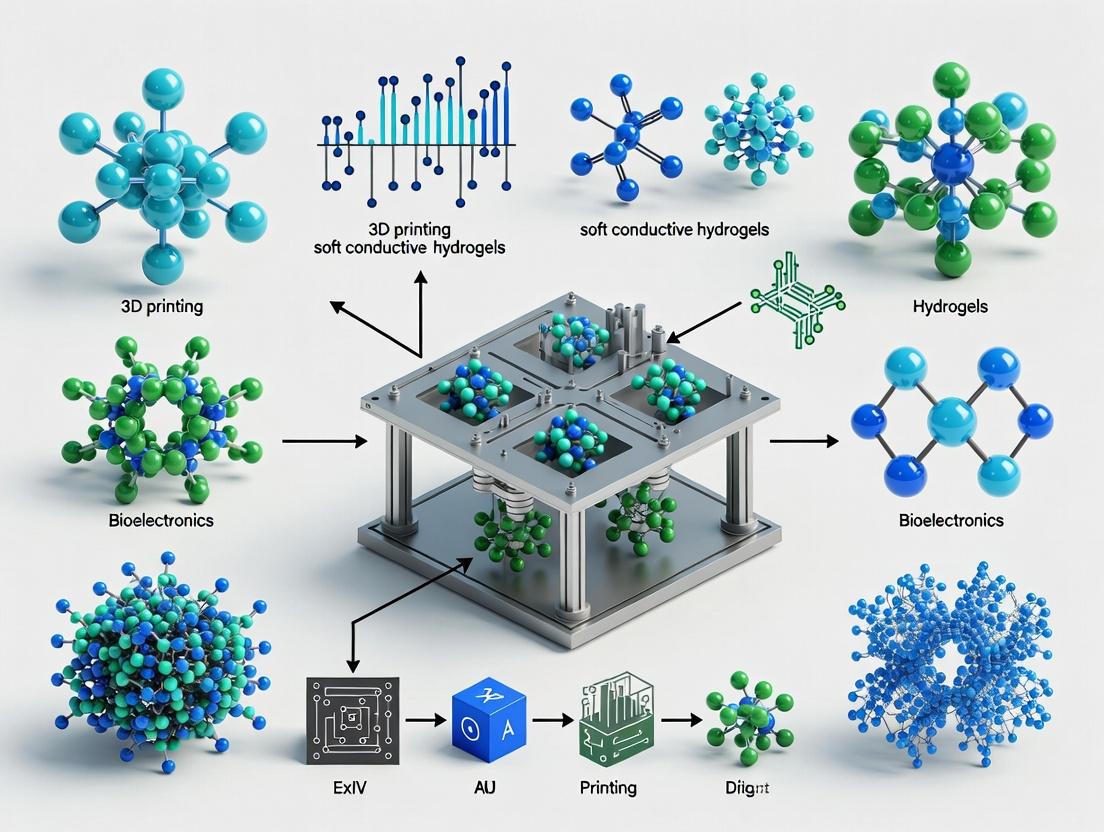
3D Printing of Soft Conductive Hydrogels: From Biomaterial Synthesis to Advanced Biomedical Applications
This article provides a comprehensive analysis of 3D-printed soft conductive hydrogels for research and drug development.
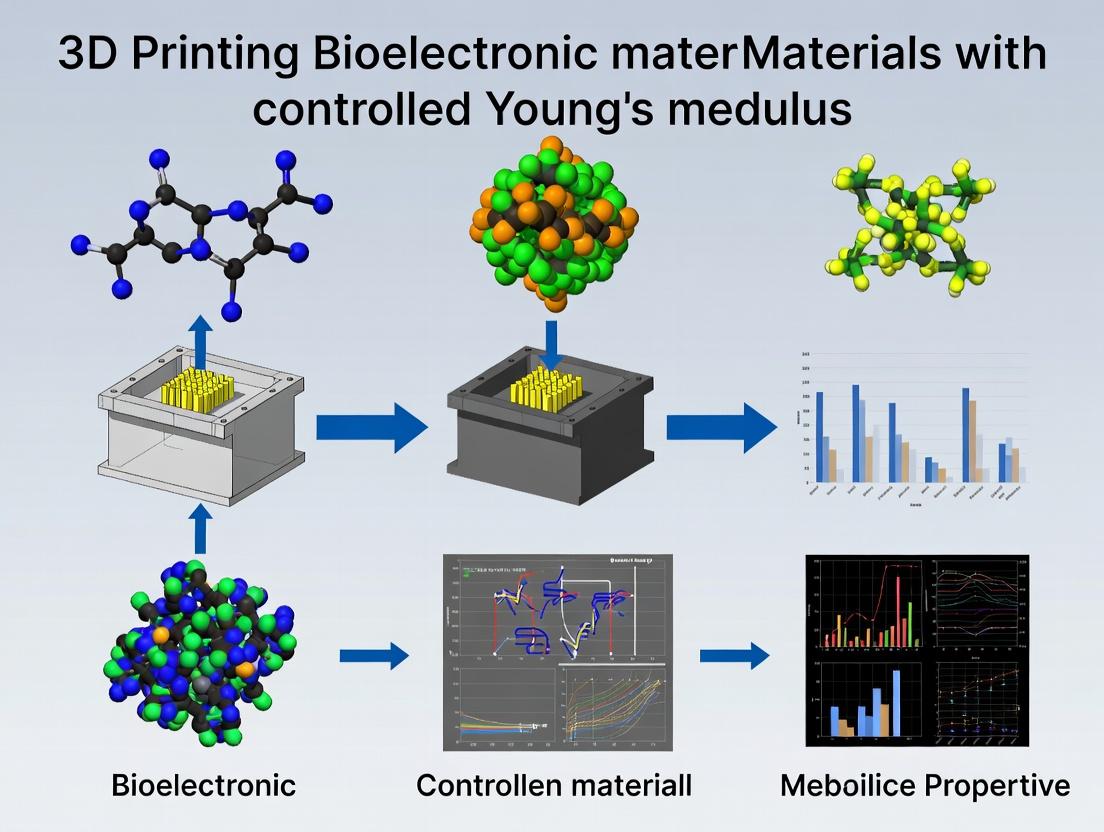
Precision Bioelectronics: 3D Printing Materials with Tunable Stiffness for Next-Generation Implants and Drug Delivery
This article explores the frontier of 3D-printed bioelectronics, focusing on the critical role of controlled Young's modulus in device performance.
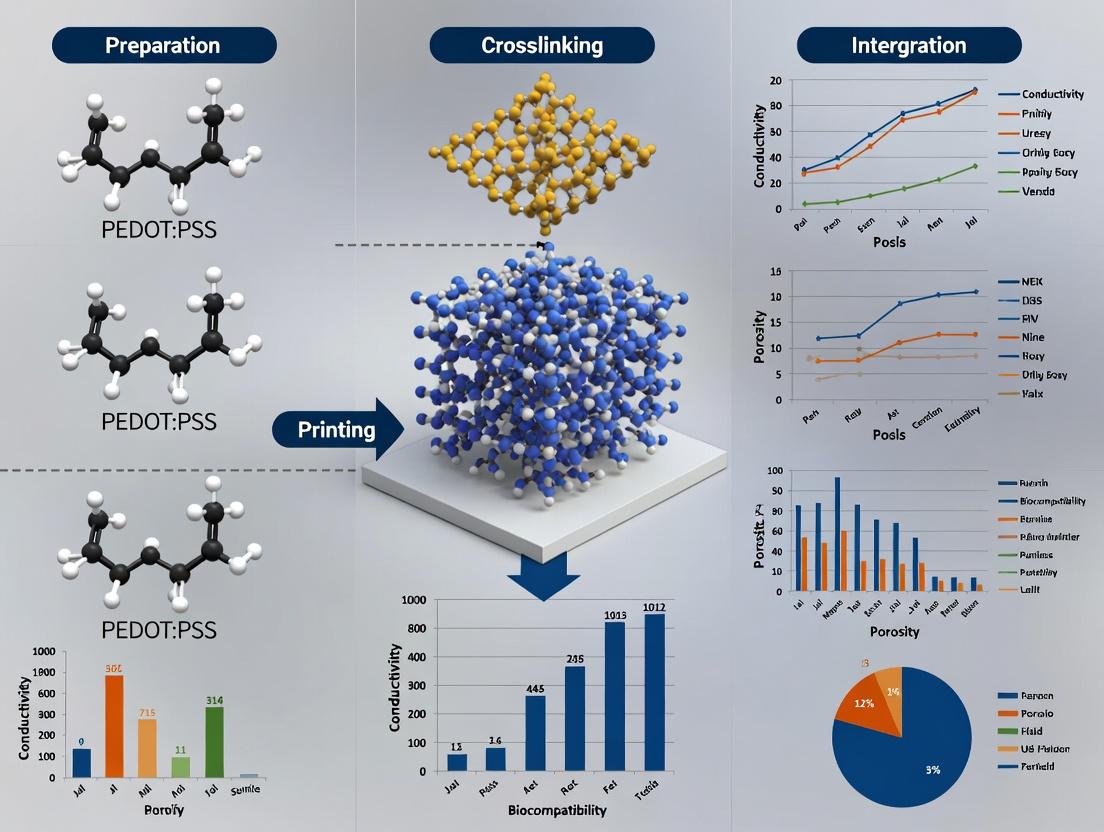
3D-Printed PEDOT:PSS Hydrogels: Fabrication, Optimization, and Bioelectronic Applications for Next-Generation Interfaces
This comprehensive review explores the frontier of 3D-printed bioelectronic interfaces using PEDOT:PSS hydrogels.
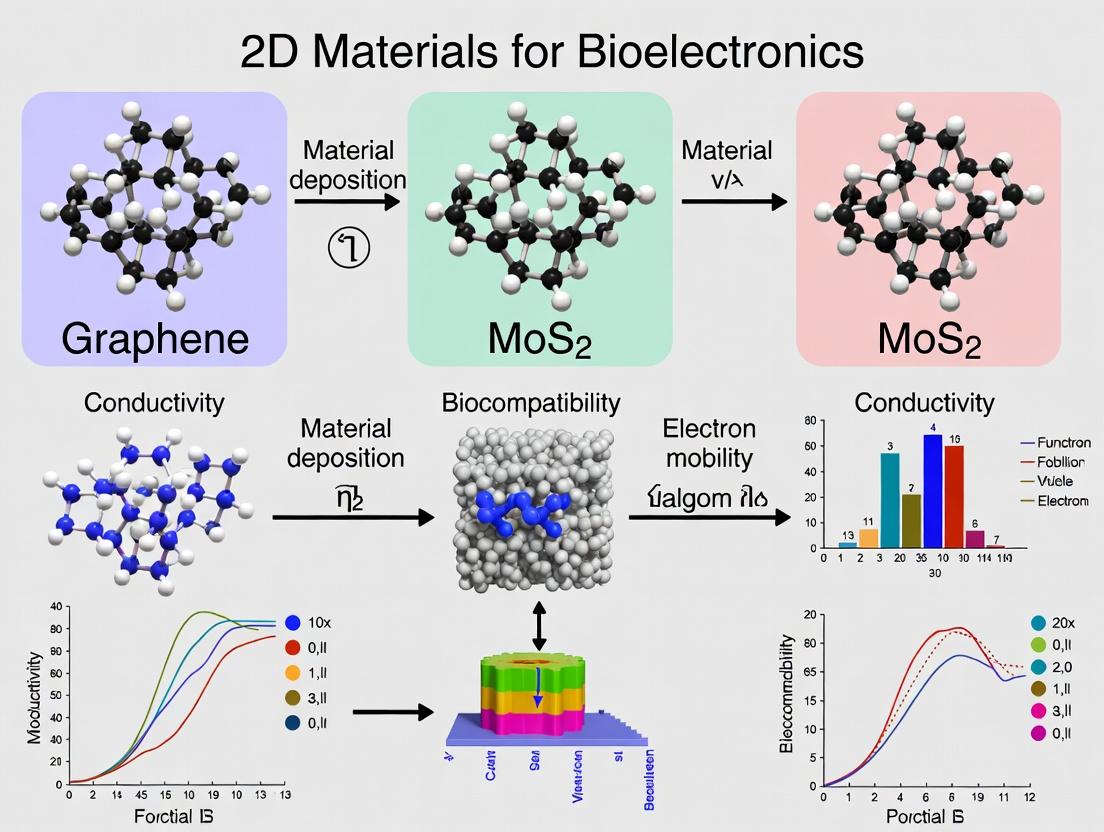
Beyond Silicon: How 2D Materials Like Graphene and MoS2 Are Revolutionizing Bioelectronics
This article provides a comprehensive analysis of the emerging role of 2D materials, specifically graphene and molybdenum disulfide (MoS2), in next-generation bioelectronic devices.
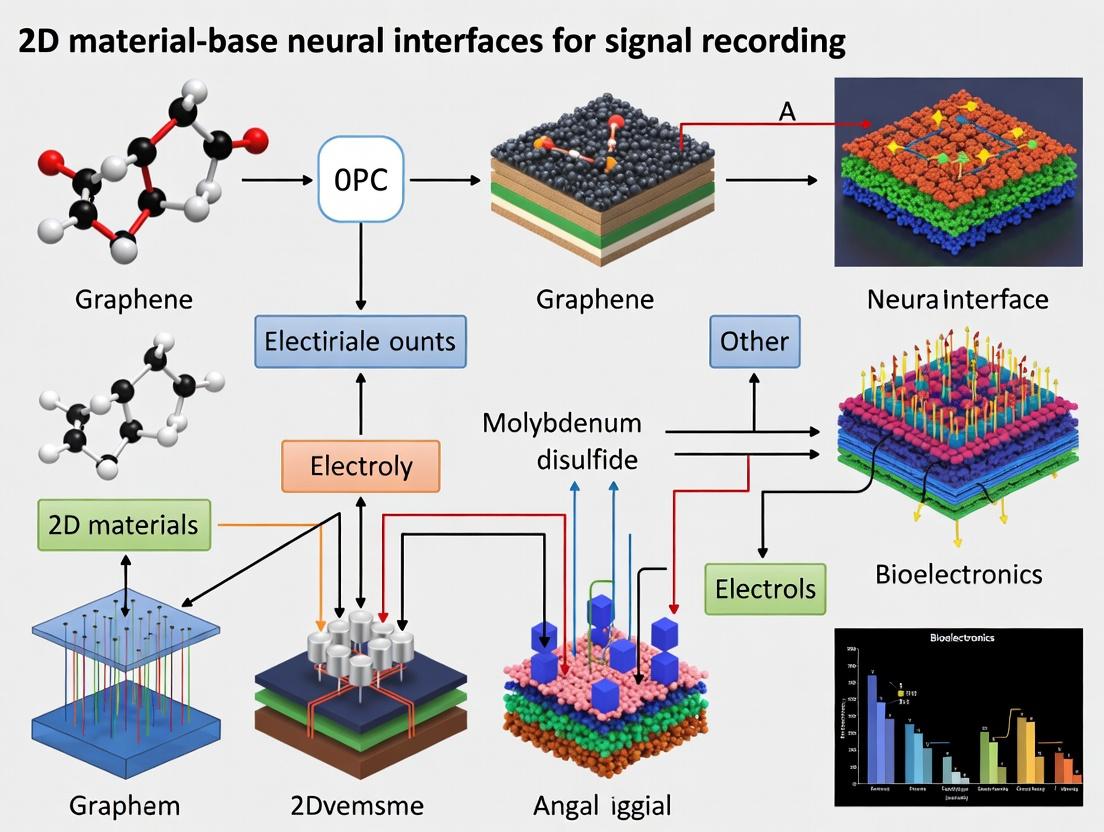
Graphene and Beyond: How 2D Materials Are Revolutionizing Neural Signal Recording Interfaces
This article provides a comprehensive analysis of 2D material-based neural interfaces for electrophysiological recording, targeting researchers and biomedical professionals.
Bridging the Gap: Advanced Solutions to Mechanical Mismatch in Bioelectronics for Next-Generation Neural Interfaces
The mechanical mismatch between conventional rigid bioelectronic devices and soft, dynamic biological tissues is a fundamental challenge that limits the long-term efficacy and stability of neural interfaces.
Ensuring Long-Term Reliability in Implantable Bioelectronics: Materials, Challenges, and Future Directions
This article provides a comprehensive analysis of the critical factors influencing the long-term reliability and stability of implantable bioelectronic devices.
Young's Modulus in Bioelectronics: Engineering Soft Materials for Seamless Tissue Integration and Advanced Therapies
This article provides a comprehensive analysis of Young's modulus as a critical design parameter in bioelectronic materials.
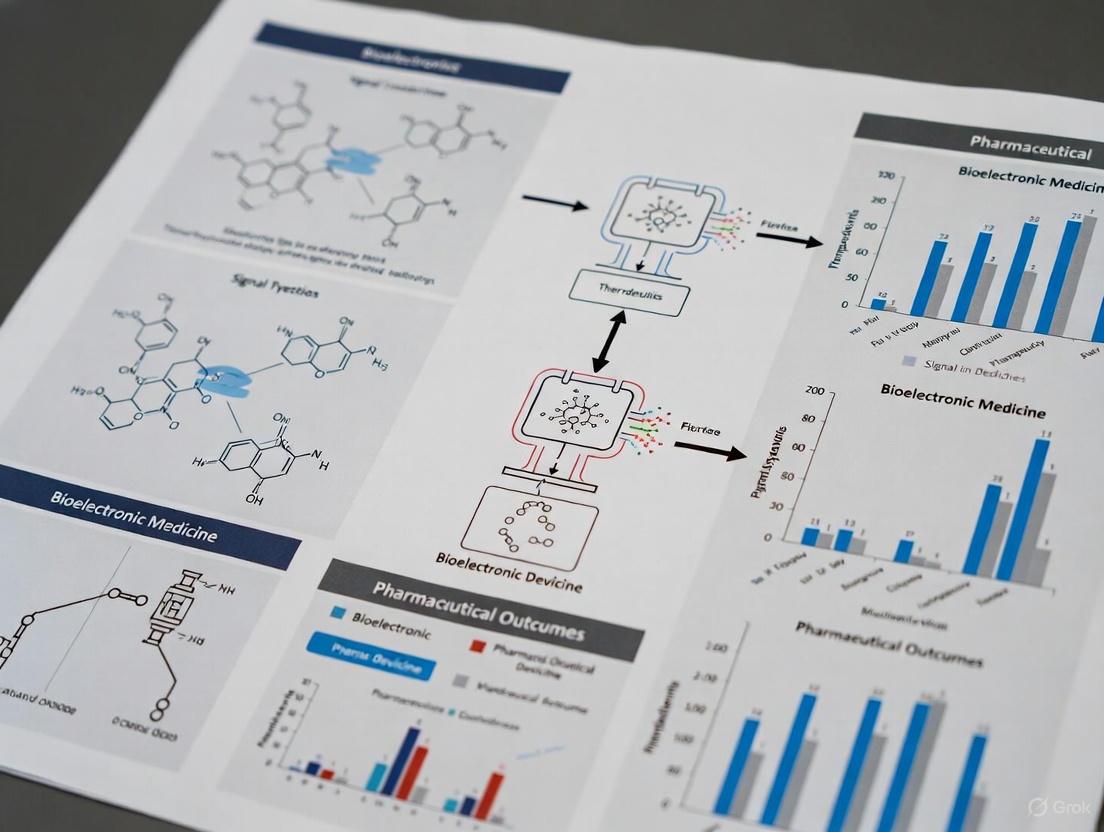
Bioelectronic Medicine vs. Pharmaceutical Outcomes: A Comparative Analysis for the Future of Therapeutics
This article provides a comprehensive comparison for researchers and drug development professionals on the evolving paradigms of bioelectronic medicine and traditional pharmaceuticals.
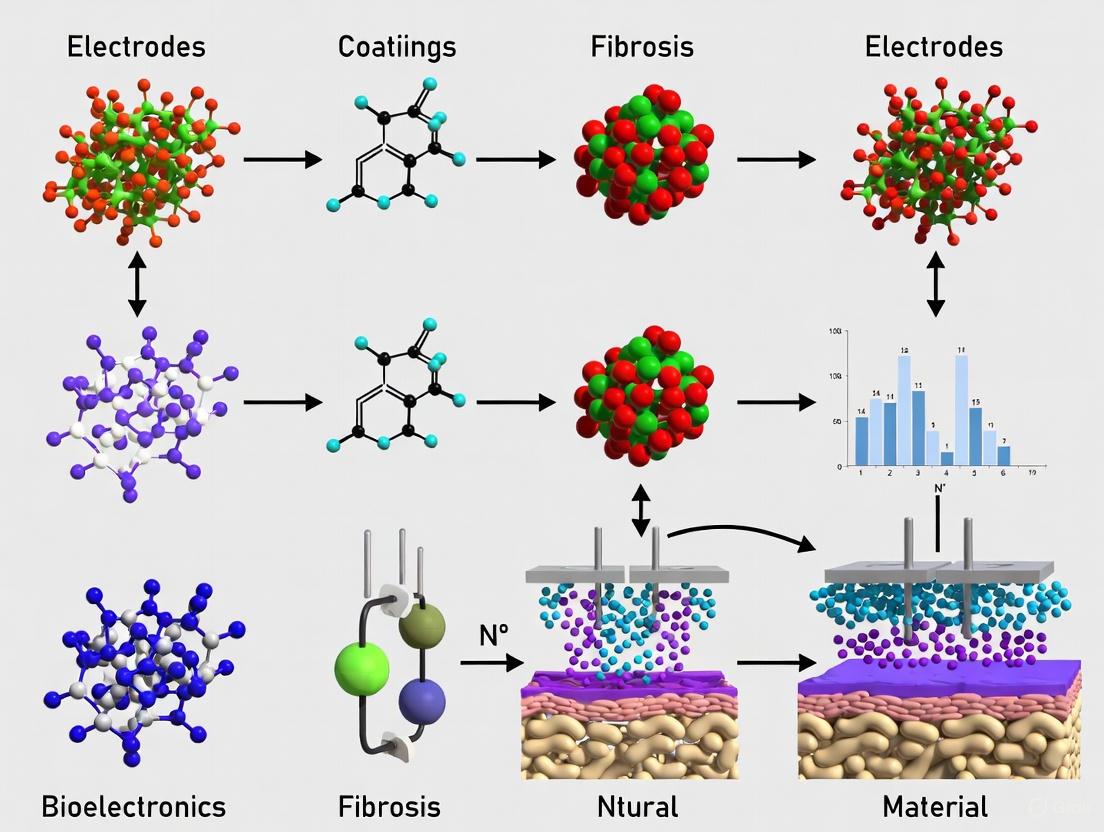
Strategies to Mitigate Fibrosis and Enhance Longevity in Neural Electrode Interfaces
The long-term performance of implantable neural electrodes is critically limited by the foreign body reaction (FBR), a complex immune response that culminates in fibrotic tissue encapsulation.