Research Articles
Beyond Static Stiffness: Advanced Methods for Measuring Living Tissue Elasticity Under Physiological Prestress
This article provides a comprehensive guide for biomedical researchers on the critical challenge of prestress in living tissue elasticity measurements.
Powering the Future of Medicine: Overcoming Critical Energy Challenges in Bioelectronic Implants
This article provides a comprehensive analysis of the power management challenges hindering the advancement of bioelectronic implants.
Non-Invasive VNS Adherence Challenges: Strategies, Metrics, and Future Directions for Biomedical Research
Patient compliance remains a critical barrier to realizing the full therapeutic potential of non-invasive vagus nerve stimulation (nVNS).
The Invisible Challenge: Mitigating Micromotion-Induced Inflammation in Next-Generation Bioelectronic Implants
This article provides a comprehensive analysis of the critical issue of micromotion-induced inflammation at the bioelectronic interface.
Bridging the Gap: Advanced Strategies to Overcome Mechanical Mismatch in Tissue-Electrode Interfaces
This comprehensive review addresses the critical challenge of mechanical mismatch at the tissue-electrode interface, a primary obstacle to stable long-term performance of neural, cardiac, and muscular implants.
Bridging the Mechanical Divide: Advanced Strategies for Overcoming Mismatch at Neural Tissue Interfaces
This article provides a comprehensive exploration of the critical challenge of mechanical mismatch at neural interfaces, which is a major impediment to the long-term stability and function of neural implants,...
Strategies and Solutions: Overcoming Mechanical Fatigue in Next-Generation Stretchable Bioelectronics
This article provides a comprehensive analysis of mechanical fatigue in stretchable bioelectronics, a critical challenge limiting long-term device reliability.
Conquering Mechanical Fatigue in Flexible Encapsulation: A Comprehensive Guide for Biomedical Researchers and Drug Development
Flexible encapsulation is critical for implantable medical devices, drug delivery systems, and bioelectronics, but mechanical fatigue threatens their long-term reliability.
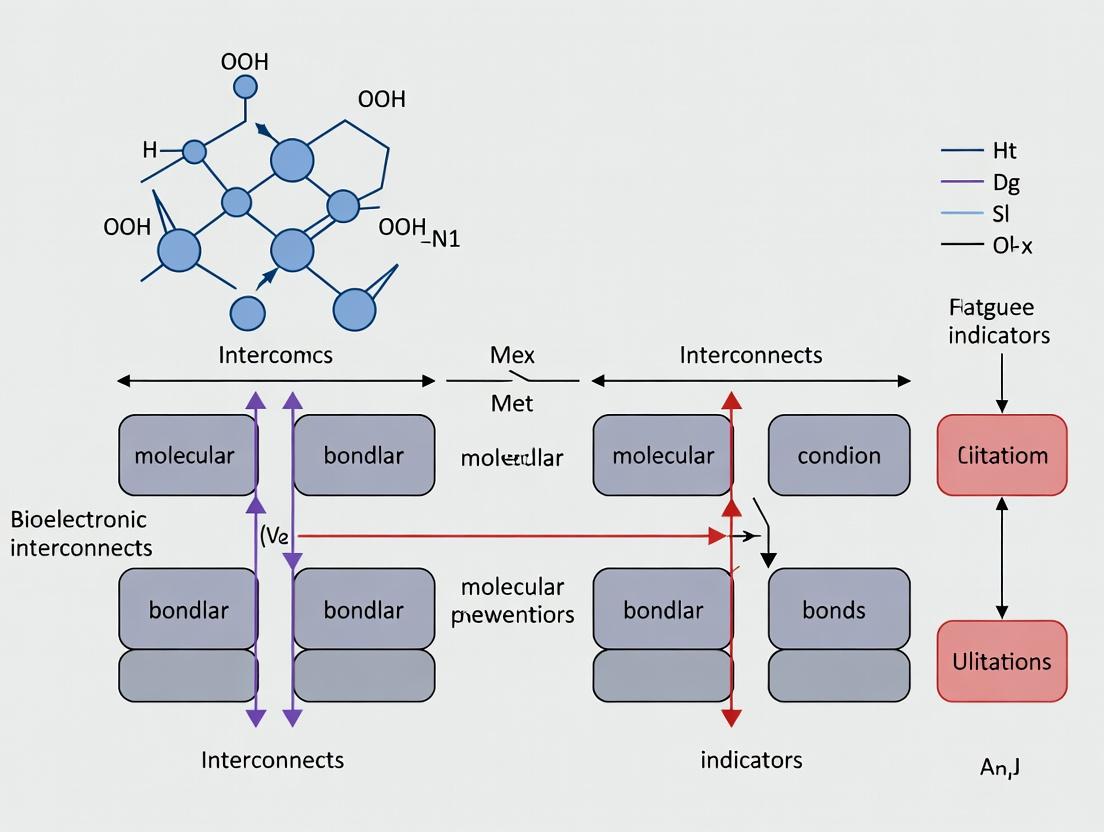
Conquering Mechanical Fatigue at Bioelectronic Interfaces: Strategies for Long-Term Reliability in Biomedical Devices
This article provides a comprehensive analysis of mechanical fatigue in bioelectronic interconnects, a critical failure mode impacting device longevity.
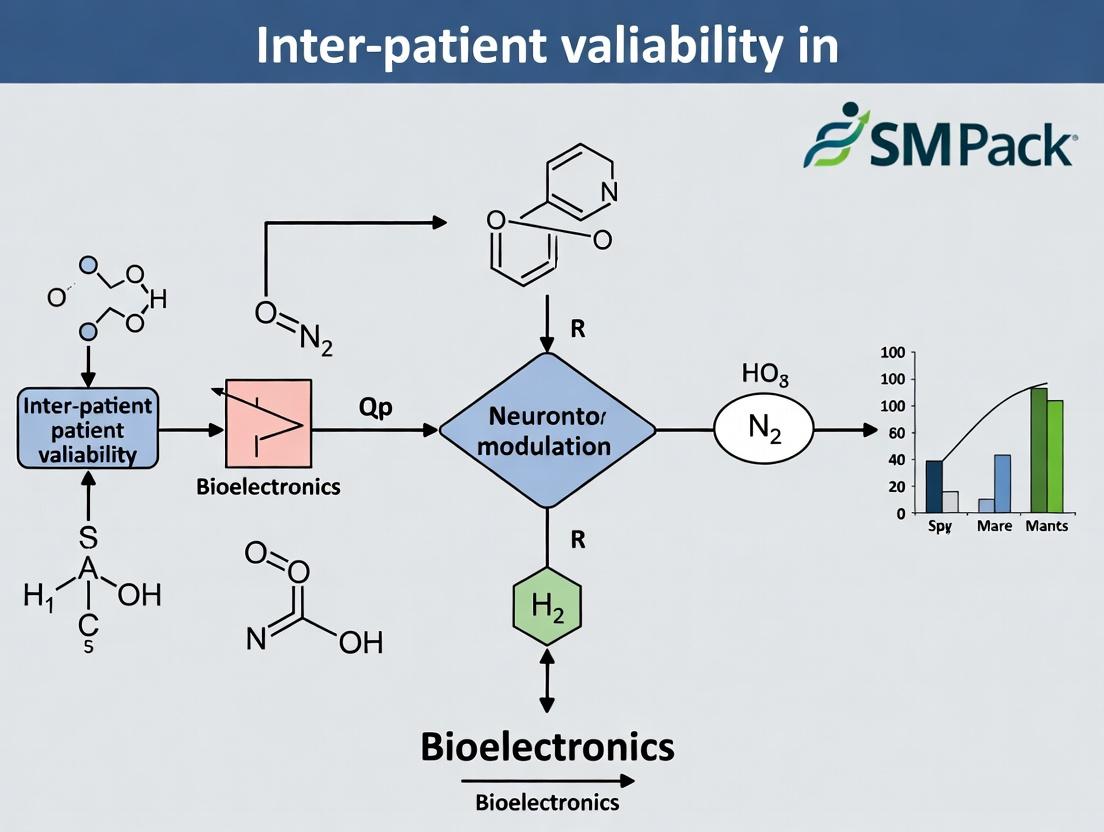
Beyond One-Size-Fits-All: A Research Framework for Tackling Inter-Patient Variability in Neuromodulation Therapy
This article provides a comprehensive framework for researchers and drug development professionals to address the critical challenge of inter-patient variability in neuromodulation.